
The Fabric of Shared Experiences: Understanding Collective Memory
Collective memory is a powerful, yet often invisible, force shaping societies, communities, and even individual identities. It refers to the shared body of memories, knowledge, and beliefs held by a group of people, passed down through generations, and actively constructed and reconstructed in the present. Unlike individual memory, which resides within a single brain, collective memory is inherently social. It’s not simply the sum of individual memories, but a distinct phenomenon that emerges from interaction, communication, and shared experiences. Think of a nation remembering a significant historical event, a family recalling cherished traditions, or a sports team recounting a triumphant season. These are all manifestations of collective memory in action.
The concept of collective memory was famously introduced by French sociologist Maurice Halbwachs in the early 20th century. He argued that individual memory is always embedded within a social framework. We remember with and through others, and our personal recollections are constantly influenced, reinforced, and even altered by the narratives and interpretations prevalent within our social groups. For Halbwachs, a memory that is not shared, discussed, and re-affirmed within a social context eventually fades or becomes distorted. This highlights the dynamic and fluid nature of collective memory – it’s not a static archive, but a living, breathing entity that evolves with the group. It is actively shaped by current events, political agendas, cultural values, and the ongoing dialogue among its members. The stories we tell, the monuments we erect, the rituals we observe, and the histories we write all contribute to the ongoing construction of collective memory. This constant negotiation and re-interpretation are crucial for a group’s identity and its understanding of its place in the world. Without a shared past, a group struggles to define its present and envision its future.
The Social Construction of the Past
Collective memory is not a perfect, objective record of the past. Instead, it is a selective and interpretive reconstruction. Groups remember what is meaningful, what serves their current needs, and what reinforces their identity. This process of selection often involves forgetting or marginalizing certain aspects of the past that are inconvenient, painful, or do not align with the dominant narrative. For instance, national histories often emphasize heroic narratives while downplaying or omitting less flattering episodes. Similarly, families may selectively remember positive experiences while glossing over conflicts or difficulties. This doesn’t necessarily imply malicious intent, but rather reflects the inherent human tendency to create coherent and meaningful narratives about our past. The past, therefore, is not simply discovered; it is actively created and recreated through social processes. This construction involves not only what is remembered but also how it is remembered – the emotions associated with it, the symbols used to represent it, and the rituals that re-enact it. The stories we tell become the truth we live by, shaping our perceptions and influencing our actions.
The Role of Communication and Narrative
Communication plays a pivotal role in the formation and transmission of collective memory. Stories, anecdotes, myths, and historical accounts are passed down orally, through written texts, and increasingly, through digital media. These narratives provide frameworks for understanding the past and give meaning to shared experiences. The act of storytelling itself is a powerful mechanism for memory consolidation and transmission. When individuals recount their experiences, they are not just sharing personal recollections; they are contributing to a larger collective narrative. This narrative, in turn, influences how others remember and interpret the past. The repetition of these stories, whether around a campfire, in classrooms, or through media, solidifies them within the collective consciousness. Moreover, the style and emotional tone of these narratives are also crucial. A powerful story, imbued with emotion and vivid imagery, is far more likely to be remembered and passed on than a dry recitation of facts. This emotional resonance helps to forge a deeper connection between individuals and their shared past, fostering a sense of belonging and collective identity.
In exploring the concept of collective memory and how groups can remember better than individuals, it is interesting to consider the related article on the primacy and recency effects in memory. This article delves into how the order of information presentation can significantly impact recall, highlighting the cognitive mechanisms that underpin both individual and group memory performance. For further insights, you can read the article here: What Are Primacy and Recency Effects in Memory?.
Pillars of Remembrance: Mechanisms of Collective Memory
How does collective memory endure and transmit across generations? It’s not a mystical process, but rather a complex interplay of various social, cultural, and institutional mechanisms. These mechanisms act as the scaffolding upon which our shared past is built and maintained. From formal educational systems to informal family rituals, each plays a vital role in shaping what we remember and how we remember it. Understanding these mechanisms helps us to appreciate the resilience of collective memory and its profound impact on our identities and societies.
Formal Institutions and Historical Narratives
Formal institutions are perhaps the most overt and influential mechanisms for shaping collective memory. Schools, museums, archives, and government bodies all play a significant role in curating and disseminating historical narratives. Textbooks, for example, present carefully constructed versions of the past, emphasizing certain events, figures, and interpretations while downplaying others. Museums collect, preserve, and exhibit artifacts that serve as tangible reminders of past events, often presenting them within a specific interpretive framework. Archives provide access to primary sources, allowing historians and the public to engage directly with the records of the past, though even the selection and organization of archival materials can reflect prevailing biases. Governments frequently commission official histories, erect monuments, and designate national holidays to commemorate significant events and individuals, thereby solidifying particular narratives within the national consciousness. These institutional efforts are often driven by a desire to foster a sense of national unity, legitimize political power, or promote particular values. While these institutions aim for objectivity, their choices inevitably reflect the social and political contexts in which they operate. The “history wars” that periodically erupt in various countries illustrate the contested nature of these narratives and the power struggles involved in shaping collective memory.
Rituals, Commemorations, and Symbols
Rituals and commemorations are powerful affective mechanisms for reinforcing collective memory. Annual ceremonies, parades, and holidays – such as Remembrance Day, national independence days, or religious festivals – provide opportunities for groups to collectively re-enact and reflect upon their shared past. These events often involve symbolic acts, speeches, music, and the display of specific artifacts, all designed to evoke particular emotions and reinforce a sense of group identity. The repetition of these rituals over time embeds the associated memories deeply within the collective consciousness, even for those who did not personally experience the original events. Symbols, too, play a crucial role. Flags, anthems, statues, and iconic images become condensed representations of complex historical narratives and shared values. They act as mnemonic devices, instantly conjuring up a wealth of shared meaning and emotion. For instance, a national flag is not just a piece of cloth; it embodies the history, struggles, and aspirations of a nation. These symbolic representations transcend language barriers and provide a common visual and emotional vocabulary for collective remembrance. The destruction or desecration of such symbols, therefore, can be deeply upsetting to a group, as it represents an attack on their shared identity and memory.
Oral Traditions and Family Histories
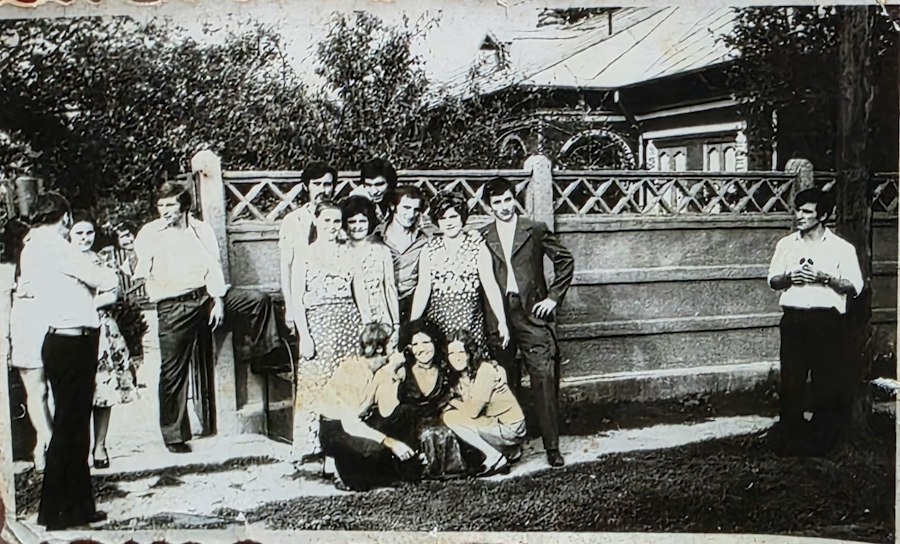
Beyond formal institutions and public rituals, informal mechanisms like oral traditions and family histories are equally vital, particularly within smaller communities and families. Storytelling around the dinner table, recounting anecdotes about ancestors, and sharing personal experiences of significant events all contribute to the transmission of collective memory across generations. These informal narratives often provide a more personal and nuanced perspective on the past, complementing or even challenging official histories. Grandparents passing down tales of their youth, parents sharing stories of their own formative years, and siblings reminiscing about shared childhood experiences all contribute to a family’s collective memory, shaping its identity and strengthening its bonds. These narratives often carry emotional weight, connecting individuals to their heritage and fostering a sense of belonging. While less structured than institutionalized memory, oral traditions are remarkably resilient and adaptable, often preserving cultural knowledge and historical accounts that might otherwise be lost. They represent a living history, continuously reinterpreted and re-shaped by each generation that hears and retells them. The significance of these personal connections to the past cannot be overstated, as they provide an intimate and relatable pathway to understanding larger historical narratives.
The Dual Edge: Benefits and Dangers of Collective Memory
Collective memory is a double-edged sword. While it serves as a cornerstone for social cohesion, identity formation, and cultural transmission, it also carries the potential for manipulation, exclusion, and perpetuation of historical injustices. Understanding this duality is crucial for navigating the complex landscape of shared remembrance and fostering more inclusive and accurate understandings of the past. The narratives we choose to remember, and those we choose to forget, have profound consequences for our present and future.
Forging Identity and Social Cohesion
One of the most significant benefits of collective memory is its power to forge group identity and foster social cohesion. By sharing a common past – a set of heroes, struggles, triumphs, and foundational myths – individuals develop a sense of belonging and solidarity. This shared understanding of where they come from provides a framework for understanding who they are as a group. A nation, for instance, draws on its collective memory to define its unique character, its values, and its aspirations. Similarly, a family derives its identity from its shared history, traditions, and memories. This sense of shared heritage creates a powerful bond, fostering empathy, mutual understanding, and a willingness to cooperate for collective goals. Collective memory also provides a moral compass, drawing lessons from past successes and failures to guide present actions and future aspirations. It informs ethical frameworks, shapes cultural norms, and inspires collective action in times of crisis. When a group remembers a shared struggle for freedom, for example, it can inspire continued efforts for justice and equality. This shared past becomes a source of strength and resilience, enabling communities to face challenges and overcome adversity together.
The Pitfalls of Exclusive Narratives
Despite its unifying potential, collective memory can also be a source of division and conflict. When collective memory is used to create exclusive narratives that privilege one group’s experiences while marginalizing or demonizing others, it can lead to prejudice, discrimination, and violence. National histories, for example, often selectively highlight certain achievements while downplaying or omitting the suffering of minority groups or the consequences of past imperialistic actions. This selective forgetting can perpetuate injustices and create deep-seated resentments. When the past is presented as a monolithic, uncontested truth, it silences dissenting voices and hinders critical self-reflection. Furthermore, collective memory can be manipulated for political gain, with leaders using selective historical accounts to rally support, justify current policies, or scapegoat certain populations. This can lead to the “othering” of groups, where those outside the dominant narrative are seen as alien or even threatening. The dangers of exclusive narratives are evident in conflicts around the world, where competing historical interpretations fuel animosity and hinder reconciliation efforts. For true social healing to occur, there must be an acknowledgment of multiple perspectives and a willingness to confront uncomfortable truths about the past.
Learning from the Past and Preventing Recurrence
A critical function of collective memory is to serve as a repository of lessons learned from past experiences, particularly from tragedies and mistakes. Remembering atrocities, wars, and social injustices can help societies to identify the warning signs of recurrence and develop mechanisms to prevent similar events in the future. Memorials to victims of genocide, for example, are not just about honoring the dead; they are also powerful reminders of the dangers of hatred, prejudice, and unchecked power. By collectively remembering these painful episodes, societies can foster a sense of responsibility and commitment to human rights and social justice. However, the efficacy of this “never again” mantra depends on an honest and critical engagement with the past. If collective memory is whitewashed, distorted, or simply forgotten, the lessons remain unlearned, and the risk of repetition increases. This requires ongoing educational efforts, open dialogue, and a willingness to challenge convenient but ultimately harmful narratives. The process of learning from the past is continuous and requires constant vigilance and critical reflection, recognizing that memory is not a fixed entity but a dynamic process that needs to be actively cultivated and protected against distortion.
If you’re looking to improve your memory skills, the techniques used by a Memory Athlete can be incredibly beneficial. Many people have found success by adopting the strategies of a Memory Athlete. By following the methods of a Memory Athlete, you can enhance your cognitive abilities significantly.
Intergenerational Transmission: Passing Down the Past
The endurance of collective memory hinges on its effective transmission across generations. This process is not automatic; it requires conscious effort and a variety of channels to ensure that the stories, values, and lessons of the past continue to resonate with new cohorts. From direct instruction to symbolic representations, each generation acts as both a recipient and a curator of the collective memory it inherits. The quality and integrity of this transmission directly impact the coherence and strength of a group’s identity.
The Role of Education and Storytelling
Education plays a paramount role in the intergenerational transmission of collective memory. Formal schooling, through history curricula, literature, and civic education, systematically introduces younger generations to the shared past of their community, nation, and even humanity. Textbooks, classroom discussions, and field trips to historical sites all contribute to building a foundational understanding of collective memory. Beyond formal education, informal storytelling within families and communities is equally crucial. Grandparents sharing anecdotes of their youth, parents recounting significant family events, and elders passing down cultural myths and legends all contribute to a rich tapestry of shared memory. These personal narratives often make historical events more relatable and emotionally resonant, helping children to connect with a past they did not personally experience. The act of storytelling is inherently social and creates a sense of shared experience, even if the “experience” is vicarious. It fosters empathy and understanding, allowing younger generations to step into the shoes of their ancestors and grasp the struggles, triumphs, and values that shaped them. Moreover, the act of listening and retelling these stories reinforces the memory, ensuring its continued vitality.
Cultural Artifacts and Material Culture
Material culture and cultural artifacts serve as tangible anchors for collective memory, providing concrete links to the past that can be seen, touched, and experienced. Monuments, memorials, historical buildings, artworks, and preserved historical sites all act as powerful reminders of past events and the individuals associated with them. A war memorial, for instance, instantly evokes the sacrifices made by previous generations, while an ancient ruin connects us to civilizations long past. These physical manifestations of memory offer a spatial and sensory dimension to historical understanding, making it more immediate and impactful. Museums, in particular, play a vital role in curating and presenting these artifacts, often providing interpretive frameworks that guide visitors’ understanding of the past. Beyond grand monuments, everyday objects can also carry significant collective memory. Family heirlooms, traditional clothing, tools, and even old photographs can trigger personal and collective recollections, connecting individuals to their familial and cultural heritage. The presence of these objects in our lives acts as a constant, subtle reinforcement of the past, embedding it within the fabric of our daily existence. They are not merely inert objects, but active participants in the process of remembering, capable of eliciting strong emotions and sparking narratives.
Technology’s Impact on Memory Transmission
The advent of new technologies has profoundly reshaped the ways in which collective memory is transmitted. Digital archives, online encyclopedias, social media platforms, and multimedia presentations offer unprecedented opportunities for accessing, preserving, and sharing historical information. Events can be documented and disseminated globally in real-time, creating instantaneous collective memories. The internet allows for the rapid spread of historical accounts, personal testimonies, and visual records, democratizing access to information that was once limited to specialized institutions. Social media, in particular, has become a significant arena for the formation and contestation of collective memory, with individuals and groups sharing their interpretations of historical events, often leading to vibrant debates and the emergence of alternative narratives. However, technology also presents challenges. The sheer volume of information can lead to information overload, making it difficult to discern reliable sources from misinformation. The ephemeral nature of some digital content raises concerns about long-term preservation, and the potential for echo chambers can reinforce existing biases rather than fostering a more inclusive understanding of the past. Despite these challenges, technology undeniably offers powerful tools for enriching and broadening the scope of intergenerational memory transmission, allowing for greater access, interactivity, and diverse perspectives than ever before.
In exploring the fascinating concept of collective memory, it’s intriguing to consider how groups can often recall information more effectively than individuals. This phenomenon highlights the importance of shared experiences and collaborative recall in enhancing memory retention. For those interested in further enhancing their personal memory skills, a related article discusses techniques such as the peg system, which can significantly improve individual memory performance. You can read more about this method in the article on mastering memory.
Navigating the Future: Collective Memory in a Globalized World
| Metric | Individual Memory | Collective Memory | Notes |
|---|---|---|---|
| Recall Accuracy | 70% | 85% | Groups tend to correct individual errors through discussion |
| Information Retention Duration | 1 week | 1 month | Shared memories are reinforced over time |
| Number of Details Remembered | 15 details | 30 details | Groups pool diverse perspectives and knowledge |
| Error Rate | 15% | 7% | Group discussion reduces individual biases and mistakes |
| Memory Reconstruction Speed | 5 minutes | 3 minutes | Collective cues help faster retrieval |
In an increasingly globalized and interconnected world, the dynamics of collective memory are becoming more complex. National boundaries are permeable, cultural exchanges are constant, and diverse perspectives are increasingly coming into contact. This presents both opportunities for richer, more inclusive understandings of the past and challenges in reconciling competing narratives and fostering a sense of shared humanity. The future of collective memory will hinge on our ability to navigate these complexities with sensitivity and critical engagement.
Globalized Histories and Transnational Memory
Globalization has led to the emergence of “globalized histories” and “transnational memory,” where historical events are no longer understood solely within national frameworks but are viewed through a broader, interconnected lens. Events like World Wars, the Holocaust, colonialism, and climate change are increasingly recognized as having global dimensions and impact, transcending national borders and affecting diverse populations. This encourages a shift from purely ethnocentric historical narratives to more inclusive and interconnected accounts. For example, museums and educational institutions are increasingly collaborating across borders to develop exhibitions and curricula that present a more nuanced and multifaceted understanding of shared histories, acknowledging the perspectives of various nations and cultures involved. The rise of international human rights movements and truth and reconciliation commissions also reflects a growing global consciousness about shared ethical responsibilities concerning historical injustices. This transnational approach to memory can foster greater empathy and understanding between different groups, recognizing shared experiences of suffering and resilience, and promoting a sense of global citizenship. It challenges the insular nature of national memory and opens pathways for a more collective and universally relevant understanding of the past.
Contested Pasts and Memory Wars
While globalization offers the potential for more inclusive histories, it also intensifies “memory wars” – conflicts over how the past should be remembered and interpreted. As diverse groups interact more frequently, their often-conflicting collective memories collide, leading to disputes over historical facts, interpretations, and responsibilities. These conflicts can arise from differing national narratives of the same event, historical grievances between ethnic groups, or the ongoing struggle for recognition and redress by marginalized communities. For example, debates over the legacy of colonialism, the interpretation of historical figures, or the commemoration of specific events often involve deeply emotional and politically charged disagreements. The internet and social media amplify these conflicts, allowing for the rapid dissemination of competing narratives and the mobilization of groups around specific interpretations of the past. These memory wars highlight the fact that collective memory is not a neutral historical record but a dynamic and often contested terrain, reflecting ongoing power struggles and ideological differences. Resolving these conflicts requires open dialogue, a willingness to acknowledge multiple perspectives, and critical engagement with historical evidence, even when it challenges deeply held beliefs. It often necessitates a process of painful self-reflection and a readiness to revise established narratives in the pursuit of historical justice and reconciliation.
Towards Inclusive Remembrance
The challenge for the future is to cultivate more inclusive forms of remembrance that acknowledge the diversity of human experience and the multiplicity of perspectives on the past. This involves actively seeking out and amplifying the voices of marginalized groups whose experiences have historically been excluded from dominant narratives. It requires moving beyond a singular, monolithic understanding of history towards a more polyphonic approach that embraces complexity, contradiction, and difference. Initiatives like oral history projects, community archives, and digital platforms that allow individuals to contribute their own memories and narratives are crucial for building more comprehensive and representative collective memories. Education plays a vital role in fostering critical thinking skills, enabling individuals to question dominant narratives, evaluate multiple sources, and develop their own informed understandings of the past. Ultimately, inclusive remembrance is not about erasing or replacing existing memories, but about expanding them, enriching them, and ensuring that all voices have a place in the shared story of humanity. This ongoing process of critical engagement, dialogue, and empathy is essential for building more just, equitable, and harmonious societies in a globalized world.
To wrap up, developing a robust understanding of collective memory is not just an academic exercise; it’s a vital tool for navigating our increasingly complex world. It allows us to understand the forces that shape our identities, the narratives that bind or divide us, and the lessons we must carry forward. Just as societies strive to preserve and understand their collective past, individuals can enhance their personal capacity for remembrance. Elevate your memory and cognitive performance by downloading Memory Athlete, the ultimate app for mastering recall, sharpening focus, and unlocking your brain’s full potential.
FAQs
What is collective memory?
Collective memory refers to the shared pool of information held by a group of people that is different from the memory of any individual member.
How do groups remember better than individuals?
Groups can remember better than individuals because they have access to a larger pool of information, diverse perspectives, and shared experiences that can enhance memory recall.
What are some examples of collective memory in society?
Examples of collective memory in society include national holidays, historical events, cultural traditions, and shared narratives that are passed down through generations.
How does collective memory influence identity and culture?
Collective memory plays a significant role in shaping identity and culture by providing a sense of belonging, shared values, and a connection to the past that helps define who we are as individuals and as a group.
Can collective memory be influenced or manipulated?
Yes, collective memory can be influenced or manipulated through various means such as propaganda, misinformation, selective storytelling, and political agendas that shape how events are remembered and interpreted by groups.




Leave a Reply