
The Rise of Digital Recall
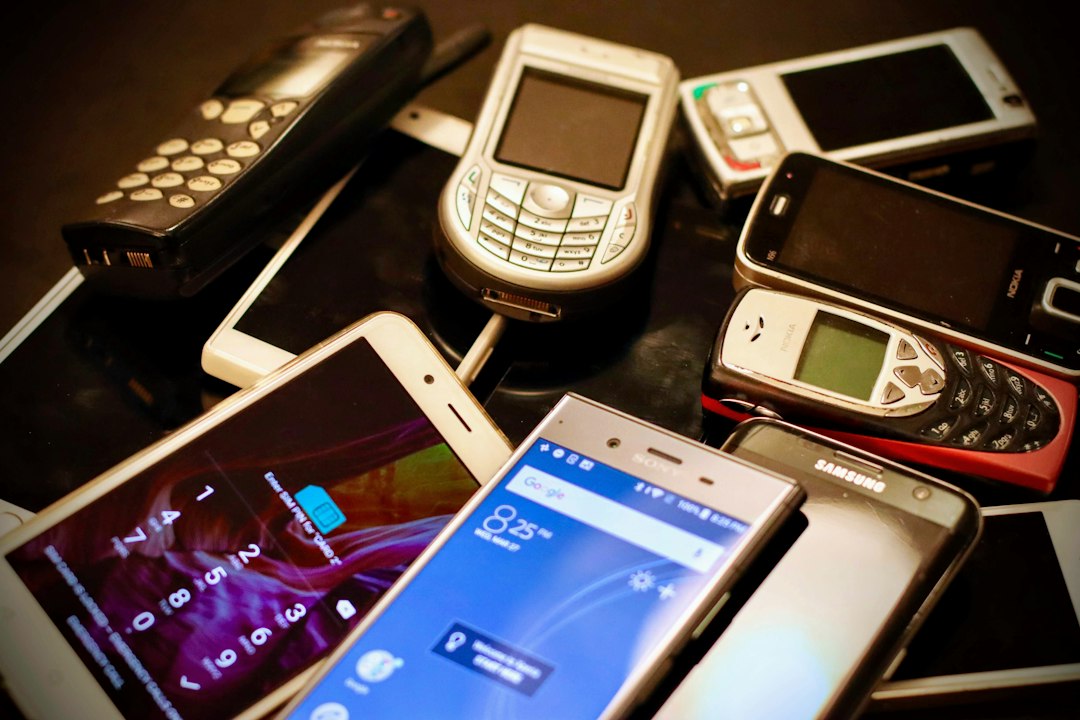
In an increasingly connected world, our smartphones have become extensions of ourselves. From managing our schedules to navigating unfamiliar streets, these ubiquitous devices have seamlessly integrated into nearly every facet of modern life. One of the most significant shifts they’ve ushered in is the tendency to “offload” information – essentially, entrusting our digital companions with the burden of remembering. This practice, often subconscious, involves storing everything from phone numbers and grocery lists to complex project details and sentimental memories within the digital confines of our devices. The sheer convenience is undeniable: why tax our brains with rote memorization when a quick tap or voice command can retrieve the exact information we need, precisely when we need it? This phenomenon isn’t limited to simple facts; it extends to photographic memories, recording significant life events, and even acting as a personal assistant for intricate tasks.
This digital recall mechanism has profound implications for how we interact with information and, more importantly, how our brains process and retain it. Gone are the days of frantically searching through Rolodexes or meticulously maintaining physical diaries. Our phones now serve as an instant, searchable, and seemingly infallible external hard drive for our lives. This accessibility, while undeniably efficient, sparks a crucial debate: is this reliance on external memory truly beneficial, or are we inadvertently undermining our innate cognitive abilities? The answer, as with most complex issues involving human behavior and technology, is likely multifaceted, residing somewhere in the nuanced interplay between convenience, cognitive load, and the long-term health of our memory systems. Exploring this dynamic requires a deeper dive into the psychological and neurological impacts of outsourcing our recall.
The Allure of Instant Information
The appeal of offloading memory to our phones is not difficult to understand. In a world characterized by information overload, the ability to instantly access details without significant mental effort is a powerful draw. Our brains are constantly bombarded with stimuli, and the cognitive load required to process and store all of it can be immense. Smartphones offer a seductive solution: they act as a filter and a repository, allowing us to selectively store what we deem important and retrieve it with minimal friction. This frees up mental “RAM” for more complex problem-solving, creative thinking, or simply enjoying the present moment without the anxiety of forgetting crucial details. For professionals, this means keeping track of countless deadlines, client information, and project specifics across multiple platforms. For students, it’s about organizing lecture notes, assignment due dates, and research materials. For everyday individuals, it’s about remembering anniversaries, shopping lists, and the names of new acquaintances. The promise is clear: less mental strain, more efficiency, and a reduced risk of error. This perceived benefit often outweighs any immediate concerns about potential cognitive drawbacks, especially when the immediate task at hand demands swift and accurate recall.
In exploring the implications of offloading memory tasks to our phones, it’s interesting to consider how this practice intersects with the demands of daily life and personal development. A related article that delves into the challenges of maintaining cognitive skills while managing a busy schedule is titled “Training for Memory Competitions with a Full-Time Job.” This piece offers insights into how individuals can balance their professional responsibilities with the pursuit of enhancing their memory capabilities. You can read more about it here.
Cognitive Consequences and Brain Plasticity
While the convenience of offloading memory is undeniable, the long-term cognitive consequences warrant careful consideration. Our brains are remarkably plastic, meaning they adapt and change based on how we use them. If we consistently delegate memory tasks to external devices, what happens to the neural pathways responsible for encoding, storing, and retrieving information internally? The “use it or lose it” principle, a cornerstone of neuroscience, suggests that cognitive functions that are not regularly exercised can weaken over time.
The Google Effect and Digital Amnesia
One well-documented phenomenon related to offloading memory is the “Google effect,” also known as digital amnesia. Research has shown that people are less likely to remember information they know they can easily look up online. This isn’t just about simple facts; it extends to a general tendency to rely on external search engines as a primary memory source. Instead of actively trying to recall a piece of information, our brains default to the easier path of searching for it. This can lead to a shallower processing of information, as the incentive to deeply encode and consolidate memories is diminished. When we know the answer is always just a few taps away, the urgency to commit it to long-term memory wanes.
Furthermore, digital amnesia can manifest in the inability to recall personal information, such as phone numbers of close family members or important dates, because they are readily stored in our contacts or calendars. The brain, in its efficiency, prioritizes other information, deeming these readily available details less critical for internal retention. This might seem harmless for simple facts, but it raises questions about our ability to form robust cognitive schemas and connect disparate pieces of information when the foundational recall is constantly outsourced. The deeper implications touch upon critical thinking and problem-solving, which often rely on the spontaneous recall and synthesis of diverse information.
Impact on Working Memory and Attention Span
Offloading memory also has implications for working memory, the system responsible for holding and manipulating information in the short term. While our phones can technically expand our working memory by providing an immediate reference, the constant availability of external information can reduce the need for active internal manipulation. If we don’t have to mentally juggle multiple pieces of information because we can simply look them up, our working memory might not be getting the rigorous exercise it needs to function optimally. This isn’t to say that all digital assistance is detrimental; rather, it’s about the degree of reliance.
Moreover, the omnipresent nature of our devices can contribute to fragmented attention. Notifications, alerts, and the sheer temptation to check our phones can constantly interrupt our cognitive flow, making it harder to focus deeply on a single task and commit new information to memory. The sustained attention required for deep learning and memory consolidation is often undermined by the constant external pull of our devices, even when we are using them for “memory” purposes. This creates a cycle where the very tools designed to help us remember might simultaneously hinder our ability to focus and process information effectively, thereby weakening our intrinsic memory capabilities.
Long-Term Memory Formation and Retrieval
The process of forming long-term memories involves several stages, including encoding, consolidation, and retrieval. Each stage requires active cognitive engagement. When we offload memory, particularly declarative memory (facts and events), we bypass some of these crucial steps. For example, the act of writing down notes by hand is known to enhance encoding compared to typing, as it involves deeper processing and motor engagement. Similarly, actively recalling information from memory strengthens the neural pathways associated with that memory, making future retrieval easier. If we always retrieve information from our phones, we are not actively exercising these retrieval pathways.
This diminished exercise could potentially lead to a less robust and less interconnected web of memories within our brains. True understanding often comes from integrating new information with existing knowledge, forming complex mental models. If our access to foundational facts is primarily external, the organic process of building these interconnected knowledge structures might be compromised. The brain thrives on effortful processing; the easier we make it for our brains to bypass that effort, the less likely they are to build strong, resilient memory networks. The risk, therefore, is not just forgetting isolated facts, but a broader impact on our ability to synthesize, analyze, and generate new ideas based on a deeply integrated internal knowledge base.
The Benefits of Digital Memory Aids
Despite the potential cognitive drawbacks, it’s crucial to acknowledge the significant benefits that offloading memory to our phones provides. In a rapidly evolving and complex world, these digital tools are not merely conveniences; they are often necessities for managing the sheer volume of information we encounter daily.
Enhanced Organization and Efficiency
One of the most immediate and tangible benefits is enhanced organization. Smartphones offer a centralized hub for all kinds of information, from digital calendars and reminder apps to note-taking tools and cloud storage. This allows individuals to meticulously organize their lives, ensuring that appointments are not missed, tasks are completed on time, and important documents are readily accessible. Imagine a project manager juggling multiple complex projects without the aid of digital task lists, shared documents, and communication platforms – the potential for error and inefficiency would be immense. For students, digital tools can help organize lecture notes, research papers, and study schedules, making the learning process more streamlined. This structured approach to information management frees up mental energy that would otherwise be spent on constant tracking and recall, allowing individuals to focus on higher-level tasks.
Moreover, the efficiency gains are substantial. The ability to instantly search for a piece of information, rather than spending valuable time trying to recall it from memory, saves time and reduces frustration. This is particularly valuable in fast-paced environments where quick decisions are often required. Whether it’s looking up a specific detail during a presentation, retrieving a customer’s history during a call, or finding a recipe on the fly, the speed of digital recall dramatically improves productivity across various domains.
Supporting Cognitive Load and Reducing Stress
Our brains have a finite capacity for processing and storing information, known as cognitive load. In an era of information overload, this capacity is constantly tested. Offloading routine or easily searchable information to our phones can significantly reduce this cognitive load, preventing our brains from becoming overwhelmed. By delegating the remembering of mundane details – like the exact time of an appointment or a specific address – we free up mental resources for more demanding cognitive tasks, such as problem-solving, creative thinking, or strategic planning. This isn’t about avoiding all memory effort, but rather intelligently distributing the cognitive burden.
This reduction in cognitive load also has a direct impact on stress levels. The fear of forgetting something important can be a significant source of anxiety. Knowing that crucial information is safely stored and easily retrievable on a phone can provide a sense of security and reduce mental fatigue. This peace of mind allows individuals to be more present and less preoccupied with the constant internal monologue of “Did I remember X?” or “Don’t forget Y!” For individuals with memory impairments or conditions like ADHD, digital memory aids can be absolutely essential for managing daily life and maintaining independence, proving to be invaluable tools rather than detrimental crutches.
Accessibility and Information Sharing
The digital nature of offloaded memory also significantly enhances accessibility and information sharing. Cloud-based storage and synchronized apps mean that important information isn’t just tied to a single device or location. A grocery list created on a phone can be accessed on a tablet, shared with a family member, or even printed out if needed. Meeting notes taken on a laptop can be instantly available on a phone during a subsequent discussion. This seamless access ensures that information is always within reach, regardless of where an individual is or what device they are using.
Furthermore, the ease of sharing information digitally fosters collaboration and communication. Sharing documents, photos, or complex data sets with colleagues, friends, or family members is incredibly straightforward, facilitating teamwork and collective knowledge building. This interconnectedness allows for a more dynamic and responsive approach to information management, where knowledge is not static but flows freely between individuals and devices. In an increasingly collaborative world, the ability to effortlessly share and access collective memory resources is a powerful advantage, far outweighing the limitations of purely internal recall in many practical scenarios.
Enhance your cognitive skills by exploring the techniques used by a [Memory Athlete](https://memoryathlete.angelotricarico.com). Discover the secrets behind memorizing vast amounts of information effortlessly. Join the community of enthusiasts and become a [Memory Athlete](https://memoryathlete.angelotricarico.com) yourself.
Finding a Balanced Approach
Given the complex interplay of benefits and drawbacks, the key lies in finding a balanced approach to offloading memory. Completely eschewing digital memory aids would be impractical and inefficient in modern society, while overly reliant outsourcing risks diminishing our cognitive capacities. The goal is to leverage technology as an enhancement, not a replacement, for our innate memory functions.
Conscious Offloading vs. Unconscious Delegation
A crucial distinction to make is between conscious offloading and unconscious delegation. Conscious offloading involves a deliberate decision to store certain information digitally, often for organizational efficiency, complex data management, or to free up mental space for higher-order thinking. For example, using a reminder app for a future appointment is conscious offloading. Unconscious delegation, however, occurs when we automatically reach for our phone to look up something we could recall, without actively attempting to retrieve it ourselves first. This habitual avoidance of internal recall is where the “use it or lose it” principle becomes most relevant.
To foster a balanced approach, individuals should cultivate awareness of their memory habits. Before automatically searching for a fact, take a moment to genuinely try and recall it. If successful, this strengthens the neural pathways associated with that memory. If not, then the digital aid becomes a valuable resource. This deliberate effort to engage internal memory first can make a significant difference in maintaining cognitive sharpness.
Strategic Use of Digital Tools
The effective use of digital memory tools involves strategy. Instead of using them as a passive dump for all information, consider them as intelligent extensions of your cognitive processes.
Active Engagement with Digital Notes
When taking notes digitally, don’t just transcribe information verbatim. Engage with the content: summarize, rephrase, add your own insights, and create connections. Use features like highlighting, tagging, and linking to create a rich, interconnected digital knowledge base that still requires cognitive effort to construct. This active processing transforms passive information storage into a more robust learning experience. Regularly reviewing these digital notes, much like reviewing physical ones, also reinforces memory.
Prioritizing What to Memorize Internally
Not all information needs to be committed to long-term internal memory. It’s impractical to memorize every phone number, every historical date, or every minor detail of a complex project. The strategic approach involves identifying core concepts, foundational knowledge, and frequently used information that genuinely benefits from internal recall. This includes things like the names of close colleagues, critical procedures in one’s profession, or important personal details. Offload the “ancillary” information that is easily retrievable, allowing your brain to focus on deeper understanding and more complex cognitive tasks. This prioritization is an act of metacognition – thinking about how we think and remember.
Regular Memory Exercise
Just as physical exercise keeps our bodies healthy, mental exercise keeps our brains sharp. Incorporate activities that actively challenge your memory outside of digital aids. This could include learning a new language, playing memory-based games, reading complex literature, or even simply trying to recall details from your day without immediately checking your phone. Engaging in these activities strengthens the very cognitive muscles that are at risk of atrophy when memory is consistently outsourced. This continuous training helps maintain the resilience and flexibility of your internal memory systems, ensuring they remain robust even with the intelligent use of digital tools.
In exploring the implications of offloading memory to your phone, it’s interesting to consider how memory techniques can enhance cognitive abilities. A related article discusses the impressive methods used by memory athletes to memorize a deck of cards in under 30 seconds, showcasing the potential of mental training. For those curious about the techniques behind such feats, you can read more in this insightful piece on how memory athletes memorize a deck of cards. This perspective can provide a deeper understanding of the balance between technology reliance and the power of human memory.
The Future of Memory and Technology
| Aspect | Helpful | Harmful |
|---|---|---|
| Memory Capacity | Expands storage beyond brain capacity by saving notes, photos, and reminders. | May reduce natural memory retention and recall abilities over time. |
| Accessibility | Instant access to information anytime and anywhere. | Dependence on device availability and battery life. |
| Cognitive Load | Reduces mental effort by offloading complex data and schedules. | Potentially decreases critical thinking and problem-solving skills. |
| Accuracy | Minimizes human error in remembering details. | Risk of misinformation if data is incorrect or outdated. |
| Privacy & Security | Encrypted apps can protect sensitive information. | Vulnerable to hacking, data breaches, and unauthorized access. |
| Emotional Impact | Helps reduce anxiety by externalizing memory tasks. | May weaken emotional connection to memories stored externally. |
The relationship between human memory and technology is not static; it is constantly evolving with advancements in artificial intelligence, wearable devices, and brain-computer interfaces. As technology becomes even more integrated into our lives, understanding its impact on our cognitive architecture will be paramount.
Augmented Memory and AI Assistants
The next generation of digital memory aids is already emerging in the form of sophisticated AI assistants and augmented reality interfaces. These technologies promise not just to store information but to anticipate our needs, proactively retrieve relevant data, and even help us synthesize information in novel ways. Imagine an AI assistant that not only remembers all your past interactions with a client but also surfaces relevant market trends and competitor strategies just before your meeting. Or a wearable device that overlays historical data onto real-world objects, instantly providing context without explicit prompting.
These advancements could lead to truly “augmented memory,” where human cognitive abilities are seamlessly extended by intelligent digital systems. The challenge will be to ensure that these augmentations genuinely enhance our cognitive processes, rather than fostering an even deeper reliance that diminishes our independent thinking. The ethical considerations around data privacy, cognitive bias in AI algorithms, and the very definition of human intelligence will become increasingly complex. The line between what we know and what our technology knows for us will blur even further.
Implications for Learning and Education
The shift towards offloading memory has profound implications for educational methodologies. Rote memorization, once a cornerstone of learning, may become even less relevant as access to information becomes instantaneous. Instead, the focus in education could shift further towards critical thinking, problem-solving, creativity, and the ability to synthesize vast amounts of information. Teaching students how to effectively use digital tools as memory aids, how to discern credible information, and how to integrate external knowledge with internal understanding will be crucial.
Educators will need to design curricula that encourage active learning, deep processing, and the development of robust cognitive schemas, rather than simply testing recall of facts. This may involve project-based learning, collaborative problem-solving, and developing meta-cognitive skills – the ability to reflect on and regulate one’s own learning processes. The goal would be to cultivate “smart users” of technology, rather than passive recipients of information, ensuring that students develop strong internal cognitive foundations even as they leverage powerful external tools.
Preserving Cognitive Resilience in a Digital Age
Ultimately, the long-term health of our memory and cognitive performance in a digitally saturated world hinges on our ability to preserve cognitive resilience. This means fostering mental agility, adaptability, and the capacity to learn and remember, even as technology evolves. It requires a mindful approach to how we interact with our devices, recognizing their power to both enhance and potentially diminish our natural abilities.
Cultivating habits that promote cognitive health – such as adequate sleep, physical exercise, a balanced diet, continuous learning, and social engagement – will become even more important. These foundational practices support brain plasticity and memory function, providing a buffer against potential over-reliance on external memory. The future of memory isn’t about choosing between human and machine, but about forging a symbiotic relationship where technology empowers us to achieve more, without sacrificing the intrinsic richness and power of our own minds. It’s about consciously shaping our digital environment to support, rather than undermine, our cognitive well-being.
To wrap up, invite readers to elevate their memory and cognitive performance by downloading Memory Athlete, the ultimate app for mastering recall, sharpening focus, and unlocking their brain’s full potential.
In conclusion, the decision to offload memory to our phones presents a complex dichotomy: immense convenience versus potential cognitive shifts. While the digital age undeniably provides unparalleled access to information and organizational efficiency, a wholesale delegation of memory tasks risks diminishing our internal cognitive capacities, impacting working memory, attention span, and the robust formation of long-term memories. The Google effect and digital amnesia are stark reminders of this potential pitfall.
However, dismissing digital memory aids entirely would be to ignore their significant benefits in managing the overwhelming information landscape of modern life, reducing cognitive load, alleviating stress, and enhancing collaboration. The path forward lies not in avoidance, but in mindful integration. By consciously choosing what to offload, actively engaging with digital information, and prioritizing internal memory exercise, we can strike a balance that leverages technology as a powerful amplifier of our cognitive abilities, rather than a substitute for them. The future demands a generation of individuals who are not just digitally literate, but also cognitively resilient – capable of harnessing technological advancements while preserving the intrinsic power and plasticity of their own minds.
Are you ready to take control of your memory and sharpen your cognitive edge in this evolving digital landscape? Don’t let your brain’s full potential remain untapped. Download Memory Athlete today – the ultimate app designed to help you master recall, sharpen your focus, and unlock the incredible capabilities of your mind. Elevate your memory, transform your learning, and become the cognitive champion you were meant to be.





Leave a Reply