
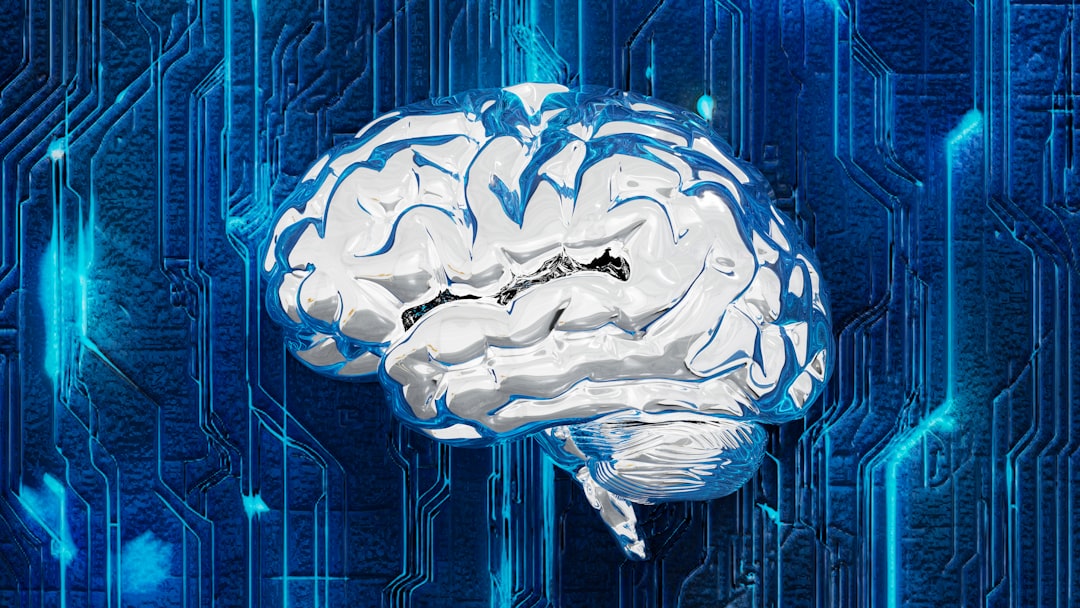
In today’s fast-paced world, the ability to retain information, concentrate effectively, and think critically is more valuable than ever. From students cramming for exams to professionals navigating complex projects, and even individuals striving to stay sharp in their golden years, a well-functioning memory and robust cognitive abilities are paramount. While we often associate memory with innate talent or something that inevitably declines with age, the reality is far more encouraging. Science is increasingly revealing that our brains are remarkably adaptable, and with the right tools and techniques, we can significantly enhance our memory and overall cognitive performance. This article delves into the exciting realm of memory-enhancing technologies, exploring the innovative ways we can actively cultivate a sharper mind and unlock our brain’s full potential.
Our understanding of memory and cognitive function has evolved dramatically over the past few decades. Once viewed as a static entity, the brain is now recognized as a dynamic and plastic organ, capable of forming new connections and pathways throughout life. This neuroplasticity is the cornerstone of memory enhancement, suggesting that consistent and targeted practice can literally reshape our brains for better performance.
Understanding Memory Formation and Retrieval
Memory is not a single entity but a complex process involving multiple stages. Information first enters our sensory memory, a fleeting register of what we perceive. If attended to, it moves into short-term memory, a temporary holding space for information we’re actively using. Through processes like rehearsal and elaboration, this information can be transferred to long-term memory, where it is stored for extended periods, sometimes indefinitely. Retrieving this stored information is just as crucial as encoding it, and involves accessing neural pathways to recall facts, experiences, and skills.
The Role of Neurotransmitters and Neural Pathways
At the biological level, memory formation is facilitated by neurotransmitters like acetylcholine, dopamine, and glutamate. These chemical messengers play vital roles in synaptic plasticity – the strengthening or weakening of connections between neurons. As we learn and remember, specific neural pathways are reinforced, making future recall of that information more efficient. Technologies that can influence these neurotransmitter levels or promote neural pathway development hold significant promise for memory enhancement.
The Concept of Neuroplasticity and Brain Training
Neuroplasticity, the brain’s ability to reorganize itself by forming new neural connections throughout life, is the scientific basis for many memory-enhancing strategies. Brain training, whether through traditional methods or technological interventions, aims to leverage this plasticity by providing targeted stimuli and challenges. Consistent engagement with these activities can lead to observable changes in brain structure and function, resulting in improved memory, attention, and problem-solving skills.
Debunking Myths About Age-Related Memory Decline
A common misconception is that a significant decline in memory is an inevitable part of aging. While some age-related changes in cognitive processing speed may occur, the ability to learn and form new memories remains throughout life. In fact, certain conditions that lead to severe memory loss, such as Alzheimer’s disease, are distinct from typical age-related changes. This understanding empowers us to actively pursue strategies that support lifelong cognitive health.
In exploring the various technologies designed to enhance memory, it’s fascinating to consider techniques that complement these innovations. A related article titled “Boost Your Memory with the Link Method” delves into a mnemonic strategy that can significantly improve recall abilities. This method, which involves creating associations between items to be remembered, aligns well with the use of apps and AI tools that aid in memory retention. For more insights on this effective technique, you can read the article here: Boost Your Memory with the Link Method.
Digital Tools for Sharpening Your Mind
The digital revolution has brought about an unprecedented array of tools designed to help us train our brains. From sophisticated brain-training apps to immersive virtual reality experiences, technology offers accessible and engaging ways to improve memory and cognitive function. These tools often gamify the learning process, making it enjoyable and motivating to consistently practice memory-enhancing techniques.
Brain-Training Applications and Software
The market for brain-training apps has exploded in recent years, offering a diverse range of games and exercises designed to target specific cognitive skills. These applications typically focus on areas such as working memory, attention, processing speed, and problem-solving. By presenting users with progressively challenging tasks, these apps aim to stimulate neural pathways and promote cognitive flexibility.
Evidence-Based Cognitive Training Platforms
While the efficacy of some brain-training apps has been debated, a growing body of research supports the benefits of certain evidence-based platforms. These platforms are often developed in collaboration with neuroscientists and psychologists and have undergone rigorous testing to demonstrate their impact on cognitive functions. They typically offer personalized training plans that adapt to the user’s performance, ensuring continuous challenge and growth.
Gamified Learning and Memory Games
The gamification of learning has proven to be a powerful motivator for users. Many brain-training apps incorporate game-like elements, such as points, levels, leaderboards, and rewards, to make the learning process more engaging and enjoyable. Memory games, in particular, are a popular category, ranging from simple matching games to more complex sequences and pattern recognition challenges. These games directly target the ability to store and retrieve information.
Virtual and Augmented Reality for Immersive Learning
Virtual reality (VR) and augmented reality (AR) offer unique opportunities for memory enhancement by creating immersive and interactive learning environments. VR can transport users to simulated historical events, allowing them to experience and remember information in a more visceral way. AR, on the other hand, can overlay digital information onto the real world, aiding in tasks that require spatial memory and information recall.
VR for Experiential Learning and Memory Recall
Imagine learning about ancient Rome by virtually walking through the Colosseum, or understanding complex anatomical structures by interacting with a 3D model in VR. These experiential learning opportunities can lead to deeper encoding and more robust memory formation. Studies have shown that learning through immersive experiences in VR can significantly improve retention rates compared to traditional methods.
AR for Real-World Information Overlay and Memory Support
Augmented reality applications can provide real-time information and cues to assist with memory. For example, an AR app could highlight the names of historical landmarks as you look at them, or provide step-by-step instructions for a complex task, reducing the cognitive load and the need to remember every detail. This can be particularly helpful for individuals with mild cognitive impairments or those learning new skills.
Lifestyle Factors and Natural Memory Boosters
While technology offers powerful tools, it’s crucial to remember that our lifestyle choices play a fundamental role in supporting brain health and memory. Diet, exercise, sleep, and stress management are all interconnected and profoundly impact our cognitive abilities. Integrating these natural boosters into our daily routines can create a strong foundation for memory enhancement.
The Impact of Nutrition on Brain Health
What we eat directly affects the structure and function of our brains. Certain nutrients are essential for neurotransmitter production, neural cell repair, and protection against oxidative stress. A balanced diet rich in fruits, vegetables, whole grains, and healthy fats can provide the building blocks for a healthy, high-performing brain.
Omega-3 Fatty Acids and Brain Function
Omega-3 fatty acids, particularly DHA and EPA, are crucial components of brain cell membranes. They play a vital role in neuronal signaling and can help reduce inflammation in the brain. Foods like fatty fish (salmon, mackerel, sardines), flaxseeds, and walnuts are excellent sources of these beneficial fats.
Antioxidants and Cognitive Protection
Antioxidants, found abundantly in berries, leafy greens, and dark chocolate, help protect brain cells from damage caused by free radicals. This oxidative stress can contribute to cognitive decline, so a diet rich in antioxidants can help preserve cognitive function over time.
The Gut-Brain Connection and Probiotics
Emerging research highlights the significant connection between the gut microbiome and brain health. A healthy gut can influence mood, stress levels, and even cognitive function through the production of neurotransmitters and other signaling molecules. Incorporating probiotic-rich foods like yogurt and fermented vegetables can support a balanced gut microbiome.
The Power of Physical Exercise for Cognitive Reserve
Regular physical activity is not just good for our bodies; it’s incredibly beneficial for our brains. Exercise increases blood flow to the brain, delivering essential oxygen and nutrients. It also stimulates the release of growth factors that promote the creation of new neurons and strengthen neural connections.
Aerobic Exercise and Memory Improvement
Aerobic exercises, such as running, swimming, and cycling, have been consistently linked to improvements in memory, attention, and executive functions. These activities increase heart rate and oxygen supply to the brain, fostering a more optimal environment for cognitive processes.
Strength Training and Cognitive Benefits
While aerobic exercise often gets the spotlight, strength training also offers cognitive advantages. Building muscle mass can improve insulin sensitivity, which is beneficial for brain health. Furthermore, the challenge and coordination involved in strength training can engage cognitive processes and contribute to overall brain fitness.
The Critical Role of Sleep in Memory Consolidation
Sleep is not just a period of rest; it’s a critical time for the brain to consolidate memories and clear out metabolic waste products. During different sleep stages, the brain processes and strengthens the information we’ve learned throughout the day, moving it from short-term to long-term storage.
Sleep Stages and Memory Consolidation
Different stages of sleep, particularly deep sleep (slow-wave sleep) and REM sleep, are associated with distinct memory consolidation processes. Deep sleep is thought to be crucial for declarative memory (facts and events), while REM sleep plays a role in procedural memory (skills and habits) and emotional memory.
Strategies for Improving Sleep Quality
Prioritizing sleep hygiene is essential for optimal memory function. This includes maintaining a regular sleep schedule, creating a relaxing bedtime routine, ensuring a dark and quiet sleep environment, and avoiding stimulants like caffeine and alcohol close to bedtime.
Stress Management and its Cognitive Impact
Chronic stress can have detrimental effects on memory and cognitive function. The stress hormone cortisol can interfere with the functioning of the hippocampus, a brain region vital for memory formation. Learning effective stress management techniques is therefore crucial for maintaining a sharp mind.
Mindfulness Meditation and Attention Training
Mindfulness meditation involves paying attention to the present moment without judgment. This practice has been shown to improve attention span, reduce mind-wandering, and enhance emotional regulation, all of which contribute to better memory performance.
Breathing Exercises and Relaxation Techniques
Simple breathing exercises and other relaxation techniques can help activate the body’s parasympathetic nervous system, counteracting the effects of stress. These techniques can lower heart rate, reduce muscle tension, and promote a sense of calm, creating a more conducive state for cognitive functioning.
If you’re looking to improve your memory skills, the techniques used by a Memory Athlete can be incredibly beneficial. Many people have found success in enhancing their cognitive abilities by following the strategies outlined by a Memory Athlete. By adopting the methods of a Memory Athlete, you can significantly boost your memory retention and recall.
Advanced Technologies and Future Frontiers
Beyond the current landscape of digital apps and lifestyle interventions, exciting advancements are on the horizon, pushing the boundaries of what’s possible in memory enhancement. These cutting-edge technologies promise to offer even more targeted and effective ways to optimize our cognitive abilities.
Neurofeedback and Brainwave Modulation
Neurofeedback is a type of biofeedback that uses real-time displays of brain activity to teach self-regulation of brain function. During a neurofeedback session, individuals learn to consciously alter their brainwave patterns, which can be trained to improve focus, reduce anxiety, and enhance cognitive performance.
EEG-Based Neurofeedback for Attention and Memory
Electroencephalography (EEG) is a common method for measuring brainwave activity. EEG-based neurofeedback systems can identify patterns associated with improved attention and memory and provide feedback to help individuals learn to generate those patterns more consistently.
Applications in Clinical Settings and Performance Enhancement
Neurofeedback has shown promise in addressing various cognitive challenges, including ADHD, anxiety, and learning disabilities. It is also increasingly being explored as a tool for athletes, musicians, and other professionals seeking to optimize their mental performance.
Transcranial Stimulation Techniques
Transcranial stimulation techniques involve the non-invasive application of electrical or magnetic currents to specific areas of the brain. These methods aim to modulate neural activity and enhance cognitive functions, including memory.
Transcranial Direct Current Stimulation (tDCS)
tDCS involves applying a low-level electrical current to the scalp, which can either excite or inhibit neural activity in targeted brain regions. Research suggests that tDCS may be able to improve learning, memory, and attention, although its long-term effects and optimal protocols are still under investigation.
Transcranial Magnetic Stimulation (TMS)
TMS uses magnetic pulses to stimulate or inhibit brain activity. While often used in clinical settings for conditions like depression, TMS is also being explored for its potential to enhance cognitive functions, including memory recall and learning.
The Role of Artificial Intelligence and Personalized Cognitive Training
Artificial intelligence (AI) is poised to revolutionize personalized cognitive training. AI algorithms can analyze vast amounts of user data to create highly individualized training plans, adapting exercises and challenges in real-time to maximize effectiveness.
AI-Powered Adaptive Learning Systems
AI-powered systems can track a user’s progress with remarkable precision, identifying areas of strength and weakness. They can then dynamically adjust the difficulty and type of cognitive tasks to ensure optimal challenge and continuous improvement, moving beyond one-size-fits-all approaches.
Predictive Analytics for Cognitive Health
In the future, AI may also be used for predictive analytics, identifying individuals at higher risk for cognitive decline and recommending proactive interventions. This could lead to more personalized and preventative approaches to maintaining brain health throughout life.
In exploring the various tools available for enhancing cognitive function, you may find it interesting to read about innovative memorization techniques that can complement the use of apps and AI. One such article discusses how harnessing the power of pi can significantly improve memory skills, providing practical strategies that anyone can implement. For more insights on this topic, check out the article on unlocking the power of pi and discover methods that could further boost your brain’s capabilities.
Unlocking Your Brain’s Potential: A Call to Action
| Technology | Type | Key Features | Benefits | Example |
|---|---|---|---|---|
| Memory Training Apps | App | Brain games, puzzles, progress tracking | Improves working memory, attention, and cognitive speed | Lumosity |
| AI-Powered Personal Assistants | AI | Reminders, scheduling, personalized suggestions | Enhances organization and reduces forgetfulness | Google Assistant |
| Wearable Neurostimulation Devices | Device | Transcranial direct current stimulation (tDCS) | Boosts memory retention and learning speed | Halo Neuroscience |
| Smart Note-Taking Apps | App | Voice-to-text, tagging, search functions | Improves information organization and recall | Evernote |
| AI-Based Memory Augmentation | AI | Contextual memory aids, predictive recall | Supports long-term memory and decision making | Mem.ai |
| Smart Glasses with AR | Device | Augmented reality overlays, real-time info | Enhances memory by providing contextual cues | Microsoft HoloLens |
The journey to a sharper mind and enhanced memory is an ongoing and rewarding one. It’s a testament to the remarkable adaptability of our brains and the ever-expanding possibilities offered by science and technology. By understanding the principles of memory, embracing the power of digital tools, prioritizing a healthy lifestyle, and staying abreast of emerging technologies, we can actively cultivate our cognitive abilities and unlock our brain’s full potential.
The science is clear: memory is not a fixed trait but a skill that can be honed and improved. Whether you’re a student striving for academic excellence, a professional seeking to stay ahead in a competitive field, or simply someone who wants to maintain a vibrant and agile mind as you age, the tools and knowledge are within reach.
To truly embark on this transformative journey and take control of your cognitive destiny, it’s time to embrace the innovative solutions available. Don’t let your memory and focus be passive passengers in your life; actively steer them towards peak performance.
Elevate your memory and cognitive performance today by downloading Memory Athlete, the ultimate app for mastering recall, sharpening focus, and unlocking your brain’s full potential. With its expertly designed exercises and personalized approach, Memory Athlete is your dedicated partner in building a stronger, more resilient, and more capable mind. The future of your cognitive well-being starts now.
FAQs
What are memory-boosting apps?
Memory-boosting apps are mobile applications designed to help improve memory through various exercises, games, and techniques. These apps often include features such as brain training exercises, puzzles, and reminders to help users enhance their memory skills.
How does artificial intelligence (AI) help improve memory?
AI technologies can help improve memory by personalizing learning experiences, providing adaptive feedback, and analyzing data to identify patterns and trends in memory performance. AI-powered tools can create customized memory training programs based on individual strengths and weaknesses.
What devices can help boost memory?
There are various devices that can help boost memory, such as wearable technology like smartwatches that provide reminders and prompts for memory-related tasks. Additionally, devices like digital voice recorders and smart pens can assist in capturing and organizing information to aid in memory retention.
Are there any risks associated with using memory-boosting technologies?
While memory-boosting technologies can be beneficial, there are some potential risks to consider. These may include over-reliance on technology for memory tasks, privacy concerns related to data collection, and the potential for distraction or cognitive overload from using multiple memory-boosting tools simultaneously.
How effective are memory-boosting technologies in improving memory?
The effectiveness of memory-boosting technologies can vary depending on the individual, the specific technology used, and the consistency of usage. Research has shown that regular practice with memory-boosting apps, AI tools, and devices can lead to improvements in memory function and cognitive performance over time.





Leave a Reply