
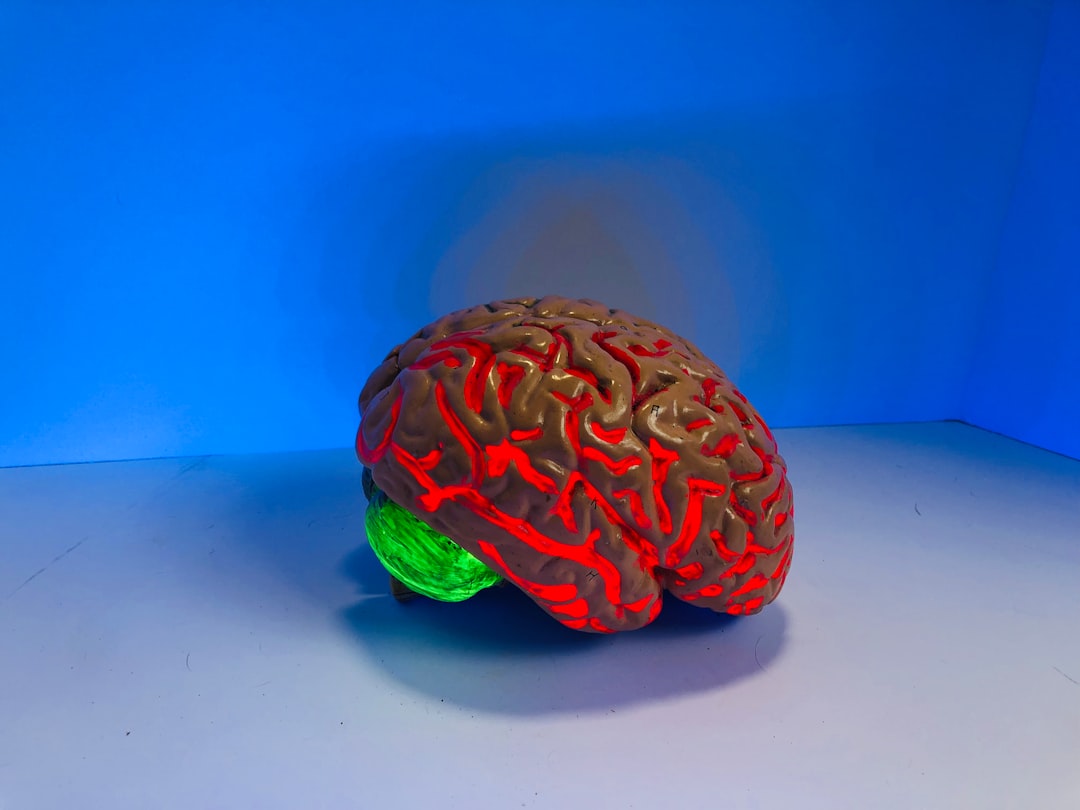
The human brain, a marvel of evolutionary engineering, possesses an incredible capacity for growth, adaptation, and resilience. Yet, many of us allow this powerful organ to coast on autopilot, rarely engaging in deliberate practices to enhance its function. Just as a athlete trains their body for peak physical performance, we can train our brains for optimal mental strength. This 30-day brain training plan is your blueprint for forging a more focused mind, a sharper memory, and an unwavering cognitive foundation.
Before we dive into the daily exercises, it’s crucial to grasp what mental strength truly entails. It’s not about being emotionless or never feeling overwhelmed. Instead, it’s about cultivating the inner resources to navigate challenges, recover from setbacks, and consistently perform at your best.
The Pillars of Cognitive Resilience
- Attention Control: The ability to focus on relevant information while filtering out distractions. This is the bedrock of productivity and learning.
- Working Memory Capacity: The brain’s temporary storage system for actively processing information. A strong working memory is vital for problem-solving and decision-making.
- Processing Speed: How quickly your brain can take in, interpret, and respond to information. Faster processing often equates to more efficient thinking.
- Emotional Regulation: The capacity to manage and respond to your emotions in a healthy and constructive way. This prevents emotional overwhelm from hijacking your cognitive functions.
- Cognitive Flexibility: The ability to switch between different tasks or ways of thinking, adapting to new situations and perspectives.
- Metacognition: Thinking about thinking. Understanding your own thought processes, strengths, and weaknesses allows for targeted self-improvement.
The Brain’s Plasticity: Your Secret Weapon
The remarkable news is that your brain is not static. It possesses an incredible quality called neuroplasticity, meaning it can reorganize itself by forming new neural connections throughout life. This plan leverages neuroplasticity to literally reshape your brain for better performance. Every exercise you undertake, every new skill you learn, strengthens existing pathways and builds new ones, enhancing your cognitive capabilities.
In addition to “Training Your Brain Like a Muscle: The 30-Day Plan,” readers may find it beneficial to explore the article on how to enhance memory techniques through mind mapping. This approach offers practical strategies for organizing thoughts and improving recall, complementing the muscle training concept for cognitive enhancement. For more insights, check out the article here: How to Use Mind Maps to Memorize Better.
Week 1: Laying the Groundwork – Focus and Awareness
The first week is dedicated to building fundamental skills: improving your ability to focus and cultivate a deeper awareness of your own mental state. These are the starting blocks for all subsequent improvements.
Day 1-7: Mindfulness and Meditation Practices
- Mindful Breathing (5-10 minutes daily): Find a quiet place, sit comfortably, and simply observe your breath. Notice the sensation of air entering and leaving your body. When your mind wanders (and it will), gently guide it back to your breath. This exercise strengthens your attention muscles and helps you develop a non-judgmental awareness.
- Body Scan Meditation (10-15 minutes, every other day): Lie down or sit comfortably. Bring your attention to different parts of your body, starting from your toes and moving up to your head. Notice any sensations – tingling, warmth, tension – without judgment. This deepens your body awareness and grounds you in the present moment.
- Mindful Walking (10 minutes, daily): As you walk, pay attention to the sensations in your feet, the movement of your legs, the rhythm of your breath, and the sights and sounds around you. Engage all your senses fully in the act of walking.
- One-Minute Mindful Moments (Throughout the day): Pick a routine activity – drinking water, washing your hands, opening a door – and dedicate one minute to doing it with complete awareness. Notice every detail, every sensation.
Day 1-7: Digital Detox and Single-Tasking
- Scheduled “No-Screen” Time (1 hour daily): Designate a specific hour each day where you completely abstain from all digital devices. Use this time for reading, journaling, or mindful activities.
- Single-Tasking Exercises (2-3 times daily): Choose a task you usually multitask with (e.g., eating, reading an article) and commit to doing only that task. Put away your phone, close unnecessary browser tabs, and give it your full, undivided attention. Notice how your focus improves and how much more you notice.
Week 2: Sharpening the Edges – Memory and Processing
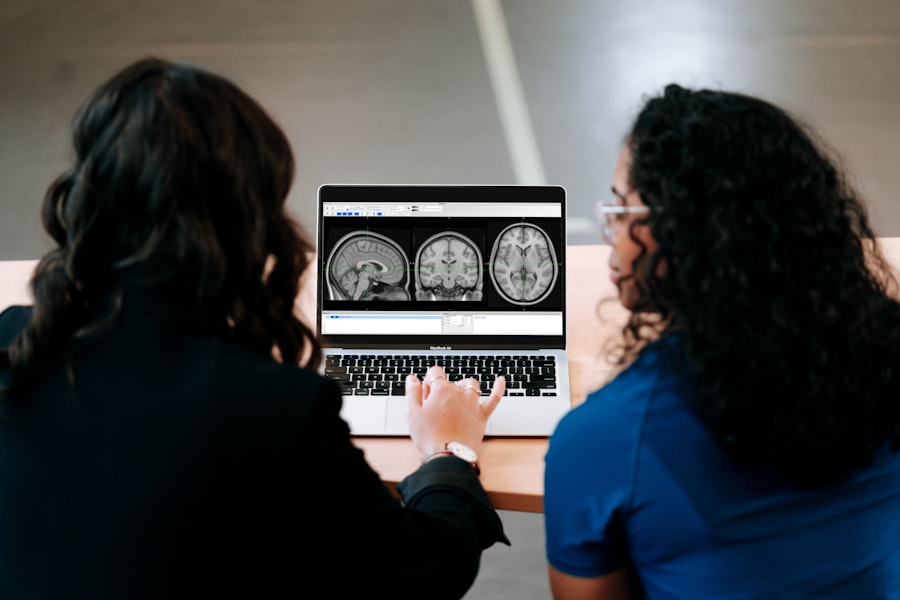
With a stronger foundation of focus, week two introduces exercises designed to boost your memory recall and improve your brain’s processing speed. These are crucial for learning new information and reacting effectively.
Day 8-14: Memory Enhancement Techniques
- Daily Recall Drills (10-15 minutes daily): At the end of each day, try to recall as many details as possible from your day in reverse chronological order. What did you eat for breakfast? What was the weather like? What conversations did you have? This strengthens episodic memory.
- Learn a New Skill (30 minutes daily): This could be anything from learning a few words in a new language, practicing a musical instrument, or trying a new craft. The act of acquiring new skills forces your brain to create new neural pathways, enhancing overall cognitive function.
- Memory Palace (Loci Method) Introduction: Research and understand the Memory Palace technique. Choose a familiar location (your home, a walk you take) and start associating specific items or concepts you want to remember with distinct locations within that mental space. Begin with a small list of 5-10 items.
- Visual Memory Games: Play games that require visual recall, such as “Kim’s Game” (look at a tray of objects for a minute, then try to list them all after they’re covered) or online memory matching games.
Day 8-14: Cognitive Speed Boosters
- Brain Teasers and Puzzles (15 minutes daily): Engage in logic puzzles, Sudoku, crosswords, or online brain-training games designed to challenge your processing speed and problem-solving abilities.
- Speed Reading Practice (15 minutes daily): Find an article or book and practice techniques like using a visual guide (your finger or a pen) to track your eyes, or trying to read groups of words rather than individual ones. The goal isn’t just speed, but also comprehension.
- “Spot the Difference” Games: These games are excellent for improving visual discrimination and processing speed. The faster you can identify subtle changes, the quicker your brain can interpret visual information.
Sure, here is the sentence with the clickable link:
I am amazed by the incredible feats of the Memory Athlete.
Week 3: Expanding Horizons – Creativity and Problem-Solving

As your foundational skills strengthen, week three focuses on more complex cognitive functions: fostering creativity, enhancing problem-solving abilities, and developing cognitive flexibility.
Day 15-21: Nurturing Creative Thinking
- Brainstorming Sessions (15-20 minutes, every other day): Choose a random object (e.g., a paperclip, a brick) and list as many alternative uses for it as you can. Or pick a common problem (e.g., traffic congestion) and brainstorm unconventional solutions. Don’t censor any ideas.
- Freewriting (10-15 minutes daily): Set a timer and write continuously about anything that comes to mind, without stopping to edit or correct yourself. This helps to overcome mental blocks and unleash the flow of ideas.
- Artistic Exploration (30 minutes, 2-3 times this week): Engage in an artistic activity you enjoy, or try a new one. This could be drawing, painting, sculpting, playing music, or even adult coloring books. Creative outlets stimulate different parts of the brain.
- “What If” Scenarios: Throughout your day, ask “what if” questions. What if gravity stopped working for five minutes? What if animals could talk? This encourages imaginative thinking and expands your mental horizons.
Day 15-21: Enhanced Problem-Solving
- Real-World Problem Analysis (15-20 minutes daily): Identify a small problem in your daily life (e.g., a cluttered desk, a recurring delay) and actively brainstorm multiple solutions. Evaluate the pros and cons of each and try implementing one.
- Reverse Engineering (Once this week): Take a product or a process you use regularly and try to break it down into its fundamental components or steps. Understand how it works from the inside out. This develops analytical thinking.
- Lateral Thinking Puzzles: Seek out and try to solve lateral thinking puzzles, which require you to think outside the box and challenge assumptions.
- Debate a Topic: Pick a current event or a philosophical question and try to argue for both sides of the issue. This strengthens your ability to see different perspectives and analyze arguments critically.
If you’re interested in enhancing your cognitive abilities, you might find the article on tricks to never forget names particularly useful. It complements the ideas presented in “Training Your Brain Like a Muscle: The 30-Day Plan” by offering practical techniques to improve memory retention. By incorporating these strategies into your daily routine, you can further develop your mental agility and recall skills. To explore these memory techniques, check out the article here.
Week 4: Integration and Sustained Growth – Emotional Intelligence and Lifestyle
| Day | Activity | Duration | Result |
|---|---|---|---|
| Day 1 | Brain Teasers | 20 minutes | Improved focus |
| Day 5 | Memory Games | 15 minutes | Enhanced memory recall |
| Day 10 | Learning a New Skill | 30 minutes | Increased cognitive flexibility |
| Day 15 | Mindfulness Meditation | 10 minutes | Reduced stress and improved attention |
| Day 20 | Physical Exercise | 45 minutes | Enhanced brain function and mood |
| Day 25 | Reading Complex Material | 20 minutes | Improved comprehension and critical thinking |
| Day 30 | Review and Reflection | 15 minutes | Overall cognitive improvement |
The final week is about integrating all the skills you’ve developed and understanding how lifestyle factors critically impact your cognitive performance. It’s about building a sustainable framework for lifelong mental strength.
Day 22-28: Cultivating Emotional Intelligence
- Emotion Journaling (10 minutes daily): At the end of each day, write down the strongest emotions you experienced, what triggered them, and how you responded. This builds self-awareness and helps you identify patterns.
- Empathy Exercises (Daily): When interacting with others, consciously try to understand their perspective and feelings. Ask open-ended questions and practice active listening. Watch a movie or read a book and try to understand the motivations of different characters.
- Stress Reduction Techniques (15-20 minutes daily): Incorporate activities that genuinely help you de-stress, such as yoga, deep breathing exercises, spending time in nature, or listening to calming music. Chronic stress is detrimental to cognitive function.
- Practice Gratitude (5 minutes daily): Make a conscious effort to list 3-5 things you are grateful for each day. Gratitude has been shown to reduce stress, improve mood, and foster a more positive outlook, all of which contribute to mental resilience.
Day 22-28: Lifestyle for Peak Brain Performance
- Optimized Sleep Schedule (7-9 hours nightly): Prioritize consistent, high-quality sleep. Go to bed and wake up around the same time each day, even on weekends. Create a relaxing pre-sleep routine. Sleep is when your brain consolidates memories and performs vital maintenance.
- Nutrient-Rich Diet: Focus on a balanced diet rich in whole foods, fruits, vegetables, lean proteins, and healthy fats (especially omega-3s). Reduce processed foods, excessive sugar, and unhealthy fats. Hydration is also key; drink plenty of water.
- Regular Physical Activity (30 minutes, 3-5 times this week): Engage in aerobic exercise, strength training, or a combination. Physical activity increases blood flow to the brain, promotes the growth of new brain cells, and improves mood.
- Social Connection: Make time for meaningful interactions with friends and family. Social engagement is a powerful brain booster, preventing isolation and stimulating cognitive activity.
- Continuous Learning: Identify a new topic or skill you’d like to delve into further. The brain thrives on novelty and challenge.
Beyond 30 Days: Sustaining Your Mental Edge
This 30-day plan is just the beginning. The goal is to integrate these practices into your daily life and cultivate a mindset of continuous improvement.
The Power of Habit and Consistency
- Review and Reflect: At the end of the 30 days, review your progress. What improvements have you noticed? What challenges did you face? Which practices resonated most with you?
- Personalize Your Routine: Not every exercise will work for everyone. Choose the ones that you find most engaging and beneficial, and build them into your regular schedule.
- Stay Curious: Always be on the lookout for new ways to challenge your brain. Learn new hobbies, read widely, engage in stimulating conversations.
- Mind-Body Connection: Remember that your brain doesn’t exist in isolation. Your physical health, emotional well-being, and social connections profoundly impact your cognitive function.
Measuring Your Progress and Setting New Goals
- Subjective Assessment: Keep a journal throughout the 30 days. Note down your feelings, your ability to focus, your memory recall, and your overall mental clarity. This qualitative data is incredibly valuable.
- Objective Metrics (Optional): Some people enjoy using online cognitive assessment tools or apps to track progress in areas like reaction time, working memory, or problem-solving speed. While these can be motivating, don’t rely solely on them; your subjective experience is paramount.
- Set New Challenges: Once you’ve completed this plan, set new cognitive goals. Perhaps you want to master a new language, learn to play chess, or write a short story. Continual challenge is key to sustained brain health.
You’ve embarked on a transformative journey to build a stronger, more resilient mind. This 30-day plan has equipped you with the tools and techniques to sharpen your focus, enhance your memory, and unlock your cognitive potential. But the true power lies in consistent application and the desire for continuous growth.
To truly elevate your memory and cognitive performance, don’t stop here. Take the next step and download Memory Athlete, the ultimate app designed specifically for mastering recall, sharpening focus, and unlocking your brain’s full potential. With interactive exercises, personalized training programs, and cutting-edge techniques, Memory Athlete provides the ongoing challenge and support you need to maintain and amplify your mental edge. Transform your brain into the powerful instrument it was meant to be. Download Memory Athlete today and become the master of your mind.
FAQs
What is the concept of training your brain like a muscle?
Training your brain like a muscle involves engaging in mental exercises and activities to improve cognitive function, memory, and overall brain health. This concept is based on the idea that the brain can be strengthened and improved through regular mental stimulation, similar to how muscles can be strengthened through physical exercise.
What are some examples of brain training exercises?
Brain training exercises can include activities such as puzzles, memory games, learning a new skill or language, meditation, and mindfulness practices. These activities are designed to challenge and stimulate the brain, promoting neuroplasticity and enhancing cognitive abilities.
How long does it take to see results from brain training?
The timeline for seeing results from brain training can vary depending on the individual and the specific exercises being performed. Some people may notice improvements in cognitive function and memory within a few weeks of consistent brain training, while others may take longer to see significant changes. Consistency and regular practice are key factors in achieving positive results.
Are there any potential benefits to training your brain like a muscle?
Yes, there are potential benefits to training your brain like a muscle. These may include improved memory, enhanced cognitive function, increased focus and attention, better problem-solving skills, and a reduced risk of cognitive decline and age-related brain disorders.
What is a 30-day brain training plan and how can it be implemented?
A 30-day brain training plan is a structured program designed to provide daily mental exercises and activities to challenge and improve brain function over the course of a month. This plan may include a variety of brain training exercises, such as puzzles, memory games, and mindfulness practices, with the goal of promoting neuroplasticity and cognitive enhancement. Implementing a 30-day brain training plan involves committing to daily practice, tracking progress, and adjusting the plan as needed to meet individual goals and preferences.





Leave a Reply