

Ever feel like your brain’s running on fumes, or you just can’t quite grasp that name, fact, or where you left your keys? Good news: you can absolutely boost your memory. Think of your brain not as a static hard drive, but more like a muscle that gets stronger with regular exercise. It’s not about magic pills or expensive gadgets; it’s about incorporating simple, consistent mental workouts into your daily routine. This article will lay out practical, science-backed brain exercises to help improve your recall, focus, and overall cognitive function.
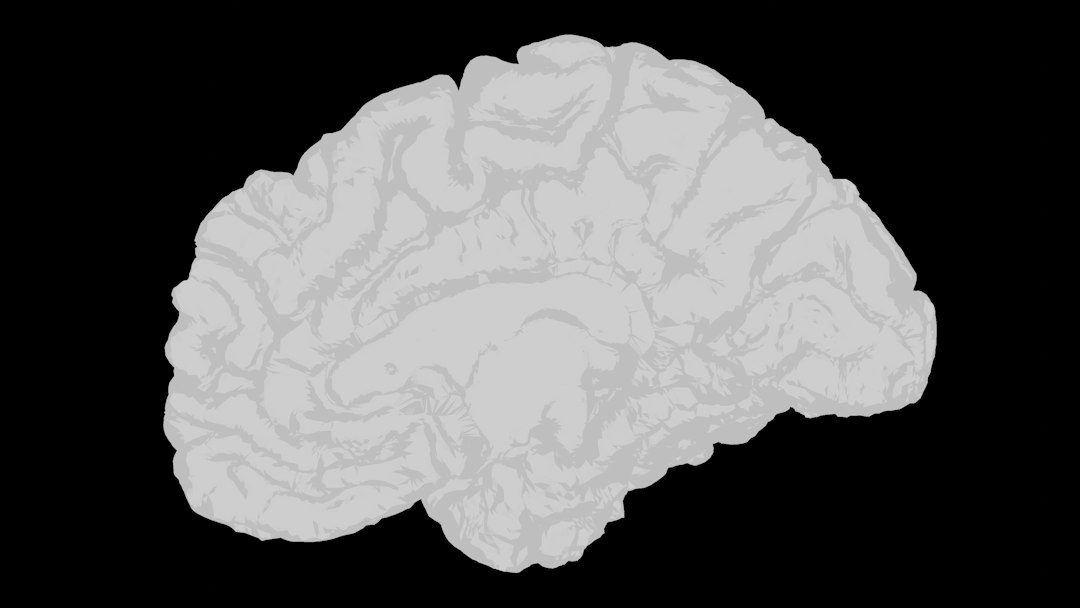
Our brains, especially the hippocampus (a key memory region), can actually grow and form new connections throughout our lives. This phenomenon is called neuroplasticity. When you engage in mentally stimulating activities, you’re essentially building new neural pathways, making your brain more efficient at processing and retrieving information. Conversely, a lack of mental engagement can lead to a decline in cognitive function over time. It’s not just about remembering facts; it’s about sharper problem-solving, better focus, and maintaining mental agility as you age.
The Use-It-Or-Lose-It Principle
Just like any other muscle in your body, if you don’t use your brain, it won’t perform at its best. Regular mental stimulation challenges your brain, forcing it to adapt and strengthen its neural networks. This principle applies across the board, whether you’re trying to learn a new language, master a musical instrument, or simply remember where you parked your car.
Beyond Rote Memorization
When we talk about boosting memory, we’re not just referring to the ability to cram for a test. We’re talking about enhancing different types of memory: working memory (holding information temporarily), long-term memory (storing information for extended periods), episodic memory (remembering events), and semantic memory (remembering facts and concepts). Brain exercises aim to improve the interconnectedness of these systems.
For those interested in enhancing their cognitive abilities, exploring brain memory improvement exercises can be incredibly beneficial. A related article that delves into the intricacies of memory retention is titled “The Role of Emotions in Long-Term Memory Retention.” This insightful piece discusses how emotional experiences can significantly influence the way we remember information. To read more about this fascinating connection, visit the article here: The Role of Emotions in Long-Term Memory Retention.
Everyday Activities That Double as Brain Boosters
You don’t need to dedicate hours to specialized “brain games” to see results. Many everyday activities, when approached with a mindful intention, can be powerful memory enhancers. The key is to step outside your comfort zone and introduce novelty.
Embrace Novelty and Learning New Skills
Our brains thrive on new experiences. When you learn something new, you’re forcing your brain to create new neural connections. This could be anything from a new language to a musical instrument.
Learn a New Language
Learning a new language is a fantastic brain workout. It engages multiple cognitive functions: memory (vocabulary, grammar), attention, problem-solving, and auditory processing. Studies have shown that bilingual individuals often have better executive function and even a delayed onset of dementia. Start with free apps like Duolingo or Babbel, or find a local class.
Pick Up a Musical Instrument
Playing a musical instrument is incredibly complex for the brain. It requires fine motor skills, auditory processing, pattern recognition, and memory to recall notes, chords, and melodies. It’s a full-brain workout that offers both cognitive and emotional benefits. Don’t worry about being a virtuoso; even learning a few simple chords on a guitar or piano can make a difference.
Try a New Hobby
Whether it’s knitting, coding, gardening, or woodworking, engaging in a new hobby that requires learning new skills and problem-solving can stimulate your brain in beneficial ways. The process of learning, making mistakes, and improving is what strengthens those neural pathways.
Challenge Your Routines
Our brains are masters of efficiency, and routines, while helpful, can sometimes lead to autopilot mode. Breaking out of routine forces your brain to pay attention and engage more actively.
Take a Different Route Home
Instead of driving or walking the same way every day, try a new route. This simple change forces your brain to pay attention to new landmarks, make new spatial maps, and actively navigate, rather than relying on ingrained habits.
Use Your Non-Dominant Hand
Try brushing your teeth, eating, or even writing (if you’re feeling ambitious) with your non-dominant hand. This might feel awkward and clumsy at first, but it activates different parts of your brain and builds new neural pathways. It’s a quick, easy way to introduce novelty.
Rearrange Your Environment
Even small changes, like moving furniture or rearranging items on your desk, can encourage your brain to adapt. When objects aren’t in their usual spots, you have to actively search for them, engaging your spatial memory and attention.
Strategic Mental Drills for Sharper Recall

Beyond everyday tweaks, specific mental exercises can target different aspects of memory and cognitive function. These aren’t about being good at them right away; it’s about the consistent effort.
Memory Palaces and Mnemonics
These ancient techniques are incredibly effective for remembering lists, sequences, or complex information by associating them with vivid, memorable images or locations.
The Method of Loci (Memory Palace)
This technique involves associating items you want to remember with specific locations in a familiar place (like your house or a route you know well). For example, if you need to remember a shopping list, visualize a giant loaf of bread on your doorstep, milk spilling on your couch, and a cow grazing in your kitchen. When you “walk” through your memory palace, these vivid images will help you recall the items. The more bizarre or emotionally charged the image, the more memorable it becomes.
Acronyms and Acrostics
For lists or sequences, acronyms (like NASA for National Aeronautics and Space Administration) or acrostics (like “Every Good Boy Does Fine” for the musical notes E, G, B, D, F) can be lifesavers. Create your own for information you need to remember. The effort of creating them further cements the information.
Visualization and Association
When trying to remember a name or a new piece of information, try to associate it with something visual, funny, or personally relevant. If you meet someone named “Mr. Baker,” imagine him with a giant baker’s hat and apron. The more connections you make, the easier it is for your brain to retrieve that information later.
Brain Games and Puzzles
Many puzzles and games are specifically designed to challenge different cognitive functions, making them excellent memory boosters.
Sudoku and Crosswords
These classic puzzles require logic, pattern recognition, and the retrieval of information from your long-term memory. Sudoku focuses on numerical and spatial reasoning, while crosswords enhance vocabulary and general knowledge. Start with easier puzzles and gradually increase the difficulty to keep your brain challenged.
Jigsaw Puzzles
Working on jigsaw puzzles improves spatial reasoning, problem-solving skills, and attention to detail. It requires you to hold images in your mind (what a piece should look like), rotate them mentally, and find their correct place. This visual-spatial workout is excellent for your hippocampus.
Card Games
Games like solitaire, bridge, or even memory-matching games can significantly boost your working memory, strategic thinking, and attention. You need to remember what cards have been played, anticipate future moves, and hold multiple pieces of information in your mind simultaneously.
Lifestyle Habits That Fuel Your Brain

While exercises are important, your overall lifestyle plays a massive role in brain health and memory function. You can’t out-exercise a poor diet or lack of sleep.
Prioritize Quality Sleep
Sleep isn’t just “rest time”; it’s when your brain actively consolidates memories, clears out metabolic waste products, and strengthens neural connections. Chronic sleep deprivation severely impairs memory, focus, and learning ability. Aim for 7-9 hours of quality sleep per night.
Create a Sleep Routine
Go to bed and wake up at roughly the same time each day, even on weekends. This helps regulate your body’s natural sleep-wake cycle (circadian rhythm).
Optimize Your Sleep Environment
Keep your bedroom dark, quiet, and cool. Avoid screens (phones, tablets, computers) for at least an hour before bedtime, as the blue light can interfere with melatonin production.
Nourish Your Brain with a Healthy Diet
What you eat directly impacts your brain’s health and function. Certain nutrients are crucial for cognitive performance.
Embrace Omega-3 Fatty Acids
Found in fatty fish (salmon, mackerel, sardines), flaxseeds, and walnuts, omega-3s are essential building blocks for brain cells and are linked to improved memory and reduced risk of cognitive decline.
Antioxidant-Rich Foods
Berries (blueberries, strawberries), dark leafy greens (spinach, kale), and dark chocolate are packed with antioxidants that protect brain cells from damage caused by free radicals.
Limit Processed Foods and Sugar
These can lead to inflammation and oxidative stress, which are detrimental to brain health. A diet high in sugar and processed foods can impair cognitive function over time. Focus on whole, unprocessed foods.
Move Your Body Regularly
Physical exercise isn’t just good for your muscles and heart; it’s a powerful brain booster. It increases blood flow to the brain, delivers more oxygen and nutrients, and encourages the growth of new brain cells.
Aerobic Exercise
Activities like brisk walking, jogging, swimming, or cycling, when done regularly, can significantly improve memory and cognitive function. Aim for at least 150 minutes of moderate-intensity aerobic exercise per week.
Strength Training and Balance Exercises
These types of exercises also contribute to overall brain health. Strength training can improve mood and cognitive function, while balance exercises can enhance proprioception and spatial awareness. Even simple bodyweight exercises or tai chi can be beneficial.
If you’re looking to enhance your cognitive abilities, exploring various brain memory improvement exercises can be incredibly beneficial. One insightful resource that delves into advanced techniques is an article that discusses how to memorize entire books using a systematic approach. You can read more about it in this informative article, which provides practical tips and strategies to boost your memory retention and recall skills effectively.
Harness the Power of Mindfulness and Social Connection
| Exercise | Description | Benefits |
|---|---|---|
| Memory Games | Engage in puzzles, crosswords, and Sudoku | Improves cognitive function and memory retention |
| Physical Exercise | Regular aerobic exercise | Enhances brain health and memory |
| Meditation | Practice mindfulness and meditation | Reduces stress and improves focus and memory |
| Learning a new skill | Acquire a new language or musical instrument | Stimulates brain activity and memory retention |
Our emotional state and social interactions profoundly impact our cognitive abilities. Stress and isolation can be detrimental to memory.
Practice Mindfulness and Meditation
Chronic stress can shrink the hippocampus, impairing memory. Mindfulness practices, like meditation, can reduce stress, improve attention, and even increase gray matter in brain regions associated with memory and learning.
Simple Breathwork
Even 5-10 minutes of focused breathing each day can make a difference. Pay attention to the sensation of your breath entering and leaving your body. When your mind wanders, gently bring it back.
Mindful Observation
Try to mindfully observe an everyday object – a flower, a piece of fruit – noticing its colors, textures, and details without judgment. This improves focus and attention, which are prerequisites for good memory.
Cultivate Strong Social Connections
Humans are social creatures, and social interaction is vital for brain health. Engaging in conversations, participating in group activities, and maintaining relationships can protect against cognitive decline.
Engage in Meaningful Conversations
Talking with others, discussing ideas, and listening actively stimulates your brain. It requires memory, attention, and executive functions like planning and problem-solving.
Join Clubs or Volunteer
Participating in social groups, whether it’s a book club, a hiking group, or volunteering for a cause you care about, provides mental stimulation and a sense of purpose, both of which are beneficial for brain health. Loneliness and social isolation are significant risk factors for cognitive decline.
By consistently integrating these brain exercises and healthy lifestyle habits into your daily life, you’ll be giving your memory the best possible chance to thrive. Remember, it’s a journey, not a destination, and every little bit of effort counts.





Leave a Reply