

Memory recall is a fundamental cognitive function that plays a crucial role in our daily lives. It allows us to retrieve information from our past experiences, enabling us to learn, make decisions, and interact with others effectively. The ability to remember details, whether they are facts, events, or faces, shapes our identity and influences our relationships.
In a world where information is constantly bombarding us, honing our memory recall skills can significantly enhance our personal and professional lives. Moreover, memory recall is not just about retaining information; it is also about the quality of that information.
This skill is particularly important in a society that values networking and collaboration. By improving our memory recall, we can foster deeper connections with others and create a more enriching social environment. I am training to become a Memory Athlete and improve my cognitive abilities.
Key Takeaways
- Memory recall is important for everyday functioning and social interaction
- Remembering names and faces involves the brain’s ability to encode, store, and retrieve information
- Techniques for improving memory recall include visualization, association, and repetition
- Names and faces play a significant role in memory, as they are linked to personal experiences and emotions
- Strategies for boosting memory recall include staying organized, getting enough sleep, and practicing mindfulness
The Science of Remembering Names and Faces
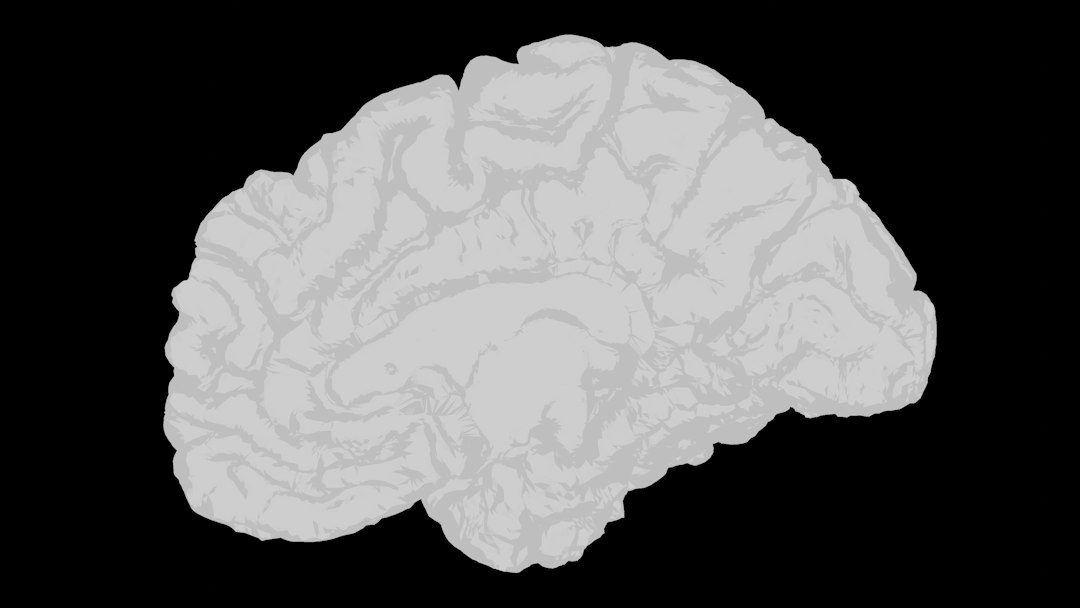
The ability to remember names and faces is a fascinating area of study within cognitive psychology. Research has shown that our brains are wired to recognize faces, a skill that has evolved over thousands of years. The fusiform gyrus, a region in the brain, is specifically dedicated to facial recognition, highlighting the importance of this ability in human interaction.
However, while recognizing a face may come naturally, recalling a name often proves to be a more challenging task. Several factors contribute to the difficulty of remembering names. One significant aspect is the sheer volume of information we encounter daily.
In social settings, we are often introduced to numerous individuals in a short period, making it easy for names to slip through the cracks of our memory. Additionally, the way we process names can impact our ability to recall them later. Names are often abstract and lack the contextual cues that help us remember other types of information.
Understanding these scientific principles can help us develop strategies to improve our memory for names and faces.
Techniques for Improving Memory Recall

Improving memory recall requires intentional practice and the application of specific techniques. One effective method is the use of mnemonic devices, which are memory aids that help encode information in a more memorable way. For instance, associating a person’s name with a visual image or creating a rhyme can make it easier to remember.
These techniques leverage our brain’s natural inclination toward patterns and associations, making recall more efficient. Another powerful technique is the method of loci, also known as the memory palace technique. This ancient strategy involves visualizing a familiar place and associating different pieces of information with specific locations within that space.
By mentally walking through this “palace,” individuals can retrieve memories more easily. This method not only enhances recall but also engages the imagination, making the process enjoyable and effective.
The Role of Names and Faces in Memory
| Study | Findings |
|---|---|
| Study 1 | Names are better remembered than faces |
| Study 2 | Faces are better remembered than names |
| Study 3 | Combining names and faces improves memory retention |
Names and faces serve as critical anchors for our memories, providing context and meaning to our interactions. When we meet someone new, their name and face become intertwined in our memory, forming a unique association that helps us recognize them in the future. This connection is vital for building relationships and fostering social bonds.
Remembering someone’s name can convey respect and attentiveness, while forgetting it may lead to feelings of embarrassment or disconnection. Furthermore, names often carry cultural significance and personal stories that enrich our understanding of others. They can reflect heritage, family history, or even aspirations.
Faces, on the other hand, convey emotions and expressions that add depth to our interactions. By recognizing the importance of names and faces in memory formation, we can appreciate the nuances of human connection and strive to improve our ability to remember them.
Strategies for Boosting Memory Recall
To enhance memory recall effectively, individuals can adopt various strategies tailored to their learning styles and preferences. One such strategy is active engagement during introductions. Instead of passively listening when someone shares their name, repeating it aloud or using it in conversation shortly after meeting them can reinforce the memory.
This active participation creates stronger neural connections associated with that name. Another useful approach is to create associations between names and personal characteristics or interests. For example, if you meet someone named Rose who loves gardening, visualizing a rose flower blooming in a garden can create a vivid mental image that aids recall.
By linking names to meaningful concepts or images, we can significantly improve our ability to remember them.
The Link Between Memory and Social Interaction

Memory plays an integral role in social interaction, influencing how we connect with others and navigate our relationships. The ability to remember names and faces fosters trust and rapport, essential components of effective communication. When we remember someone’s name, it signals that we value them as individuals and are invested in building a relationship.
This simple act can lead to more profound connections and open doors for collaboration. Moreover, memory recall extends beyond individual interactions; it shapes our understanding of social dynamics within larger groups. By recalling past experiences with certain individuals or groups, we can navigate social situations more adeptly.
This ability allows us to anticipate reactions, understand group dynamics, and respond appropriately in various contexts. Ultimately, enhancing memory recall not only benefits personal relationships but also enriches our social lives as a whole.
The Impact of Forgetting Names and Faces
Forgetting names and faces can have significant repercussions on both personal and professional levels. In social settings, failing to remember someone’s name may lead to awkwardness or discomfort during interactions. It can create an impression of disinterest or lack of attention, potentially hindering relationship-building efforts.
In professional environments, forgetting a colleague’s name can undermine teamwork and collaboration, affecting overall productivity. Additionally, the emotional impact of forgetting names can be profound. Individuals may feel embarrassed or anxious about their inability to recall someone’s name, leading to self-doubt or diminished confidence in social situations.
This cycle can perpetuate itself; the more anxious one becomes about forgetting names, the more likely they are to struggle with memory recall in the future. Recognizing these challenges is essential for developing effective strategies to combat forgetfulness.
Practical Tips for Remembering Names and Faces
To improve your ability to remember names and faces effectively, consider implementing practical tips into your daily routine. One straightforward approach is to focus on the person during introductions actively. Make eye contact and pay attention to their facial features while they say their name; this mindfulness can enhance your ability to recall it later.
Another helpful tip is to use visualization techniques immediately after meeting someone new. Picture their name written across their forehead or imagine associating their name with an object or concept that resonates with you personally. These mental images create strong associations that facilitate recall when you encounter that person again.
The Connection Between Emotion and Memory Recall
Emotions play a pivotal role in memory recall; they serve as powerful catalysts for encoding memories more deeply into our minds. When we experience strong emotions—whether joy, sadness, excitement, or fear—our brains are more likely to retain those memories due to the heightened state of arousal associated with emotional experiences. This connection explains why we often remember significant life events vividly while struggling with mundane details.
In social interactions, emotional connections can enhance our ability to remember names and faces as well. When we form positive feelings toward someone—such as admiration or affection—those emotions create stronger neural pathways associated with their name and appearance. By fostering emotional connections during interactions, we can improve our overall memory recall capabilities.
The Benefits of Improving Memory Recall
Enhancing memory recall offers numerous benefits that extend beyond simply remembering names and faces. Improved memory skills can lead to greater academic success as students retain information more effectively during lectures or while studying for exams. In professional settings, strong memory recall can boost productivity by allowing individuals to access relevant information quickly without relying on notes or digital devices.
Additionally, better memory recall contributes to overall cognitive health as it encourages mental engagement and lifelong learning.
This ongoing mental exercise can help stave off cognitive decline as we age.
Memory Recall Exercises and Activities
To cultivate better memory recall skills, engaging in specific exercises and activities can be highly beneficial. One effective exercise is practicing mindfulness meditation; this practice enhances focus and attention while reducing stress—two factors that significantly impact memory performance. By training your mind to remain present during interactions, you increase your chances of remembering names and faces.
Another enjoyable activity is playing memory games or puzzles that challenge your cognitive abilities. Games like matching cards or word association exercises stimulate your brain while providing an entertaining way to practice memory recall skills. Additionally, participating in group activities that require collaboration—such as team sports or group projects—can further enhance your social memory skills by encouraging you to remember team members’ names and roles.
In conclusion, elevating your cognitive game starts with mastering memory techniques that enhance your ability to remember names and faces effectively. By downloading the Memory Athlete mobile app, you gain access to a wealth of resources designed to help you compete like a champion in the realm of memory recall. Embrace this opportunity to sharpen your skills and transform your interactions into meaningful connections!
In exploring the techniques for improving Names and Faces Recall, one can find valuable insights in the article on how to use mnemonics like a memory pro. This resource delves into mnemonic strategies that can enhance memory retention, making it easier to remember names and faces effectively. By applying these techniques, individuals can significantly boost their recall abilities in social and professional settings.
FAQs
What is Names and Faces Recall?
Names and Faces Recall is a cognitive process that involves the ability to remember and recognize people’s names and faces.
Why is Names and Faces Recall important?
Names and Faces Recall is important for social interactions, networking, and building relationships. It is also crucial for various professional and personal situations where remembering people’s names and faces is necessary.
What are some strategies to improve Names and Faces Recall?
Some strategies to improve Names and Faces Recall include actively paying attention when meeting someone, repeating the person’s name during the conversation, creating mental associations between the person’s name and face, and practicing recall through visualization and repetition.
Can Names and Faces Recall be improved with practice?
Yes, Names and Faces Recall can be improved with practice. By using specific memory techniques and regularly engaging in social interactions, individuals can enhance their ability to remember and recognize people’s names and faces.
Are there any cognitive exercises to enhance Names and Faces Recall?
Yes, there are cognitive exercises such as facial recognition games, memory training apps, and mnemonic techniques that can help improve Names and Faces Recall. These exercises can strengthen the brain’s ability to remember and recognize faces and names.





Leave a Reply