
How to Memorize a 1000-Digit Number: A Step-by-Step Guide
Memorizing a 1000-digit number sounds impossible. Yet, memory athletes regularly achieve this feat using special techniques. In this article, you’ll discover how to build the skills and mental tools needed to memorize long numbers step by step.
Why Memorize a 1000-Digit Number?
Training your brain to remember massive numbers isn’t just for show. It builds focus, sharpens concentration, and boosts overall memory power. Improving your memory helps with learning languages, remembering facts, and performing better in daily life.
Understanding Memory Techniques for Numbers
Our brains aren’t designed to remember long strings of random digits. To succeed, you need to convert numbers into something more meaningful. The world’s best memorists use systems that transform numbers into familiar images, stories, or patterns. Here are some popular techniques:
- Major System: Turns digits into consonant sounds, then words and images.
- PAO (Person-Action-Object) System: Each group of digits becomes a person doing an action with an object.
- Memory Palace (Method of Loci): Mentally place your images along a familiar route or in rooms of an imaginary palace.
Step 1: Choose Your Number Encoding System
First, select a system to transform numbers into memorable images. For large numbers, most memory athletes use either the Major System or PAO System:
- Major System: Assigns consonant sounds to digits (e.g., 1 = T or D, 2 = N). Create words from sequences of digits, then visualize the objects.
- PAO System: Assigns each two-digit number to a unique person, action, and object. For example, 15 might be Albert Einstein (person), writing (action), on a chalkboard (object).
Design your list in advance so you have a visual or story for every possible combination of digits.
Step 2: Break Down the 1000 Digits
Don’t try to memorize all 1000 digits at once. Instead, divide them into manageable chunks:
- If using the PAO method, split the number into groups of 6 digits (3 pairs for person, action, object).
- With the Major System, group digits into pairs or triplets, depending on your list.
- Each chunk becomes a unique image or story, making it easier to recall later.
Step 3: Build Your Memory Palace
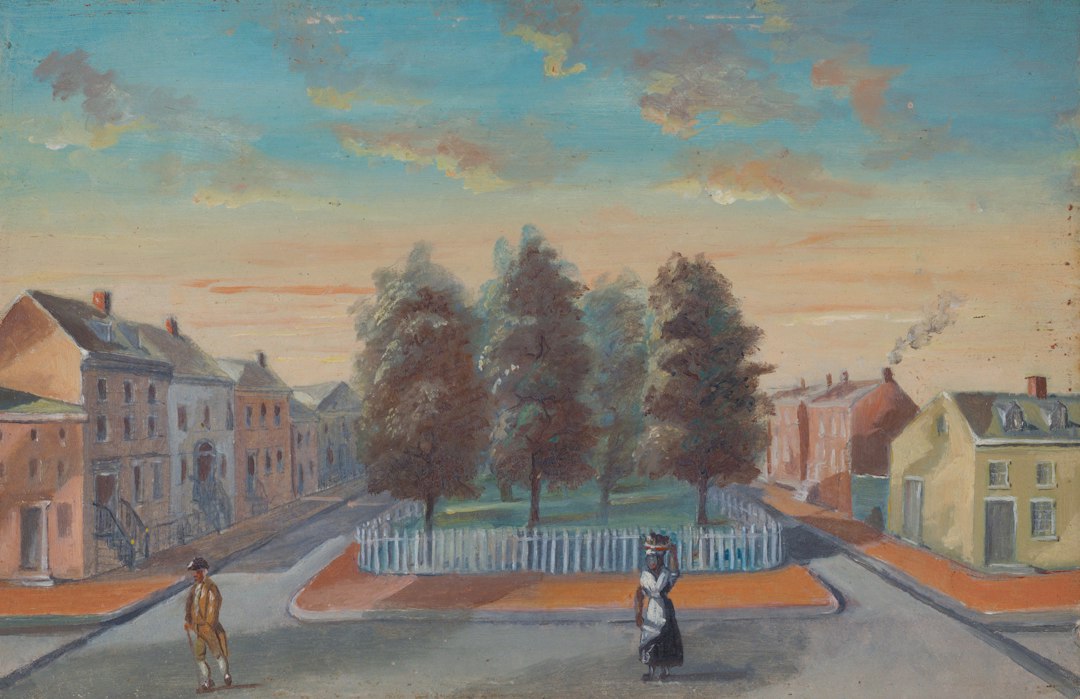
The next crucial step is to create a memory palace. Pick a place you know well—a childhood home, your daily walk, or the rooms in your house. Visualize walking through this space and assign locations for each memory chunk:
- Start at the front door. Place the first image (first chunk) there in your imagination.
- Move to the next location (a hallway, a sofa) and place the next image.
- Continue until you have enough spots for all your chunks (you’ll need about 167 locations for 1000 digits using 6-digit PAO chunks).
The more vivid, silly, or weird your mental images, the easier they’ll stick.
Step 4: Lay Down the Memories
Now combine your system and palace. As you read each group of digits:
- Convert it into your pre-made image or story using your chosen encoding method.
- Place that image at the next spot in your memory palace.
- Take your time, focusing on each location and imagining the scene as clearly as possible.
Step 5: Practice Recall and Strengthen Your Memory
After filling the memory palace, walk through it mentally. At each spot, see if you can recall the image and translate it back into the original digits. Do this several times after your initial memorization session:
- Immediate recall: Test yourself right after memorizing to reinforce the images.
- Interval recall: Review after 10 minutes, 1 hour, then later in the day.
- Spaced repetition: Review the number over days and weeks to store it in long-term memory.
Additional Tips for Memorizing Long Numbers
- Stay Consistent: Use the same routes and imagery to avoid confusion.
- Engage your senses: Imagine sounds, smells, and emotions for each image.
- Eliminate distractions: Train in a quiet environment to improve focus.
- Rest and hydrate: A healthy mind remembers better. Take breaks and drink water.
- Start small: Begin with 20–50 digits and gradually increase your target as you gain confidence.
The Science Behind Memory Training
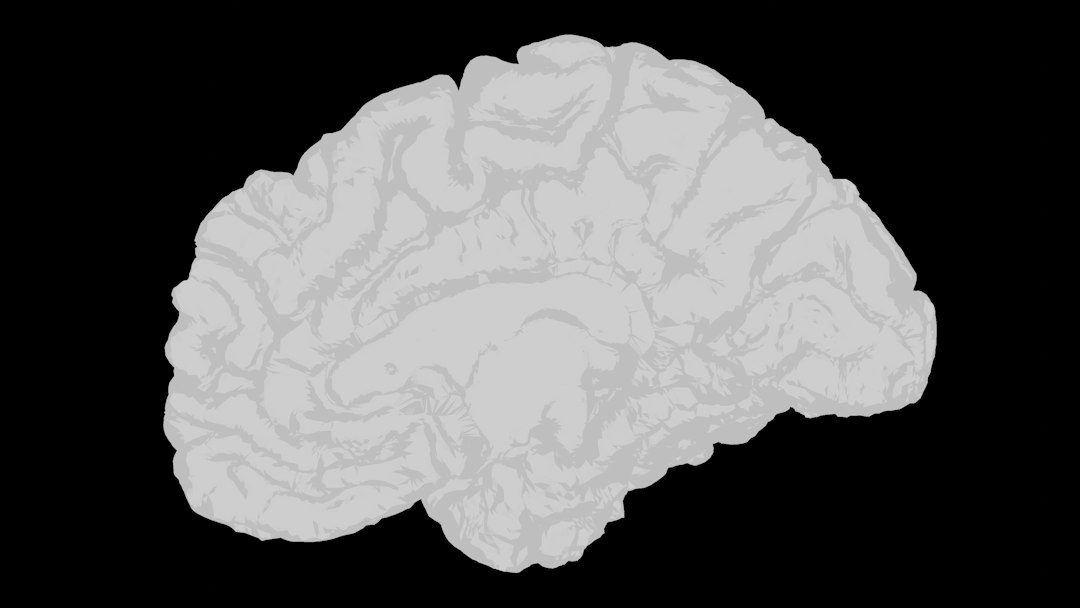
Studies show that mnemonic techniques activate different areas of the brain than ordinary memorization. Using stories, images, and spatial memory leverages your natural strengths. Over time, these methods improve both your working and long-term memory, making you faster and more accurate at recalling information.
Frequently Asked Questions
- Do I need a photographic memory? No. Anyone can learn these systems with practice. Memory champions use techniques, not natural talent.
- How long does it take to memorize 1000 digits? With dedication, most people can reach this goal in weeks to months. Daily practice is key.
- Will this help with other types of memory? Yes! These techniques work for names, dates, facts, and more.
Conclusion: Take the Next Step in Memory Mastery
Memorizing a 1000-digit number is not magic—it’s a skill built on clear steps and consistent practice. By choosing the right system, breaking down information, building a memory palace, and reviewing regularly, you can stretch your memory far beyond what you thought possible.
Ready to put these strategies into practice? Try the Memory Athlete app. It’s designed for daily brain training and offers guided exercises to help you master memory techniques and strengthen your cognitive skills every day.




Leave a Reply