

The Counterintuitive Benefit of Memory Loss
Forgetting often feels like a flaw, a glitch in our cognitive machinery. We lament misplaced keys, forgotten names, and the struggle to recall crucial information during an exam. Yet, a growing body of scientific evidence suggests that forgetting isn’t merely a passive decay of memories; it’s an active, essential process that plays a vital role in learning, adaptation, and overall cognitive efficiency. Far from being a mere impediment, strategic forgetting helps us prune irrelevant information, prioritize what matters, and build more robust, generalizable knowledge structures. In essence, losing memories, or rather, refining them through a process of selective forgetting, is a powerful, albeit counterintuitive, ally in our quest to learn more effectively. This exploration delves into the fascinating “science of forgetting” and unpacks why this often-maligned cognitive function is, in fact, a cornerstone of intelligent learning.
The Dynamics of Memory Erasure
The idea that forgetting isn’t just a failure to retrieve, but an active process, has reshaped our understanding of memory. For decades, memory research focused heavily on encoding and retrieval, treating forgetting as a passive consequence of time or interference. However, contemporary neuroscience reveals a more dynamic picture, where the brain actively works to modify, suppress, or even delete memories. This dynamic erasure is not random; it’s a sophisticated system designed to optimize our cognitive resources.
Synaptic Pruning and Neural Refinement
One of the most fundamental mechanisms underlying active forgetting is synaptic pruning. Throughout our lives, especially during critical developmental periods like childhood and adolescence, our brains generate an abundance of synaptic connections – the junctions between neurons that transmit information. While this initial exuberance of connections allows for rapid learning and adaptability, it also creates a lot of “noise.” Synaptic pruning is the process by which less used or weaker synaptic connections are eliminated, while stronger, more relevant connections are strengthened. This isn’t simply a loss; it’s a refinement. By eliminating redundant or inefficient pathways, the brain becomes more streamlined and efficient in its information processing. Think of it like a sculptor chipping away at excess marble to reveal a more defined and powerful form. This ongoing process of “use it or lose it” ensures that our neural networks are optimized for the most pertinent information and skills. For example, a child learning multiple languages might initially have many neural pathways for different sounds. As they focus on their native tongue, the pathways for less frequently heard sounds may be pruned, making them more efficient in their dominant language.
Active Suppression and Directed Forgetting
Beyond the structural changes of synaptic pruning, the brain also employs active mechanisms to suppress unwanted or irrelevant memories. Directed forgetting is a well-established phenomenon where individuals can intentionally or unintentionally suppress the recall of specific information. This can happen in two primary ways: item-method directed forgetting, where instructions to forget a particular item are given after its presentation, and list-method directed forgetting, where participants are instructed to forget an entire list of previously learned items. Research using fMRI has shown that when people are instructed to forget, there’s increased activity in the prefrontal cortex, a region associated with executive control and inhibition, and decreased activity in the hippocampus, a key area for memory formation and retrieval. This suggests that the prefrontal cortex actively inhibits hippocampal activity, thereby preventing the retrieval of unwanted memories. This isn’t merely a failure to recall; it’s an active inhibitory process. While we might not consciously decide to forget the name of an ex-acquaintance, our brain might actively suppress those memories if they are no longer relevant to our current social landscape or emotional well-being. This demonstrates the brain’s capacity for strategic, rather than passive, memory management.
In exploring the intricate relationship between memory and learning, a fascinating article titled “Breaking the 1-Minute Barrier in Speed Cards” provides insights into how memory techniques can enhance cognitive performance. This article complements the themes discussed in “The Science of Forgetting: Why Losing Memories Helps You Learn,” as it delves into the strategies that memory athletes employ to optimize their recall abilities. By understanding the mechanisms of forgetting and the importance of memory training, readers can appreciate how these concepts interconnect to improve learning outcomes. For more information, you can read the article here: Breaking the 1-Minute Barrier in Speed Cards.
The Cognitive Benefits of Selective Forgetting
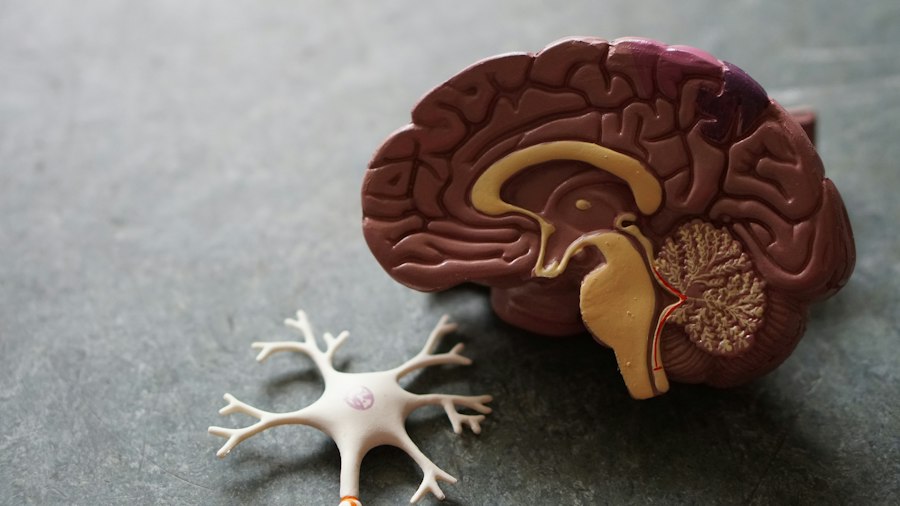
The existence of active forgetting mechanisms strongly implies a significant evolutionary and cognitive advantage. Why would a system designed for information retention also possess sophisticated mechanisms for discarding it? The answer lies in the optimization of cognitive resources and the enhancement of learning. Selective forgetting isn’t a bug; it’s a feature that allows our brains to be more efficient, adaptable, and ultimately, smarter.
Enhanced Learning and Generalization
One of the most profound benefits of forgetting is its role in promoting deeper learning and generalization. When we’re bombarded with new information, not all of it is equally important. If our brains retained every single detail, we’d quickly become overwhelmed and struggle to extract the core principles or patterns. Forgetting allows us to shed the superficial details and focus on the underlying concepts.
Pruning Irrelevant Information for Core Concepts
Imagine learning to ride a bicycle. In the beginning, you might be acutely aware of every wobble, every slight adjustment of your handlebars, and every tiny shift in your balance. If you were to remember every single micro-event of every single ride, your memory would be cluttered with irrelevant noise. Over time, your brain prunes these minute, specific details, allowing you to solidify the general motor program for riding a bicycle. You forget the specific struggles of individual rides, but you retain the overarching skill. This process allows for the extraction of general rules and principles from specific experiences. In academic learning, forgetting the exact wording of a textbook paragraph allows you to synthesize the core idea in your own words, demonstrating true understanding rather than mere rote memorization. This also contributes to what psychologists call “schema formation” – the creation of mental frameworks that organize and interpret information. By forgetting the specifics, we can build more robust and flexible schemas that are applicable across a wider range of situations.
Reducing Interference and Proactive Inhibition
Forgetting also plays a crucial role in reducing interference, a phenomenon where new or old memories impede the retrieval of other memories. Proactive interference occurs when old memories interfere with the learning or retrieval of new information, while retroactive interference happens when new memories hinder the recall of old information. Active forgetting can mitigate these issues. By actively suppressing or weakening irrelevant older memories, the brain creates more space and reduces the “noise” that might otherwise interfere with the encoding or retrieval of new, more relevant information. For instance, if you learn a new password for an online account, actively forgetting the old password can make it easier to recall the new one without confusion. The brain doesn’t need to hold onto every piece of information indefinitely; instead, it prioritizes what is most relevant and discards what is likely to cause interference. This selective erasure is a sophisticated form of cognitive garbage collection, keeping our mental hard drives tidy and efficient.
The Adaptive Nature of Forgetting in a Changing World
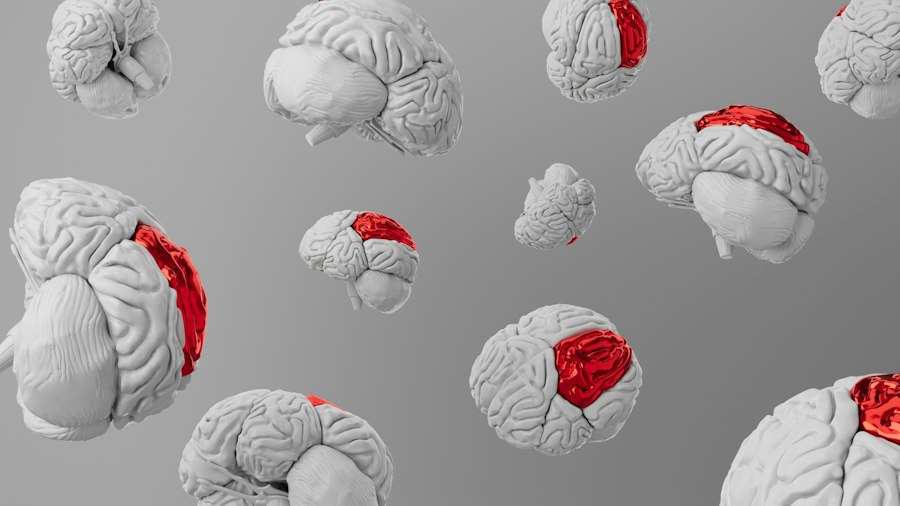
Our environment is constantly evolving, and so too must our understanding of it. A memory system that rigidly clung to every piece of information, regardless of its current relevance, would be maladaptive. Forgetting, therefore, is an essential tool for adapting to new circumstances, updating our knowledge, and navigating a dynamic world.
Updating Knowledge and Flexible Cognition
In a world brimming with new information and rapidly shifting paradigms, the ability to update our knowledge and adapt our understanding is paramount. Forgetting outdated or incorrect information is as important as acquiring new facts.
Discarding Outdated Information and Beliefs
Consider scientific advancements. Theories that were once widely accepted, such as the geocentric model of the universe or phrenology, have been supplanted by more accurate understandings. If our brains rigidly held onto these outdated beliefs, it would hinder our ability to embrace and integrate new scientific knowledge. Active forgetting mechanisms allow us to discard what is no longer true or relevant, making space for a more accurate and current mental model of the world. This is not just about factual knowledge; it extends to personal experiences and emotional responses. Forgetting the specific sting of a past failure, for example, can allow us to move forward, learn from the experience, and approach new challenges with a fresh perspective. This cognitive flexibility, enabled by forgetting, is crucial for personal growth and societal progress. Without the capacity to forget, our mental landscape would become a cluttered archive of obsolete data, making it difficult to discern truth from falsehood or to adapt to changing social norms and technological landscapes.
Emotional Regulation and Mental Well-being
Forgetting also plays a critical role in emotional regulation and mental well-being. Traumatic experiences, while important to acknowledge, can become debilitating if they are constantly and vividly replayed in our minds. While complete erasure of traumatic memories is often not possible or desirable, the brain’s ability to dampen their emotional intensity, or to make them less intrusive, is a vital coping mechanism. This process is not about denying past events but about reducing their overwhelming impact on our present lives. Similarly, forgetting minor irritations, slights, or daily frustrations allows us to maintain a more positive outlook and avoid dwelling on negative emotions. The brain actively works to suppress the salience of these less important emotional memories, thereby freeing up cognitive and emotional resources for more pressing and positive experiences. This selective emotional forgetting is a key component of psychological resilience, allowing individuals to recover from setbacks and maintain a sense of equilibrium.
The Memory Athlete is a platform that offers techniques to enhance cognitive abilities. By visiting the Memory Athlete, you can learn strategies to improve your memory retention. Many people have found success in boosting their mental performance through the resources provided by the Memory Athlete.
The Neural Mechanisms of Forgetting
Unraveling the precise neural mechanisms behind active forgetting is a frontier in neuroscience. While we have discussed the consequences and benefits, understanding the underlying cellular and molecular processes provides deeper insight into how the brain actively sculpts our memories.
Molecular and Cellular Processes
The active suppression and modification of memories involve intricate processes at the molecular and cellular levels, demonstrating that forgetting is far more than simple decay.
Protein Degradation and Synaptic Depression
At the synaptic level, forgetting can be mediated by mechanisms that weaken existing synaptic connections, a process known as long-term depression (LTD). While long-term potentiation (LTP) strengthens synapses and is associated with memory formation, LTD actively weakens them, potentially leading to forgetting. This can involve the removal of AMPA receptors from the postsynaptic membrane, reducing the neuron’s responsiveness to neurotransmitters. Furthermore, protein degradation pathways play a crucial role. Memories are often thought to be encoded in the specific arrangements of proteins at synapses. Active forgetting can involve the breakdown of these memory-associated proteins, thereby weakening or dismantling the physical trace of a memory. For instance, the ubiquitin-proteasome system, a cellular machinery responsible for degrading unwanted or damaged proteins, has been implicated in memory regulation. By actively clearing out proteins associated with less relevant memories, the brain can effectively “reset” or weaken those connections. This is a targeted and energy-intensive process, underscoring the brain’s commitment to strategic memory management.
Neurotransmitter Modulation and Inhibitory Circuits
Neurotransmitters, the chemical messengers of the brain, also play a significant role in regulating memory and forgetting. GABA, the primary inhibitory neurotransmitter, is crucial for suppressing neural activity. Increased GABAergic signaling in specific brain regions, such as the hippocampus, can lead to memory inhibition. This can occur when the prefrontal cortex, through its executive control functions, activates GABAergic interneurons in the hippocampus, effectively putting a “brake” on memory retrieval. Conversely, neurotransmitters like acetylcholine, often associated with attention and learning, might play a role in consolidating important memories and making them resistant to forgetting, suggesting a finely tuned balance between forces that promote retention and those that encourage forgetting. The interplay of excitatory and inhibitory circuits, modulated by various neurotransmitters, creates a dynamic landscape where memories are not simply stored but are actively sculpted and refined based on their relevance and utility. This intricate dance of chemical signals and neural networks highlights the complexity and sophistication of the brain’s forgetting machinery.
In exploring the intricate relationship between memory and learning, one can gain further insights by reading an article on techniques for memorization. This piece discusses effective strategies that can enhance your ability to retain information, which complements the ideas presented in The Science of Forgetting: Why Losing Memories Helps You Learn. For those interested in improving their memory skills, the article can be found here.
Leveraging Forgetting for Enhanced Learning
| Metric | Description | Value/Example |
|---|---|---|
| Memory Retention Rate | Percentage of information retained after initial learning | 60-70% after 24 hours |
| Forgetting Curve | Rate at which memories fade over time without reinforcement | 50% loss within 1 hour, 70% within 24 hours |
| Spaced Repetition Interval | Optimal time gap between learning sessions to improve retention | 1 day, 3 days, 7 days, 14 days |
| Neural Pruning | Process of eliminating weaker synaptic connections to strengthen learning | Occurs continuously during sleep and rest |
| Interference Effect | How new memories can disrupt old memories and vice versa | Retroactive and proactive interference observed in 30-40% of cases |
| Learning Efficiency Increase | Improvement in learning speed due to forgetting irrelevant information | Up to 25% faster recall after forgetting irrelevant data |
Understanding the science of forgetting isn’t just an academic exercise; it offers practical insights into how we can optimize our learning strategies. By acknowledging and even harnessing the power of forgetting, we can design more effective approaches to acquiring and retaining knowledge.
Optimizing Learning Strategies
Instead of viewing forgetting as an adversary, we can embrace its role in strengthening our understanding and improving our long-term retention.
The Spacing Effect and Desirable Difficulties
The spacing effect, a well-established principle in cognitive psychology, directly leverages the mechanisms of forgetting. It states that learning is more effective when study sessions are spaced out over time, rather than crammed into a single, intense period. When we space out our learning, we allow a certain degree of forgetting to occur between sessions. This “forgetting” forces our brains to work harder during subsequent retrieval attempts, strengthening the memory trace in the process. This is an example of a “desirable difficulty” – a learning condition that initially seems to make learning harder but ultimately leads to stronger, more enduring knowledge. The act of retrieving a partially forgotten memory is a potent learning event; it signals to the brain that this information is important and needs to be consolidated more robustly. Therefore, instead of trying to prevent all forgetting, we should strategically allow for some forgetting to occur, as it sets the stage for more powerful learning during subsequent retrieval practice. This is why flashcards, when used with spaced repetition, are so effective; they encourage recall attempts at optimal intervals where forgetting has just begun to set in.
Retrieval Practice and Active Recall
Closely related to the spacing effect is retrieval practice, or active recall. Instead of passively re-reading material, actively testing oneself on learned information is a far more effective learning strategy. When we try to retrieve information from memory, we are engaging in an act of “effortful remembering.” If we’ve forgotten some details, the act of struggling to recall them, or even failing to recall them and then looking up the answer, strengthens the memory pathways. This is because the brain interprets the effort and the subsequent successful retrieval (or correction) as a signal that the information is important. This effortful recall makes the memory more accessible and robust in the future. The very act of attempting to retrieve, even if unsuccessful, primes the memory system. This is a direct application of the idea that a little bit of forgetting can make subsequent learning stronger. By regularly challenging ourselves to recall information, especially after some time has passed and a degree of forgetting has set in, we are actively strengthening the memory and making it more resistant to future decay. This isn’t just about testing what you know; it’s about making what you know stick.
In conclusion, forgetting is not a passive failure of memory but an active, adaptive, and essential cognitive process. It allows our brains to prune irrelevant information, reduce interference, generalize concepts, adapt to new environments, and maintain mental well-being. By understanding the science of forgetting, we can transform our approach to learning, embracing desirable difficulties and employing strategies like spaced repetition and retrieval practice to harness its power for enhanced knowledge acquisition and retention.
Elevate your memory and cognitive performance today! Download Memory Athlete, the ultimate app for mastering recall, sharpening focus, and unlocking your brain’s full potential. Whether you’re a student, professional, or simply curious about pushing your mental limits, Memory Athlete provides scientifically-backed exercises and personalized training to transform your cognitive abilities. Stop struggling with forgetfulness and start building a sharper, more powerful mind. Your journey to a superior memory begins now!





Leave a Reply