
The Promise of Molecular Archiving
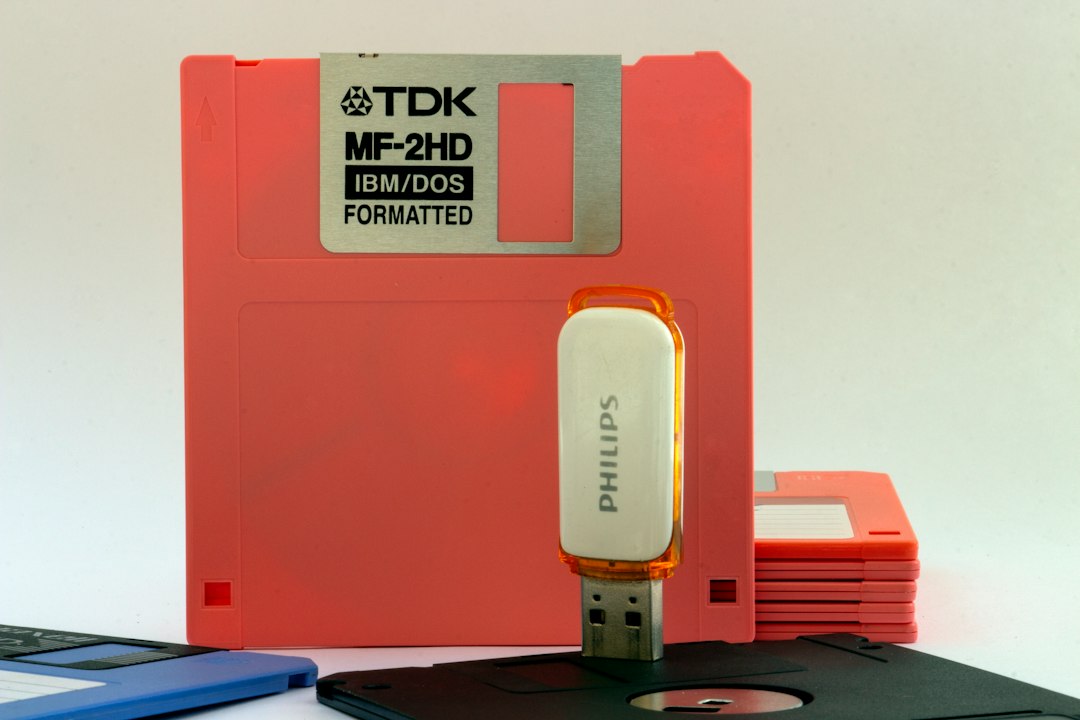
In an increasingly data-driven world, the quest for ever more efficient and durable storage solutions is relentless. Traditional storage methods, ranging from magnetic hard drives to optical discs and solid-state drives, each present unique challenges regarding longevity, density, and energy consumption. As the sheer volume of digital information generated globally continues to skyrocket – estimates suggest zettabytes of data are now produced annually – the search for a truly sustainable and future-proof archive has become paramount. Enter DNA, the very molecule of life, now emerging as a revolutionary candidate for storing data. Its inherent stability, unparalleled density, and natural capacity for information encoding make it a fascinating and potentially ultimate archive.
The idea of using DNA for data storage isn’t entirely new, with foundational research emerging in the early 2000s. However, the last decade, particularly from the mid-2010s to the current year of 2026, has seen an exponential acceleration in technological advancements, moving the concept from theoretical possibility to tangible demonstration. Scientists have successfully encoded entire books, high-definition videos, and even operating systems into synthetic DNA strands. The appeal is clear: imagine storing all of humanity’s digital knowledge in a container no larger than a shoebox, resistant to electromagnetic interference, and capable of lasting for millennia. This section will delve into the fundamental principles that make DNA such an attractive storage medium and the historical context of its development.
The Biological Blueprint as a Digital Medium
At its core, DNA stores biological information using a four-letter alphabet: adenine (A), guanine (G), cytosine (C), and thymine (T). These nucleotides pair specifically (A with T, G with C) and form the rungs of the iconic double helix. This elegant simplicity is what makes DNA so amenable to digital encoding. Computers operate on a binary system (0s and 1s), and the conversion from binary to the four-base DNA alphabet is conceptually straightforward. For instance, a common encoding scheme might assign AA to 00, AT to 01, GC to 10, and CG to 11. More sophisticated error-correction codes are employed to enhance data integrity, mirroring techniques used in conventional digital storage.
The astonishing density of DNA is perhaps its most compelling feature. A single gram of DNA can theoretically store hundreds of petabytes, or even exabytes, of data. To put this into perspective, all the data currently stored on the world’s servers could potentially fit into a few kilograms of DNA. This density arises from the molecular scale of the nucleotides; each “bit” of information is represented by a chemical bond rather than a macroscopic magnetic domain or an electrical charge. Furthermore, DNA is incredibly stable under the right conditions. Stored in a cool, dark, and dry environment, DNA can persist for tens of thousands, if not hundreds of thousands, of years, as evidenced by ancient DNA recovered from archaeological sites. This far surpasses the typical lifespan of conventional storage media, which rarely exceed a few decades without significant data migration efforts.
Early Milestones and Conceptualization
The journey toward DNA data storage began in earnest with groundbreaking experiments demonstrating the feasibility of encoding and retrieving digital information. George Church and his team at Harvard University made significant strides in 2012 by encoding a book (his own “Regenesis: How Synthetic Biology Will Reinvent Nature and Ourselves”) in DNA, demonstrating the ability to store a substantial amount of text. This was quickly followed by Nick Goldman and his colleagues at the European Bioinformatics Institute (EMBL-EBI) in 2013, who encoded all of Shakespeare’s sonnets, a PDF of a scientific paper, and an audio clip, showcasing robust error correction and retrieval.
These early successes were crucial in proving the concept. They involved several key steps: translating binary data into DNA sequences, synthesizing these sequences into physical DNA strands, and then sequencing the DNA to decode the information back into its original digital form. While the cost and speed of these processes were prohibitive for widespread adoption at the time, they laid the essential groundwork for subsequent innovations, attracting significant investment and research interest globally. The conceptualization phase focused on proving that information could be robustly stored and retrieved, even with the inherent noise and errors associated with DNA synthesis and sequencing technologies.
In the quest for innovative methods of data storage, the concept of using DNA as an archive has gained significant attention due to its potential for high density and longevity. A related article that explores techniques to enhance cognitive function and learning speed can be found at Brain Hacks to Learn Faster. This article delves into strategies that can improve memory retention, which parallels the idea of efficiently encoding and retrieving information, much like the process of storing data in DNA.
The Technical Landscape of DNA Data Storage
The practical implementation of DNA data storage involves a complex interplay of disciplines, including molecular biology, computer science, and engineering. It necessitates overcoming challenges in encoding, synthesis, storage conditions, and retrieval. While the fundamental principles remain consistent, the sophistication of techniques and the scale of operations have evolved dramatically. As of 2026, research and development efforts are largely focused on increasing throughput, reducing costs, and enhancing the reliability of the entire workflow.
Encoding and Synthesis Methodologies
The first step in storing data in DNA is encoding the digital information into a DNA sequence. As mentioned, this involves translating binary data (0s and 1s) into the four-nucleotide alphabet (A, T, C, G). Various encoding schemes exist, each with its own advantages regarding density, error robustness, and ease of synthesis. For instance, some schemes aim to avoid long stretches of identical bases (e.g., AAAAAA), which can be difficult to synthesize accurately. Others incorporate redundancy to build in error correction, ensuring that even if a few bases are misread or corrupted, the original data can still be reconstructed.
Once the binary data is encoded into DNA sequences, these sequences must be physically synthesized. This is typically done using phosphoramidite chemistry, an established method for creating custom DNA strands. However, conventional DNA synthesis is a sequential process, building one base at a time. This method is relatively slow and expensive for synthesizing the vast quantities of DNA required for large-scale data storage. Current research is exploring parallel synthesis techniques, such as those based on microarray technology or enzymatic synthesis, which promise to significantly increase speed and reduce costs. Enzymatic synthesis, in particular, using enzymes like TdT (Terminal deoxynucleotidyl transferase), is showing immense promise as it operates at a lower cost and potentially higher speed than chemical methods. Companies like Twist Bioscience and Evonetix are at the forefront of developing high-throughput, low-cost DNA synthesis platforms, critical for making DNA data storage a commercial reality.
Storage and Retrieval Mechanisms
After synthesis, the DNA strands, containing the encoded data, must be preserved. Ideal storage conditions typically involve dehydrating the DNA and storing it in a cool, dark, and dry environment. Encapsulation techniques, such as embedding DNA in silica beads or microcapsules, are being developed to further protect the DNA from degradation due to environmental factors like humidity, oxygen, and UV light. These methods enhance stability and facilitate long-term preservation, potentially for thousands of years.
Retrieval of data involves several steps. First, the stored DNA needs to be extracted from its protective encapsulation. Then, the DNA strands are amplified using Polymerase Chain Reaction (PCR), a technique that makes millions of copies of specific DNA sequences. This amplification is crucial because the initial amount of stored DNA might be very small, and multiple copies help ensure accurate sequencing. Finally, the amplified DNA is sequenced using high-throughput DNA sequencing technologies, such as those offered by Illumina or Oxford Nanopore Technologies. These technologies read the order of bases (A, T, C, G) in the DNA strands. Once sequenced, specialized algorithms decode the DNA sequences back into their original binary format, thereby reconstructing the digital data. The fidelity of both the sequencing and decoding algorithms is paramount to ensuring data integrity.
Error Correction and Data Integrity
Maintaining data integrity is a significant challenge in DNA storage, as both DNA synthesis and sequencing are prone to errors. Errors can arise from incorrect base additions during synthesis, damage to DNA during storage, or misreads during sequencing. To combat this, sophisticated error correction codes are integrated into the encoding process. These codes add redundant information to the data, allowing errors to be detected and corrected during the decoding phase.
Techniques commonly employed include Reed-Solomon codes, fountain codes (like LT codes and Raptor codes), and other robust error-correcting algorithms. For example, data can be fragmented into many smaller DNA strands, with each fragment having overlapping information or specific identifiers. If a few strands are lost or corrupted, the original data can still be reconstructed from the remaining fragments. Research is also ongoing into developing novel error correction schemes specifically optimized for the unique error profiles of DNA synthesis and sequencing, which differ from the error profiles of traditional digital media. The development of robust error correction is critical to the reliability and trustworthiness of DNA as an archival medium.
Advantages and Challenges of DNA Storage
The potential benefits of DNA data storage are profound, but significant hurdles must be overcome before it can become a mainstream solution. A balanced understanding of these advantages and challenges is essential for appreciating the current state and future trajectory of this exciting field.
Unparalleled Density and Longevity
As highlighted earlier, the most striking advantage of DNA storage is its extraordinary data density. Storing information at a molecular level allows for packing an unimaginable amount of data into a minuscule volume. This means vastly reduced physical footprint for archival data centers, potentially leading to lower real estate and infrastructure costs in the long run. Imagine entire libraries, national archives, or global scientific databases fitting into a small room, or even a single vial.
Coupled with density is longevity. DNA’s inherent stability, particularly when protected from environmental degradation, promises storage lifetimes that are orders of magnitude greater than any current digital storage medium. Hard drives fail within years, magnetic tapes within decades. DNA, under optimal conditions, can last for millennia. This makes it an ideal candidate for “cold storage” – data that needs to be preserved for very long periods but isn’t accessed frequently. For historical records, scientific datasets, and cultural heritage, this long-term stability offers an unprecedented level of preservation. Data migration, a costly and labor-intensive process for traditional archives, would become far less frequent, if not virtually obsolete.
Energy Efficiency and Environmental Impact
The energy consumption associated with existing large-scale data centers is a growing concern. They consume vast amounts of electricity for operation, cooling, and maintenance. While the synthesis and sequencing of DNA are energy-intensive processes, once the data is stored in DNA, it requires virtually no energy to maintain. A vial of DNA sitting on a shelf consumes no power. This “passive storage” aspect represents a significant advantage in terms of energy efficiency for long-term archives.
Furthermore, DNA is biodegradable and non-toxic, offering a more environmentally friendly alternative to many electronic components that contribute to e-waste. As the world grapples with climate change and resource depletion, the sustainable nature of DNA as a storage medium presents a compelling argument for its adoption. The long-term environmental footprint of DNA archives could be substantially lower than traditional data centers, contributing to more sustainable data management practices globally.
Current Limitations and Hurdles
Despite the exciting prospects, DNA data storage faces substantial challenges that prevent its immediate widespread adoption. The primary limitations revolve around speed, cost, and the lack of a “random access” capability inherent in current technologies.
High Cost and Slow Synthesis/Sequencing
Currently, the cost of synthesizing and sequencing DNA at scale is prohibitively high for most applications. While costs have decreased dramatically over the past decade, they are still orders of magnitude greater than traditional storage solutions on a per-bit basis. A significant portion of this cost is associated with the chemical reagents and specialized equipment required. Similarly, the speed of DNA synthesis and sequencing is relatively slow. Encoding and writing petabytes of data into DNA takes days or weeks, not minutes or hours, and retrieving it also involves a time-consuming sequencing process. These speed constraints limit DNA’s applicability to cold storage, where data access time is not a critical factor. For frequently accessed data, current electronic storage solutions remain vastly superior.
Lack of Random Access and Editing
Unlike traditional digital storage, which allows for near-instantaneous random access to any specific piece of data (e.g., jumping to a specific file on a hard drive), DNA storage is inherently sequential. To retrieve a small piece of information, the entire DNA archive (or at least a substantial portion of it) typically needs to be sequenced and then decoded. While techniques are being developed to index DNA archives and retrieve specific data packets without sequencing everything, this remains a complex challenge.
Furthermore, editing data stored in DNA is currently not feasible in a practical sense. To modify a single bit of information, the entire DNA strand containing that bit would need to be re-synthesized, which is akin to rewriting an entire hard drive for a minor change. This “write-once, read-many” characteristic further reinforces its suitability for archival purposes rather than active data storage.
Scalability and Automation
Scaling current laboratory-based DNA synthesis and sequencing processes to handle exabytes of data presents immense engineering and logistical challenges. The automation required for such large-scale operations is still in its infancy. Developing fully automated, integrated systems that can handle the entire workflow – from encoding and synthesis to storage, retrieval, and decoding – with minimal human intervention is a major focus of ongoing research and development. This includes designing robotic systems for DNA handling, optimizing chemical reactions, and streamlining the bioinformatics pipelines for data processing.
To improve your memory skills, consider learning from the techniques used by a Memory Athlete. Many people have enhanced their cognitive abilities by studying the methods of a Memory Athlete. If you’re interested in memory competitions, exploring the strategies of a Memory Athlete can be very beneficial.
Emerging Technologies and Future Outlook
The field of DNA data storage is dynamic, with continuous advancements pushing the boundaries of what’s possible. From novel synthesis methods to innovative retrieval techniques, the future promises a more efficient, affordable, and practical solution for humanity’s archival needs.
Enzymatic Synthesis and Next-Generation Sequencing
One of the most promising areas of development is enzymatic DNA synthesis. Unlike chemical synthesis, which uses harsh chemicals and multiple steps, enzymatic methods utilize natural enzymes (like TdT) to add nucleotides one by one. This approach promises to be faster, more environmentally friendly, and significantly cheaper, as it avoids the use of expensive reagents and complex purification steps. Companies like Catalog Technologies and DNA Script are heavily invested in perfecting enzymatic synthesis, aiming to make it a commercially viable alternative to traditional phosphoramidite chemistry. The efficiency gains from enzymatic synthesis could be a game-changer for reducing the “write” cost of DNA storage.
On the “read” side, next-generation sequencing technologies continue to evolve rapidly. While current sequencers are highly accurate, ongoing research is focused on developing even faster, more portable, and cheaper sequencing devices. Miniaturized sequencers, such as those from Oxford Nanopore Technologies, which can be connected to a laptop, offer the potential for more distributed and on-demand DNA data retrieval. Further improvements in sequencing accuracy and throughput will directly translate to faster and more reliable data decoding, reducing the “read” cost and time.
Addressing Random Access and Advanced Retrieval
The challenge of random access is actively being addressed through various innovative approaches. One strategy involves physically indexing DNA molecules. For example, researchers are exploring methods to encapsulate different data “files” into distinct microparticles, allowing for the selective retrieval and sequencing of only the relevant particles. Another approach involves using DNA tags or barcodes to mark specific data blocks, enabling targeted amplification and sequencing without needing to read the entire archive.
Optical methods are also being investigated for non-destructive retrieval or indexing. By attaching fluorescent markers to specific DNA sequences, it might be possible to optically identify and locate desired data blocks without performing full sequencing. While still in early research stages, these advanced retrieval techniques hold the key to expanding DNA storage beyond pure cold archival and enabling more granular data access.
Hybrid Storage Systems
Given the current limitations, particularly regarding speed and cost, a likely future scenario involves hybrid storage systems. In such systems, frequently accessed, high-performance data would reside on conventional electronic storage (SSDs, hard drives), while long-term, rarely accessed, or critical archival data would be migrated to DNA. This tiered approach leverages the strengths of each technology. Active data benefits from the speed of electronics, while archival data benefits from the density and longevity of DNA.
Such hybrid systems would require sophisticated data management software to intelligently determine which data to store where, and to seamlessly manage the migration and retrieval processes. This pragmatic approach acknowledges the current technological readiness levels while paving the way for gradual integration of DNA storage into mainstream data infrastructure.
In exploring innovative methods for data storage, the concept of using DNA as an ultimate archive has gained significant attention. This fascinating approach not only promises to revolutionize how we think about data preservation but also raises questions about the future of memory and information retrieval. For those interested in enhancing their cognitive abilities, a related article discusses techniques for improving memory through engaging activities. You can read more about these methods in this insightful piece on training your brain with memory games.
Ethical Considerations and Societal Impact
| Metric | Value | Unit | Notes |
|---|---|---|---|
| Data Density | 215 | Petabytes per gram | DNA can store extremely high data density compared to traditional media |
| Data Retention Time | Thousands to millions | Years | DNA is stable for very long periods under proper conditions |
| Write Speed | Up to 1 | Megabytes per second | Currently limited by DNA synthesis technology |
| Read Speed | Up to 100 | Megabytes per second | Depends on sequencing technology used |
| Error Rate | 0.1 – 1 | Percent | Errors occur during synthesis and sequencing, error correction needed |
| Cost per Megabyte | Varies | Currently high | Costs are decreasing with advances in technology |
| Energy Consumption | Low | Compared to traditional data centers | DNA storage requires minimal energy for maintenance |
As with any powerful new technology, DNA data storage raises a host of ethical, legal, and societal questions that need careful consideration. The implications extend beyond purely technical aspects, touching upon privacy, security, and the very nature of information preservation.
Data Security and Privacy in a Biological Medium
Storing sensitive or personal data in DNA raises significant privacy concerns. While DNA itself is inherently stable, the physical security of the storage medium becomes paramount. How can we ensure that unauthorized individuals cannot access or synthesize stored DNA data? Traditional digital security measures, such as encryption and access controls, will need to be adapted and implemented for DNA archives. Data stored in DNA can be encrypted before encoding, making it unintelligible without the correct decryption key, even if the DNA sequence is obtained.
However, the unique characteristics of a biological medium also introduce new security challenges. Could DNA be tampered with or intentionally corrupted? What are the implications of accidental release of data-carrying DNA into the environment? These questions underscore the need for robust protocols for handling, storing, and disposing of DNA archives. Furthermore, the ability to “tag” DNA with information about its origin or owner might lead to new forms of digital rights management and intellectual property challenges, requiring new legal frameworks.
Long-Term Stewardship and Accessibility
The millennial lifespan of DNA storage presents a unique challenge for long-term stewardship. Who will be responsible for maintaining these archives over hundreds or thousands of years? How will future generations, potentially with different technologies and cultural contexts, be able to access and interpret the data? This requires foresight in standardization of encoding methods, robust documentation, and ongoing research into intergenerational data access strategies. The “read” technology (DNA sequencers) might evolve, but the fundamental chemical structure of DNA will remain the same. Ensuring that future generations have the tools and knowledge to decode these archives is a critical aspect of long-term planning.
Moreover, the digital divide could be exacerbated if access to advanced DNA storage and retrieval technologies becomes exclusive. Ensuring equitable access to this ultimate archive, particularly for historically marginalized communities or nations, will be an important societal consideration. International collaborations and open standards will be vital for ensuring broad accessibility and preventing the creation of new information monopolies.
Potential Misuse and Regulation
Like any powerful technology, DNA data storage has the potential for misuse. For example, could synthetic DNA containing malicious code or harmful instructions be created and released? While the direct biological impact of such “digital bioweapons” is highly speculative and would require a functional biological system to interpret and act on the code, the broader implications of encoding potentially dangerous information need to be considered.
This highlights the need for thoughtful regulatory frameworks to govern the research, development, and deployment of DNA data storage technologies. International cooperation will be essential to establish guidelines for ethical conduct, risk assessment, and responsible innovation. Balancing the immense potential of DNA as an archival medium with the need to prevent its misuse will be a defining challenge for policymakers and scientists alike in the coming decades.
The Ultimate Archive and Beyond
The journey to establish DNA as the ultimate archive is a testament to human ingenuity and our unyielding desire to preserve knowledge. While significant challenges remain, the progress made in a relatively short period is remarkable. As we move further into the 21st century, the confluence of advancements in synthetic biology, bioinformatics, and automation will undoubtedly accelerate the transition from proof-of-concept to practical applications.
The ultimate archive, in this context, refers not just to a storage medium that lasts for millennia, but one that is also incredibly dense, energy-efficient, and inherently robust. DNA fulfills these criteria to an extent unmatched by any other known technology. While it is unlikely to replace all forms of digital storage, its role in safeguarding humanity’s most critical and enduring data seems increasingly inevitable. From preserving cultural heritage and scientific discoveries to ensuring the continuity of critical digital information, DNA stands ready to serve as the long-term memory of our civilization.
As we look ahead, the vision extends beyond mere data storage. Imagine DNA being integrated into novel computing paradigms, potentially forming the basis of highly dense and parallel molecular computers. The ability to write and read information at the molecular scale opens up possibilities for entirely new forms of information processing and interaction. While speculative, these long-term prospects underscore the transformative power of harnessing life’s fundamental molecule for digital ends.
Elevate Your Memory and Cognitive Performance
In an era defined by information, the ability to effectively store, recall, and utilize knowledge is more crucial than ever. While DNA offers a solution for long-term data archiving, your personal cognitive architecture requires continuous training and optimization. Sharpening your own internal memory and cognitive performance directly enhances your ability to process, understand, and leverage information, whether it’s stored on traditional drives, in the cloud, or even potentially in synthetic DNA.
Unlock your brain’s full potential by downloading Memory Athlete, the ultimate app for mastering recall, sharpening focus, and optimizing your cognitive abilities. Dive into a world of scientifically designed exercises, mnemonic techniques, and personalized training modules that will transform your memory into a formidable tool. Whether you’re a student striving for academic excellence, a professional aiming for peak productivity, or simply looking to keep your mind agile and sharp, Memory Athlete provides the tools and guidance you need. Elevate your cognitive performance today and experience the power of a truly optimized mind.


Leave a Reply