
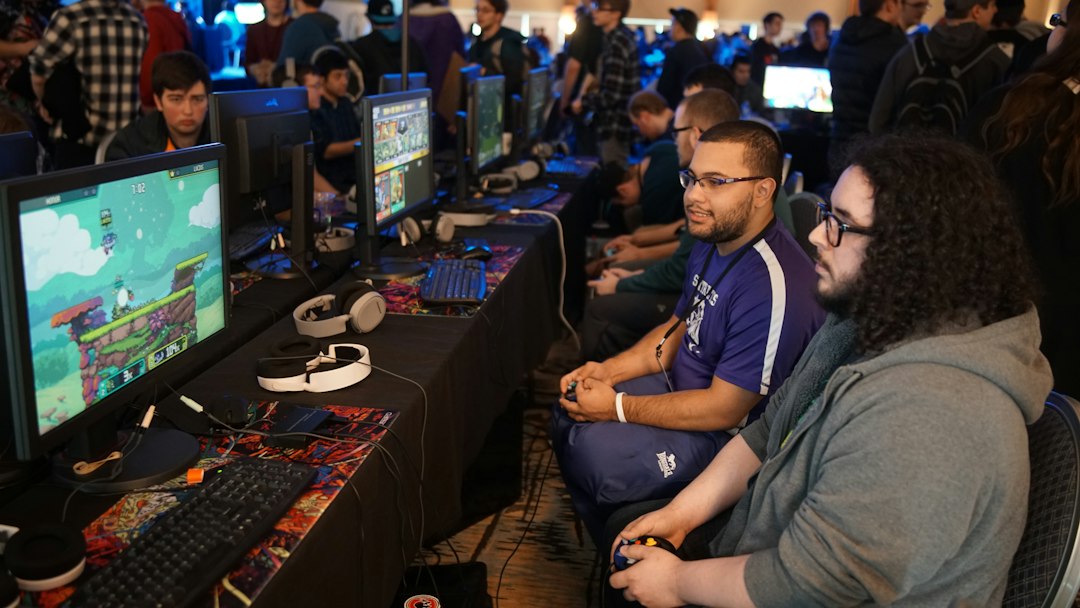
The Digital Frontier for Cognitive Enhancement
As the global population ages, the pursuit of maintaining sharp cognitive function, particularly memory, becomes an increasingly prevalent concern. The traditional image of elderly individuals engaging in crossword puzzles or board games for mental stimulation is now being challenged by the advent of digital games. This raises a fascinating question: do digital games offer a superior or at least comparable advantage over physical ones when it comes to bolstering aging memory? The answer, as with many complex biological and technological interactions, isn’t a simple “yes” or “no” but rather a nuanced exploration of the mechanisms at play, the specific benefits each format offers, and the individual preferences that ultimately guide engagement.
The landscape of digital games has expanded far beyond simple arcade distractions. We now have sophisticated brain-training apps, intricate strategy games, and virtual reality experiences that promise to engage multiple cognitive domains simultaneously. Physical games, on the other hand, encompass everything from card games and chess to jigsaw puzzles and even complex board games like Mahjong. Both categories demand attention, problem-solving skills, and often, memory recall. However, their approaches to stimulating these capacities differ significantly, and understanding these differences is key to determining their relative efficacy for an aging brain.
The Nuances of Neuroplasticity
At the heart of any discussion about cognitive enhancement lies the concept of neuroplasticity – the brain’s remarkable ability to reorganize itself by forming new neural connections throughout life. For older adults, promoting neuroplasticity is crucial in combating age-related cognitive decline, which often manifests as reduced processing speed, difficulty with working memory, and challenges in learning new information. Both digital and physical games, when designed or approached appropriately, can act as potent stimuli for these adaptive processes.
Digital games often excel at providing novelty and varied challenges, two critical ingredients for fostering neuroplasticity. Their algorithms can dynamically adjust difficulty, introduce new mechanics, and present ever-changing scenarios, preventing the brain from settling into repetitive, unchallenging patterns. Physical games, while offering their own form of novelty through human interaction and diverse game objectives, might have a more fixed structure, especially classic games. However, the social interaction inherent in many physical games introduces a different, equally valuable layer of cognitive demand that digital games, particularly single-player ones, often lack.
Ultimately, the choice between digital and physical games for aging memory isn’t about declaring an outright winner. Instead, it’s about understanding how each medium uniquely contributes to a holistic approach to cognitive well-being, leveraging their respective strengths to create a comprehensive strategy for maintaining mental acuity well into golden years.
In exploring the impact of digital games versus physical ones on aging memory, it’s interesting to consider related resources that delve into cognitive training techniques. One such article discusses strategies for enhancing memory performance, particularly in the context of competitive environments. For those interested in improving their memory skills, you can read more about effective training methods in the article titled “How to Train for the World Memory Championships” available at this link.
How Digital Games Engage Cognitive Functions

Digital games, in their myriad forms, present a unique set of cognitive challenges that can be particularly beneficial for an aging brain. The interactive nature, immediate feedback, and often complex systems within these games engage various cognitive domains simultaneously, potentially offering a more dynamic and intensive workout compared to some traditional physical activities.
Processing Speed and Reaction Time
Many digital games, especially action-oriented or puzzle-based ones, demand quick decision-making and rapid motor responses. Players need to process visual information, identify patterns, and react within milliseconds. For older adults, whose processing speed naturally tends to decline with age, this can be a powerful form of training. Studies have shown that consistent engagement with fast-paced video games can improve reaction times and visual attention, areas where age-related decline is most noticeable. The brain is continuously challenged to keep up, forcing it to maintain and potentially even improve its processing efficiency.
Working Memory and Attention
Digital games frequently involve managing multiple pieces of information concurrently, a core function of working memory. Whether it’s tracking enemies, remembering puzzle sequences, or managing resources in a strategy game, players are constantly holding and manipulating information in their minds. Furthermore, the engaging nature of many digital games can significantly improve sustained attention. Players must focus for extended periods, filtering out distractions and concentrating on the game’s objectives. This sustained attention, vital for everyday tasks like reading or conversation, can be strengthened through regular digital game play. The constant visual and auditory stimuli in digital environments demand continuous focus, preventing mind-wandering and actively engaging the attentional networks of the brain.
Problem-Solving and Strategic Thinking
From complex role-playing games to intricate puzzle apps, digital games often require advanced problem-solving skills and strategic planning. Players must analyze situations, devise tactics, anticipate outcomes, and adapt their strategies based on new information. This constant mental effort in planning and executing complex tasks can stimulate executive functions, which include planning, organization, and decision-making – all of which are critical for independent living and cognitive resilience in older age. The abstract nature of many digital puzzles, for instance, forces players to think outside the box and develop novel solutions, pushing their cognitive boundaries.
Learning New Skills and Adaptation
One of the most significant advantages of digital games is their capacity to introduce novel challenges and require players to learn new mechanics and rules constantly. This continuous learning process is a powerful stimulant for neuroplasticity. As older adults learn a new game, they are forming new neural pathways, strengthening existing ones, and engaging in cognitive flexibility – the ability to adapt to new situations and shift perspectives. This contrasts with repeatedly engaging in familiar physical games, where the learning curve has often been flattened over years of practice. The initial struggle and subsequent mastery of a new digital game can be immensely rewarding and cognitively beneficial.
The Advantages of Physical Games for Memory
While digital games offer a compelling array of cognitive benefits, dismissing the value of physical games for an aging memory would be a significant oversight. Physical games, broadly defined as activities that involve tangible components and often face-to-face interaction, bring their own distinct advantages that complement, rather than compete with, digital cognitive training.
Social Interaction and Emotional Well-being
Perhaps the most significant advantage of physical games, particularly those played in groups, is the inherent social interaction they foster. Games like bridge, mahjong, poker, or even complex board games provide opportunities for communication, cooperation, and friendly competition. Social engagement has been consistently linked to better cognitive outcomes and reduced risk of dementia. The act of conversing, interpreting social cues, negotiating, and collaborating during a game stimulates various brain regions, including those involved in language processing, empathy, and theory of mind. Beyond the direct cognitive benefits, the emotional well-being derived from social connection – reducing feelings of loneliness and isolation – is a powerful protective factor against cognitive decline. Laughter, shared experiences, and the sense of belonging derived from group play contribute to a positive mental state, which is itself conducive to better memory function.
Sensory Engagement and Motor Skills
Physical games inherently engage a broader range of senses and motor skills compared to purely digital interfaces. Manipulating cards, moving game pieces, rolling dice, or physically assembling puzzle pieces involves tactile feedback, fine motor coordination, and proprioception (the sense of one’s body in space). These actions, while seemingly simple, provide a different type of cognitive stimulation. The brain is engaged in coordinating movements, interpreting physical sensations, and integrating this information with strategic decisions. For older adults, maintaining fine motor skills is crucial for daily tasks, and games that demand this can help preserve dexterity and hand-eye coordination. Even seemingly simple acts like shuffling cards require a sequence of precise movements, challenging both motor planning and execution.
Reduced Screen Time and Eye Strain
In an increasingly digital world, the cumulative effects of screen time are a growing concern. Excessive screen exposure can lead to eye strain, dry eyes, and potentially disrupt sleep patterns due to blue light emission. Physical games offer a welcome respite, providing cognitive stimulation without the associated visual fatigue. This break from screens can be particularly beneficial for older adults who may already experience age-related vision changes. Engaging in physical games allows for a more natural visual environment, reducing the demands on the eyes and promoting overall ocular health, which indirectly supports sustained cognitive engagement.
Real-World Context and Applied Memory
Many physical games often draw upon or simulate real-world scenarios, making the cognitive challenges feel more directly applicable. For instance, card games require remembering previously played cards, a form of episodic memory that mirrors remembering conversations or events. Board games might involve resource management or territorial control, drawing parallels to real-world planning. This direct link to tangible situations can make the learning and memory processes feel more relevant and thus potentially more robust. The absence of a “restart” button in physical games also means decisions carry more weight, encouraging careful consideration and reinforcing the consequences of actions, thereby exercising different aspects of memory related to consequence and planning.
Many people are fascinated by the techniques used by a Memory Athlete to enhance their cognitive abilities. If you’re interested in learning more about these techniques, you can explore various resources online. One such resource is the website of a renowned Memory Athlete.
Comparing Specific Game Types
To truly understand the debate between digital and physical games for aging memory, it’s helpful to consider specific examples from both categories and analyze their unique contributions to cognitive health. This comparative approach reveals that different games target different cognitive strengths, suggesting that a varied approach might be the most beneficial.
Strategy Games: Chess vs. Digital Strategy RPGs
Chess, a quintessential physical strategy game, is renowned for its demands on logical thinking, planning, foresight, and working memory. Players must remember board positions, anticipate opponent moves, and plan several steps ahead. The lack of hidden information means that all decisions are based on observable data, fostering deep analytical skills. The social aspect, when played against another person, also adds a layer of psychological strategy.
Digital Strategy Role-Playing Games (RPGs) like “Civilization” or “Age of Empires,” while also demanding strategy and planning, introduce additional layers of complexity. They often feature larger game worlds, more variables to manage (resources, diplomacy, technology trees), and sometimes time-sensitive decisions. Players must juggle multiple objectives, adapt to dynamic situations, and process large amounts of information from on-screen displays. These games often require superior multitasking abilities, quick information retrieval from memory, and the capacity to prioritize tasks effectively in a more complex, information-rich environment than a chessboard. The learning curve for digital strategy games can be steeper, requiring the acquisition of new interfaces and mechanics, which itself is a cognitive exercise.
Puzzle Games: Jigsaw Puzzles vs. Digital Logic Puzzles
Jigsaw puzzles, a classic physical memory and problem-solving activity, primarily engage visuospatial skills, pattern recognition, and working memory as individuals hold pieces in mind and mentally rotate them to fit. The tactile experience of manipulating pieces and the progressive visual reward of completing sections can be very satisfying. It’s a focused, deliberate activity that trains patience and attention to detail.
Digital logic puzzles, such as Sudoku apps, brain-training games like “Lumosity” or “CogniFit,” or even puzzle adventure games, often present a wider variety of challenges. They can target specific cognitive domains (e.g., speed, attention, memory, flexibility) through tailored mini-games. They offer immediate feedback, often track performance metrics, and can dynamically adjust difficulty. This can lead to more targeted and potentially more efficient training. However, the tactile and spatial manipulation aspect is largely absent, relying instead on screen interaction. The sheer variety of digital puzzles can keep the brain constantly challenged with novel tasks, preventing cognitive stagnation.
Card Games: Bridge vs. Solitaire Apps
Bridge, a highly complex partnership card game, is an exceptional exercise for working memory, long-term memory (remembering conventions, strategies), logical deduction, and communication skills. Players must remember cards played, deduce card distributions, bid strategically, and communicate with their partner non-verbally through bids. The social interaction and the pressure of a competitive environment add significant cognitive load and emotional engagement.
Digital Solitaire apps, while enjoyable and still requiring some memory (e.g., remembering card positions) and planning, are generally less cognitively demanding than multi-player physical card games. They lack the social interaction, the need for complex deduction about hidden information from other players, and the pressure of a competitive partner. However, for individuals who prefer solo play or have limited access to partners, solitaire apps provide an accessible and engaging way to pass the time and engage in some level of cognitive activity. Some solitaire apps also offer different variations and challenges, which can introduce novelty.
The comparison highlights that while both digital and physical games offer benefits, the specific cognitive demands and social contexts differ significantly. A combination of both could offer the most comprehensive cognitive workout for older adults.
In exploring the impact of digital games versus physical ones on aging memory, it’s interesting to consider how different types of cognitive challenges can enhance our mental capabilities. For those looking to improve their memory skills, a related article discusses effective techniques for memorizing complex information, such as long passwords, which can be particularly beneficial as we age. You can read more about these strategies in the article on how to memorize long passwords safely. This connection highlights the broader conversation about the tools we can use to maintain and improve our cognitive health.
Recommendations for Optimal Cognitive Engagement
| Metric | Digital Games | Physical Games | Notes |
|---|---|---|---|
| Memory Improvement (%) | 25% | 15% | Digital games show higher average improvement in memory tests |
| Engagement Level (Scale 1-10) | 8.5 | 6.7 | Participants reported higher engagement with digital games |
| Frequency of Use (Sessions per Week) | 4.2 | 3.1 | Digital games were played more frequently |
| Cognitive Flexibility Improvement (%) | 18% | 12% | Digital games promote better cognitive flexibility |
| Social Interaction (Scale 1-10) | 6.0 | 7.5 | Physical games encourage more face-to-face social interaction |
| Ease of Access (Scale 1-10) | 9.0 | 5.5 | Digital games are easier to access and set up |
| Cost Effectiveness (Scale 1-10) | 7.8 | 6.0 | Digital games often have lower ongoing costs |
Given the strengths and weaknesses of both digital and physical games, the most effective strategy for bolstering aging memory and cognitive performance likely involves a balanced and personalized approach. There isn’t a one-size-fits-all solution, but rather a set of guidelines that can help individuals maximize their cognitive engagement.
Embrace Variety and Novelty
The brain thrives on novelty and challenge. Relying on just one type of game, whether digital or physical, can lead to cognitive stagnation once mastery is achieved. Incorporate a wide range of activities:
- Mix digital and physical: Spend time with challenging brain-training apps or strategy video games, but also dedicate time to board games, card games with friends, or jigsaw puzzles.
- Rotate game types: Don’t stick to just Sudoku or just crosswords. Try new digital puzzle apps, learn a new card game, or explore a different genre of video game. This constant exposure to new rules, interfaces, and problem-solving demands promotes neuroplasticity.
- Vary difficulty: Start with games at an appropriate difficulty level and gradually increase the challenge as skills improve. The goal is to consistently push cognitive boundaries without causing excessive frustration.
Prioritize Social Engagement
For physical games, the social element is often as important, if not more so, than the game itself. Make an effort to play games with others:
- Join a game club: Many community centers, senior centers, or even local cafes host regular game nights for bridge, chess, mahjong, or other board games.
- Organize game nights: Gather friends and family for regular game sessions. The conversation, laughter, and shared experience provide immense cognitive and emotional benefits.
- Consider online multiplayer games: If physical gatherings are challenging, some digital games offer multiplayer options that can facilitate social interaction, albeit in a different format. Voice chat or in-game messaging can still provide a sense of connection.
Look for Targeted Cognitive Benefits
While all engaging activities offer some cognitive benefits, some games are specifically designed to target particular cognitive domains.
- For processing speed and reaction time: Fast-paced puzzle games, action-adventure games, or rhythm games can be beneficial.
- For working memory and attention: Strategy games (digital or physical), memory card games, or specific brain-training apps focused on recall and focus.
- For problem-solving and executive functions: Complex board games, strategy video games, and logic puzzles.
- For visuospatial skills: Jigsaw puzzles, building games, or certain architectural digital design games.
Integrate Physical Activity
While not directly a game, regular physical exercise has profound benefits for cognitive health, including memory. Exercise increases blood flow to the brain, promotes the growth of new brain cells, and reduces the risk of cognitive decline. Combining mental challenges with physical activity creates a powerful synergy for overall well-being. Consider activities that integrate both, such as virtual reality fitness games or active tabletop games.
Mindful Engagement and Avoiding Overload
The goal is stimulation, not stress. If a game becomes overly frustrating or leads to feelings of burnout, it might be counterproductive.
- Listen to your brain: Take breaks when needed. Over-challenging the brain can lead to fatigue rather than enhancement.
- Enjoy the process: The most effective cognitive activities are often those that are genuinely enjoyable. Motivation and positive emotional states enhance learning and memory.
- Balance screen time: While digital games are beneficial, it’s wise to moderate screen time and ensure it doesn’t displace other important activities like physical exercise, social interaction, or outdoor time.
By thoughtfully combining the interactive dynamism of digital games with the rich social and sensory engagement of physical games, older adults can create a robust and enjoyable regimen for elevating their memory and cognitive performance, ensuring their brains remain vibrant and agile for years to come.
In exploring the impact of digital games versus physical ones on aging memory, it’s interesting to consider various techniques that can enhance memory retention. A related article discusses effective strategies for remembering multiple things at once, which could complement the findings on how different types of games affect cognitive function. For more insights, you can read about these memory tricks in this article here. Understanding these methods may provide a broader perspective on how to maintain mental agility as we age.
Unlocking Your Brain’s Full Potential
In conclusion, the question of whether digital games beat physical ones for aging memory is not a binary choice, but rather an invitation to embrace a diversified approach. Both categories offer unique and valuable contributions to cognitive health. Digital games excel in providing novel challenges, dynamic feedback, and targeted training for processing speed, working memory, and strategic thinking in complex, information-rich environments. They offer unparalleled accessibility and the ability to scale difficulty, keeping the brain continuously engaged and adapting. Physical games, conversely, shine in fostering crucial social interaction, engaging a broader range of sensory and motor skills, and providing a welcome break from screen time. The face-to-face communication, nuanced social cues, and tactile manipulation inherent in traditional games stimulate different neural pathways, offering a holistic cognitive workout that digital experiences often cannot replicate.
The optimal strategy for maintaining and enhancing memory in older age lies in the intelligent integration of both digital and physical activities. A comprehensive cognitive fitness plan would involve: regularly engaging with challenging digital brain-training applications and strategy games to sharpen focus and processing speed; participating in social physical games like bridge or mahjong to cultivate memory, strategic thinking, and emotional well-being; and incorporating physical puzzles like jigsaws to boost visuospatial skills and attention to detail. Variety, novelty, social connection, and sustained engagement are the cornerstones of effective cognitive preservation.
The future of memory enhancement for older adults is not about choosing one medium over another, but about intelligently leveraging the unique strengths of each. The greatest cognitive benefits will come from a dynamic blend of activities that challenge different aspects of the brain, promote social connection, and are genuinely enjoyable, thereby fostering intrinsic motivation for continued engagement. As technology continues to evolve, the tools available for cognitive enhancement will only grow more sophisticated, offering even more personalized and effective ways to keep our minds sharp.
Ready to take control of your cognitive destiny and unlock your brain’s full potential? Elevate your memory and sharpen your focus by downloading Memory Athlete, the ultimate app for mastering recall, enhancing concentration, and pushing the boundaries of your mental capabilities. It’s time to transform your cognitive performance and experience the power of a truly optimized mind.





Leave a Reply