
The Echo Chamber of the Past: How Depression Warps Autobiographical Memory
Autobiographical memory, the intricate tapestry of our personal past, forms the bedrock of our identity. It’s the story we tell ourselves about who we are, where we’ve been, and where we’re going. For individuals grappling with depression, however, this narrative often becomes distorted, fragmented, and imbued with a pervasive negativity that profoundly impacts their sense of self and their ability to navigate the present and future. The vibrant, nuanced recollections that typically characterize a healthy memory give way to overgeneralized, often negative, accounts, creating a self-perpetuating cycle of despair. Understanding this complex interplay between autobiographical memory and depression is crucial for effective diagnosis, treatment, and fostering a path toward recovery.
The Nature of Autobiographical Memory
Autobiographical memory is not a singular entity but a multifaceted system that allows us to recall personal experiences from our lives. It encompasses both specific events and general knowledge about our past, intertwining factual information with emotional and sensory details.
Semantic and Episodic Components
At its core, autobiographical memory can be broken down into two primary components: semantic autobiographical memory and episodic autobiographical memory. Semantic autobiographical memory refers to general knowledge about our lives – facts like where we grew up, our profession, or the names of significant people. It’s a repository of personal facts without specific sensory or contextual details. Episodic autobiographical memory, on the other hand, is the recollection of specific events, complete with sensory, perceptual, and contextual details. This is what allows us to “relive” moments, such as the smell of a particular dish at a childhood birthday party or the exact words exchanged during a significant conversation. It is this episodic richness that often suffers most profoundly in depression.
Functions of Autobiographical Memory
Beyond simply recalling the past, autobiographical memory serves several critical functions. It plays a vital role in self-definition, helping us construct and maintain a coherent sense of who we are. It also has a directive function, allowing us to learn from past experiences and apply those lessons to current and future challenges. Furthermore, it serves a social function, enabling us to connect with others by sharing our personal narratives. For individuals with depression, these functions are often compromised. Their distorted memories may lead to a fragmented or negative self-concept, hinder problem-solving abilities, and make genuine social connection more difficult, as they may struggle to share positive past experiences or find common ground. The ability to retrieve specific, positive memories is particularly important for mood regulation and coping with stress, aspects that are severely impaired in depressive states.
In exploring the intricate relationship between autobiographical memory and depression, it is essential to consider how our recollections can shape our self-perception and emotional well-being. A related article that delves into the fascinating world of memory is titled “Can Anyone Become a Memory Champion?” which discusses the techniques and mental strategies employed by individuals to enhance their memory capabilities. This article can provide valuable insights into how memory training might influence one’s ability to recall positive experiences, potentially mitigating the effects of depression. For more information, you can read the article here: Can Anyone Become a Memory Champion?.
The Overgeneral Memory Phenomenon in Depression
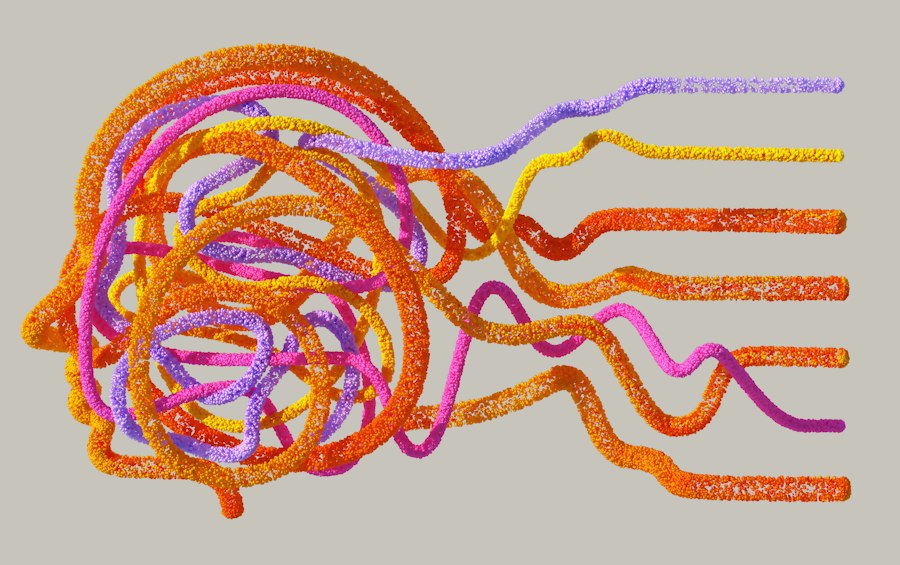
One of the most robust and widely studied features of autobiographical memory in depression is the phenomenon of overgeneral memory (OGM). Instead of recalling specific, vivid events, individuals with depression tend to retrieve broad, categorical, or semantic descriptions of their past. This isn’t just a preference; it’s a consistent pattern observed across various memory tasks.
Characteristics of Overgeneral Memory
Overgeneral memories are characterized by their lack of specificity. Instead of remembering “the time my dog, Max, jumped into the pond during our walk last summer and I had to pull him out, laughing all the while,” an individual with depression might recall “times when my dog got into trouble” or “my dog was often a handful.” These memories lack the sensory details, contextual information, and specific temporal markers that define episodic recall. They are more akin to semantic facts about their past rather than vivid re-experiences. Researchers categorize OGM into different types: categorical memories (e.g., “I always struggled with school”), extended memories (e.g., “the whole year I was sick”), and semantic associative memories (e.g., “my family was always busy”). All these types share the common thread of lacking specific, episodic detail.
Specificity and Emotional Valence
The deficit in memory specificity is particularly pronounced for positive and neutral events. While individuals with depression may still recall negative events, these too can often become overgeneralized, though less consistently than positive ones. The inability to access specific, positive memories further exacerbates depressive symptoms. These specific positive memories are crucial for mood regulation, self-esteem, and hope for the future. When a person can only recall general instances of past happiness rather than specific moments, the emotional impact and therapeutic benefits of those memories are significantly diminished. This creates a negative feedback loop: depression makes it harder to access positive specific memories, and the lack of such access deepens the depressive state.
Theories Explaining Overgeneral Memory
Several theoretical frameworks attempt to explain the prevalence of OGM in depression, each offering valuable insights into its underlying mechanisms.
The CaRFAX Model
The CaRFAX (Contextual Reconstruction of Autobiographical Memory for Future Experiences) model posits that OGM serves as a form of emotional regulation. According to this theory, specific, detailed memories, especially negative ones, can be highly distressing. To avoid this emotional pain, individuals with depression unconsciously adopt a strategy of retrieving memories at a higher, more general level. This “cognitive avoidance” prevents them from re-experiencing intense negative emotions, but at the cost of losing access to adaptive, problem-solving information contained within specific memories. While it might offer short-term relief from distress, it hinders the ability to learn from past experiences and to generate effective solutions for current problems.
Functional Avoidance Hypothesis
Building on the concept of emotional regulation, the functional avoidance hypothesis suggests that overgeneral memory is a defensive mechanism. It proposes that individuals with depression retrieve general memories as a way to avoid the intrusive and painful details associated with specific negative past events. This avoidance strategy, however, has detrimental long-term consequences. By not fully processing past negative experiences, individuals are less likely to integrate them into a coherent life narrative, learn from them, or achieve emotional closure. This also extends to positive memories; a tendency to overgeneralize can also reduce the emotional impact of positive experiences, making it harder to draw on them for resilience.
Impaired Executive Control
Another prominent theory points to impairments in executive cognitive functions as a contributor to OGM. Executive functions, such as working memory, inhibition, and cognitive flexibility, are crucial for the efficient retrieval of specific memories. The process of searching for and retrieving a specific autobiographical memory is an effortful, goal-directed process that requires sustained attention and the ability to inhibit irrelevant information. Depression is often associated with deficits in these executive functions. For example, reduced working memory capacity might make it difficult to hold and manipulate multiple pieces of information required for detailed memory retrieval. Furthermore, impaired inhibitory control might lead to an inability to suppress general information, resulting in its retrieval instead of a more specific event.
The Impact on Self-Concept and Future Orientation

The pervasive overgeneral memory and the negative bias in autobiographical recall have profound implications for an individual’s sense of self and their ability to envision and plan for the future.
Distorted Self-Narrative
Our autobiographical memories are the building blocks of our self-concept. They inform our understanding of who we are, our strengths, weaknesses, values, and beliefs. When these memories are predominantly negative, fragmented, or overgeneralized, the self-narrative becomes similarly distorted. Individuals with depression may construct a self-story that emphasizes failures, shortcomings, and painful experiences, while downplaying or entirely omitting successes and positive attributes. This creates a deeply entrenched negative self-schema, making it difficult to challenge negative core beliefs about oneself. They may struggle to see themselves as capable, resilient, or worthy of love and happiness, reinforcing feelings of hopelessness and low self-worth.
Lack of Identity Cohesion
The inability to access specific, vivid memories, particularly positive ones, can lead to a lack of identity cohesion. A healthy sense of self is built upon a rich tapestry of distinct experiences that contribute to a nuanced and multifaceted identity. When memories are overgeneralized, this nuance is lost. Individuals may feel that their past is a blur, making it difficult to pinpoint defining moments or trace the development of their personality and capabilities. This can result in a fragmented self-perception, where they struggle to connect different aspects of their life into a coherent whole, further intensifying feelings of alienation and confusion.
Impaired Future Planning and Problem Solving
Autobiographical memory is not solely about the past; it plays a critical role in imagining and planning for the future. Our ability to envision future scenarios, set goals, and devise strategies relies heavily on our capacity to draw upon past experiences and extrapolate from them.
Reduced Future Specificity
Just as individuals with depression exhibit overgeneral memory of the past, they also tend to demonstrate a reduced ability to construct specific, detailed mental images of future events. This phenomenon, often referred to as “future overgeneralization,” means that their imagined futures are vague, lacking in concrete details, and often infused with negativity or a sense of inevitability. They may struggle to envision positive future outcomes, leading to a pervasive sense of hopelessness. If one cannot specifically imagine graduating, finding a fulfilling job, or enjoying a vacation, it becomes incredibly difficult to feel motivated to take the steps necessary to achieve those goals.
Impaired Goal-Directed Thinking
The inability to access specific past memories or construct specific future scenarios significantly impairs goal-directed thinking and problem-solving abilities. When faced with a challenge, individuals typically draw upon similar past experiences to inform their approach. If those past experiences are only recalled in a vague, overgeneral manner, the lessons learned are not accessible in a helpful way. This makes it difficult to generate effective solutions, anticipate obstacles, or develop step-by-step plans. The combination of a negative self-view, a bleak future outlook, and impaired problem-solving further entrenches the depressive cycle, making it harder to break free from its grip.
The Memory Athlete is a platform that offers techniques to enhance cognitive abilities. By visiting the Memory Athlete, you can learn strategies to improve your memory retention. Many people have found success in boosting their mental performance through the resources provided by the Memory Athlete.
Therapeutic Approaches Targeting Autobiographical Memory
Given the central role of autobiographical memory in depression, various therapeutic interventions have been developed to address its distortions. These approaches aim to help individuals access more specific, positive memories, restructure their self-narrative, and improve their ability to envision a positive future.
Memory Specificity Training (MST)
Memory Specificity Training (MST) is a targeted intervention designed specifically to enhance the retrieval of specific autobiographical memories. It often involves guided exercises where individuals are prompted to recall specific events in response to cue words.
Techniques and Exercises
MST typically begins by explaining the concept of specific vs. overgeneral memory and its relevance to depression. Clients are then guided through a series of exercises that encourage them to retrieve specific memories. This often involves using “laddering” techniques, where an overgeneral memory (e.g., “I often felt lonely”) is used as a starting point to prompt for more specific details (e.g., “Can you remember a specific time you felt lonely? What happened? Who was there? What did you see, hear, feel?”). Therapists provide positive reinforcement for specific memories and gentle redirection for overgeneral ones. The training often incorporates a focus on retrieving specific positive memories, as these are particularly crucial for mood regulation and building resilience. The exercises can be tailored to individual needs, starting with easier tasks and gradually increasing in difficulty, helping clients build confidence in their ability to access detailed recollections.
Efficacy of MST
Research has consistently demonstrated the efficacy of MST in improving memory specificity in individuals with depression. Studies have shown that MST leads to a significant increase in the retrieval of specific autobiographical memories, both positive and negative, and a corresponding decrease in overgeneral memories. Importantly, these improvements in memory specificity are often associated with reductions in depressive symptoms, enhanced problem-solving skills, and a more positive outlook on the future. MST can be delivered individually or in group settings, and can also be integrated into broader cognitive-behavioral therapy (CBT) frameworks. The sustained benefits of MST highlight the plasticity of autobiographical memory and its responsiveness to targeted interventions.
Cognitive Behavioral Therapy (CBT)
While not exclusively focused on memory, Cognitive Behavioral Therapy (CBT) inherently addresses the role of distorted thinking, including how past experiences are recalled and interpreted. CBT techniques can indirectly, and sometimes directly, improve autobiographical memory retrieval.
Challenging Negative Core Beliefs
CBT helps individuals identify and challenge negative core beliefs about themselves, others, and the world. These core beliefs often stem from and are reinforced by selective and distorted memories of past events. By examining the evidence for and against these beliefs, often involving a re-evaluation of past experiences, CBT can help individuals reconstruct a more balanced and accurate self-narrative. For example, if a client holds the core belief “I am a failure,” the therapist might help them recall specific instances of success or competence, thus counteracting the overgeneral negative recollections.
Behavioral Activation and Future Orientation
Behavioral activation, a component of CBT, encourages individuals to engage in activities that provide pleasure and mastery, irrespective of their mood. By actively creating new positive experiences, individuals are provided with fresh, specific positive memories to draw upon. This can gradually shift the balance of their autobiographical memory away from an exclusive focus on negativity. Furthermore, CBT often involves goal-setting and future-oriented planning, which can help individuals practice envisioning specific positive future events, thereby improving their future specificity and fostering a sense of hope and agency.
Research on the interplay between autobiographical memory and mental health has revealed significant insights into how our recollections can shape our self-perception, particularly in the context of depression. A related article explores the effectiveness of mental training and meditation in enhancing cognitive functions, which may provide valuable strategies for individuals struggling with distorted self-images due to negative memories. For more information on this topic, you can read the article on mental training and meditation.
The Broader Implications and Future Directions
| Metric | Description | Findings Related to Depression |
|---|---|---|
| Memory Specificity | Ability to recall detailed, specific autobiographical events | Reduced specificity; depressed individuals often recall overgeneral memories |
| Memory Valence | Emotional tone of recalled memories (positive, negative, neutral) | Bias towards recalling more negative memories in depression |
| Memory Recall Latency | Time taken to retrieve autobiographical memories | Longer latency observed in depressed individuals, indicating retrieval difficulties |
| Self-Concept Consistency | Degree to which memories align with current self-view | Distorted self-concept due to negative memory bias in depression |
| Rumination Frequency | Frequency of repetitive thinking about past events | Increased rumination linked to persistent negative autobiographical memories |
| Emotional Regulation | Ability to manage emotional responses to memories | Impaired regulation leads to heightened negative affect from past memories |
The intricate relationship between autobiographical memory and depression has far-reaching implications, not just for clinical practice but also for our understanding of mental health more broadly. Continuing research promises to refine our therapeutic approaches and deepen our knowledge of the mechanisms at play.
Early Intervention and Prevention
Understanding the development of overgeneral memory in depression opens avenues for early intervention and prevention. Research suggests that OGM can sometimes predate the full onset of a depressive episode or act as a vulnerability factor. Identifying individuals at risk, particularly adolescents who may be starting to show tendencies towards OGM, could allow for targeted interventions before entrenched patterns of negative recall become established. Psychoeducation about the impact of memory on mood, combined with early forms of memory specificity training, could potentially mitigate the risk of developing full-blown depression or reduce its severity. This preventive approach aligns with broader mental health initiatives that emphasize early detection and proactive support.
The Role of Trauma and PTSD
The link between autobiographical memory and mental health is further complicated by the presence of trauma and Post-Traumatic Stress Disorder (PTSD). While depression often involves overgeneralization, PTSD is characterized by intrusive, highly specific, and often fragmented memories of traumatic events. However, individuals with co-occurring PTSD and depression may exhibit a complex memory profile, where traumatic memories are highly specific and vivid, while other personal memories remain overgeneral. Understanding these nuanced interactions is critical for developing integrated treatment plans that address both the intrusive nature of traumatic memories and the overgeneralization often seen in depression. Therapeutic approaches need to be sensitive to the potential for re-traumatization while simultaneously working to improve overall memory specificity and positive self-narratives.
Neurobiological Underpinnings
Advances in neuroscience are increasingly shedding light on the neurobiological underpinnings of autobiographical memory deficits in depression. Brain imaging studies have identified structural and functional abnormalities in brain regions associated with memory retrieval and emotional regulation in depressed individuals. Areas such as the hippocampus, prefrontal cortex, and amygdala, which are critical for forming, storing, and retrieving autobiographical memories and modulating emotional responses, often show altered activity or connectivity. Future research leveraging neuroimaging, neurostimulation techniques, and genetic studies will continue to uncover the precise neural mechanisms contributing to overgeneral memory and other memory distortions in depression. This deeper understanding could pave the way for novel, biologically informed treatments, perhaps even personalized interventions based on an individual’s unique brain profile. For instance, targeted neurofeedback or neuromodulation could potentially enhance activity in regions crucial for specific memory retrieval.
Digital Therapeutics and Gamification
The development of digital therapeutics, including mobile applications and gamified interventions, offers exciting new avenues for addressing autobiographical memory deficits. Apps can provide accessible, engaging, and scalable platforms for delivering memory specificity training. Gamified exercises, incorporating elements like points, levels, and progress tracking, can motivate users to practice memory retrieval techniques consistently. These digital tools could be particularly valuable for providing supplementary therapy between sessions, reaching individuals in remote areas, or offering ongoing support after formal treatment concludes. The ability to collect data on user engagement and memory performance could also provide valuable insights for refining interventions and tailoring them to individual needs.
Conclusion: Reclaiming the Past, Building the Future
The journey of living with depression often involves a complex and painful distortion of one’s personal history. Autobiographical memory, instead of serving as a source of strength and identity, becomes a fractured mirror reflecting negativity and overgeneralization. However, by understanding the mechanisms behind these distortions, particularly the phenomenon of overgeneral memory, we can develop and refine targeted interventions. Therapies like Memory Specificity Training, alongside broader CBT approaches, offer powerful tools to help individuals with depression reclaim their past, fostering the ability to recall specific, vivid experiences, both positive and negative, in a balanced way. This process of rebuilding a coherent, nuanced self-narrative is not merely about remembering; it is about empowering individuals to learn from their past, live more fully in the present, and envision a hopeful, specific future. The continuous advancements in psychological research and neurobiology, coupled with innovative digital solutions, promise an even brighter future for those seeking to overcome the shadow that depression casts over their personal histories and cognitive performance.
To elevate your memory and cognitive performance, download Memory Athlete today. It’s the ultimate app for mastering recall, sharpening focus, and unlocking your brain’s full potential.





Leave a Reply