
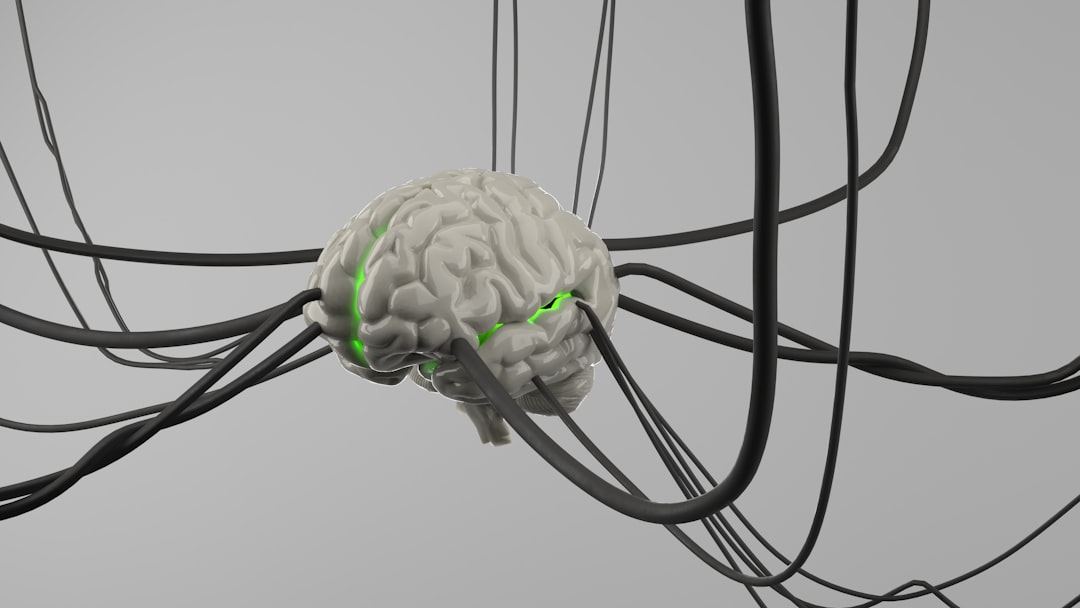
The human mind, a universe of synapses and intricate neural pathways, has captivated scientists and philosophers for millennia. We are on the cusp of understanding it like never before, and as we gaze into the next century, the landscape of memory and cognition promises to be utterly transformed. This article explores the exciting, and perhaps even awe-inspiring, predictions for the state of neuroscience and its impact on our mental faculties by the year 2100. Prepare to be amazed by the potential future of human memory.
By 2100, the line between biological and artificial intelligence will have blurred considerably, leading to a truly symbiotic relationship with our cognitive tools. This integration promises to unlock unprecedented levels of memory and performance.
Neural Interfaces: Beyond Basic Input
The rudimentary brain-computer interfaces of today, designed for basic control or limited sensory input, will evolve into seamless, high-bandwidth neural interfaces. These will allow for direct, bidirectional communication between the human brain and external computing systems. Imagine not just accessing information, but experiencing it. Learning a new language could involve downloading its lexicon and grammatical structures, not through rote memorization, but as an intuitive understanding.
Direct Knowledge Upload and Download
The most profound implication of advanced neural interfaces will be the ability to directly upload and download information. This will revolutionize education, professional training, and even personal development. Instead of spending years mastering a skill, individuals might be able to acquire proficiency in a matter of hours or days. The concept of “knowing” will shift, moving from a process of acquisition and retention to one of rapid integration and application.
Enhanced Sensory Perception
Neural interfaces will not be limited to cognitive functions. We may see the augmentation of human senses, allowing us to perceive the world in entirely new ways. Imagine seeing in infrared, hearing ultrasonic frequencies, or experiencing a richer spectrum of colors. This expanded sensory input will, in turn, create a more vibrant tapestry of memories, adding new dimensions to our lived experiences.
Augmented Cognition: The Externalized Mind
Our reliance on external devices for information storage and processing will become so ingrained that they will essentially become extensions of our own minds. This isn’t just about smartphones; it’s about personalized, context-aware cognitive assistants that are as natural to use as an arm or a leg.
Personalized Memory Archives
Every interaction, every thought, every sensory impression could be recorded and tagged with unparalleled detail by these augmented cognitive systems. These personalized memory archives will offer near-perfect recall, allowing individuals to revisit past conversations, re-experience significant moments with vivid clarity, or access specific pieces of information with absolute certainty. The concept of forgetting will become a choice, not an inevitability, at least for information stored in these augmented systems.
Predictive Cognitive Support
These advanced systems will learn our habits, preferences, and even our cognitive patterns. They will be able to anticipate our needs, offering solutions before we even articulate the problem. This predictive cognitive support could range from reminding us of forgotten appointments to suggesting the optimal approach to a complex task based on our past successes and failures. This forethought will significantly free up our mental bandwidth, allowing us to focus on creativity and innovation.
In exploring the future of memory and neuroscience, it is intriguing to consider how educational approaches will evolve alongside our understanding of cognitive processes. A related article, which discusses effective methods for teaching memory techniques to children, highlights the importance of early cognitive training in shaping memory capabilities. This article can be found at How to Teach Kids Memory Techniques. As we look towards 2100, integrating such techniques into educational systems may play a crucial role in enhancing memory retention and overall cognitive development in future generations.
Decoding the Neural Code: The Language of Memory
The fundamental breakthrough in the coming century will be our ability to fully decode the neural code – the underlying biological language that governs how memories are formed, stored, and retrieved. This deeper understanding will pave the way for revolutionary interventions.
The Molecular Basis of Memory
Neuroscience in 2100 will possess an unprecedented understanding of the molecular mechanisms underpinning memory. We will understand the precise roles of specific proteins, neurotransmitters, and genetic factors in the formation and consolidation of memories. This will move beyond correlation to causation.
Gene Editing for Memory Enhancement
Targeted gene editing will become a reality, allowing for the ethical and controlled enhancement of genes associated with robust memory function. This could involve increasing the efficiency of neural plasticity, improving synaptic strength, or even mitigating the risk of age-related memory decline. The ethical implications are vast, but the potential for disease prevention and cognitive augmentation is undeniable.
Neurochemical Optimization
Our ability to precisely manipulate neurochemical balances will lead to advanced pharmacological interventions. Drugs will be developed that can selectively enhance memory formation, improve learning rates, or even help to suppress traumatic memories. This will be a far cry from the broad-acting psychotropics of today, offering highly personalized and effective treatments for a range of cognitive challenges.
Synaptic Plasticity: Sculpting the Mind
Synaptic plasticity, the brain’s ability to change and adapt its structure and function, will be a central focus of research and intervention. We will move from understanding its principles to actively controlling and directing it.
Targeted Neurostimulation for Learning
Techniques like transcranial magnetic stimulation (TMS) and deep brain stimulation (DBS) will become far more precise and sophisticated. We will be able to stimulate specific neural circuits to optimize learning and memory consolidation, essentially guiding the brain towards more efficient information processing. Imagine a learning session enhanced by subtle, non-invasive electrical stimulation that primes your brain for optimal absorption.
Artificial Synapses and Neural Networks
The development of artificial synaptic components and more sophisticated artificial neural networks will not only aid in our understanding of biological systems but could also lead to novel therapeutic approaches. These could be integrated with biological systems to augment or repair damaged neural pathways involved in memory.
Erasing the Shadows: Therapeutic Forgetting and Trauma Resolution
The devastating impact of traumatic memories on individuals and society is a pressing concern. By 2100, neuroscience will offer profound solutions for managing and even alleviating the burden of negative memories.
Targeted Memory Eradication
While “erasing” memories might sound like science fiction, by 2100, the ability to selectively weaken or eliminate specific, maladaptive memories will likely be a therapeutic reality. This will not be a blunt instrument, but a precise surgical strike at the neural level.
Precision Memory Reconsolidation Interventions
Current research into memory reconsolidation suggests that when a memory is recalled, it becomes temporarily labile and can be modified. By 2100, interventions will be developed to specifically target and alter the reconsolidation process of traumatic memories, effectively diminishing their emotional impact and intrusive nature. This could provide relief for individuals suffering from PTSD and other trauma-related disorders.
Optogenetic and Chemogenetic Memory Modulation
Advances in optogenetics and chemogenetics, which allow for the control of genetically modified neurons with light or specific chemicals, will be harnessed for precise memory manipulation. This could enable researchers and clinicians to selectively activate or inhibit neural pathways associated with specific memories, offering a targeted approach to therapeutic forgetting.
Restoring Lost Memories and Cognitive Function
Just as we will gain the ability to manage unwanted memories, the coming century will bring remarkable advancements in restoring lost memories and cognitive function, offering hope for those affected by neurological conditions.
Neural Regeneration and Repair
Breakthroughs in stem cell research and regenerative medicine will enable the repair of damaged neural tissue. This could lead to the restoration of memory function in individuals who have suffered brain injuries or neurodegenerative diseases like Alzheimer’s. Imagine neurons regrowing and re-establishing vital connections, bridging the gaps left by disease.
Prosthetic Memory Systems
For cases where biological restoration is not fully feasible, sophisticated prosthetic memory systems could be developed. These would essentially act as artificial hippocampus or other memory-related brain structures, supplementing or replacing impaired biological functions. These systems would be seamlessly integrated with the brain, providing functional memory support.
Sure, here is the sentence with the clickable link:
I am amazed by the incredible feats of the Memory Athlete.
The Ethics of Memory: Navigating a New Frontier
As we gain unprecedented power over our memories, the ethical considerations will become paramount. The next century will require careful deliberation and robust ethical frameworks to guide the application of these transformative technologies.
The Nature of Identity and Memory
Our memories are intrinsically linked to our sense of self and identity. What happens when memories can be altered, erased, or even implanted? This will raise fundamental questions about authenticity, personal history, and what it truly means to be an individual.
The Right to Forgive and Forget
As therapeutic forgetting becomes a possibility, a new understanding of justice and personal autonomy may emerge. Will individuals have the right to erase memories that cause them pain, even if those memories are part of shared experiences? Will society need to grapple with the concept of enforced forgetting for certain individuals or situations?
The Specter of Memory Manipulation
The potential for misuse of memory manipulation technology is a significant concern. Coercion, propaganda, and the rewriting of history could become terrifying realities if not strictly regulated. This will necessitate robust international agreements and ethical oversight.
Equity and Access to Cognitive Enhancements
The development of advanced cognitive enhancements and memory technologies raises critical questions about accessibility and equity. Will these advancements become tools for the privileged few, exacerbating existing societal divides?
The Digital Divide of Cognition
Ensuring equitable access to these transformative technologies will be a monumental challenge. Without proactive measures, we could witness a “digital divide of cognition,” where those who can afford enhancements gain significant advantages, further marginalizing those who cannot. This will require global initiatives and ethical considerations of universal cognitive well-being.
The Definition of “Human” in a Post-Enhancement Era
As our cognitive abilities are augmented, the very definition of what it means to be human will be challenged. We will need to engage in profound societal conversations about the boundaries of human nature and the ethical implications of further augmenting our biological and cognitive capacities.
As we look ahead to the future of neuroscience and the evolution of memory by the year 2100, it is intriguing to consider how memory techniques have already transformed lives today. A fascinating article explores this personal journey in memory sports, highlighting the profound impact these techniques can have on cognitive abilities and everyday life. For those interested in the intersection of memory training and personal development, this article offers valuable insights into how memory sports can change one’s approach to learning and retention. You can read more about this transformative experience in the article here.
The Future of Learning and Understanding
| Year | Memory Capacity | Memory Enhancement Techniques |
|---|---|---|
| 2020 | ~2.5 petabytes | Brain-computer interfaces, neurostimulation |
| 2050 | 10-100 petabytes | Genetic engineering, memory implants |
| 2100 | 100-1000 petabytes | Advanced nanotechnology, cognitive augmentation |
By 2100, our approach to learning and understanding will be fundamentally altered, driven by advances in memory science and cognitive augmentation. The pace of knowledge acquisition and the depth of comprehension will be unlike anything we can currently imagine.
Personalized and Adaptive Learning Ecosystems
The educational landscape will be revolutionized by systems that adapt in real-time to individual learning styles, paces, and cognitive strengths. These aren’t just adaptive software programs; they are dynamic, integrated learning environments that leverage all available cognitive tools.
Immersive and Experiential Learning
Forget textbooks. By 2100, learning will be predominantly immersive and experiential. Imagine learning history by “living” through historical events in a hyper-realistic simulation, or understanding complex scientific principles through direct, interactive manipulation of abstract concepts. This deep, embodied learning will lead to unparalleled retention and understanding.
Continuous Cognitive Development
Learning will no longer be confined to specific periods of life. Continuous cognitive development, facilitated by readily available augmentation technologies and personalized learning platforms, will become the norm. Individuals will be able to adapt to new challenges and acquire new skills throughout their lives with remarkable ease and efficiency.
Unlocking Collective Intelligence
The integration of human and machine intelligence, coupled with enhanced individual memory and cognition, will unlock unprecedented levels of collective intelligence. This will be crucial for tackling the complex global challenges of the future.
Global Collaborative Intelligence Networks
Imagine global networks of individuals, interconnected via advanced neural interfaces, pooling their cognitive resources and processing power to solve intricate problems. This could lead to rapid breakthroughs in fields like climate science, disease eradication, and interstellar exploration.
The Evolution of Human Innovation
With the burdens of rote memorization and limited cognitive capacity significantly reduced, human ingenuity will be unleashed. Creativity, critical thinking, and the pursuit of novel ideas will become the primary focus of human endeavor, leading to a renaissance of innovation across all disciplines.
As we stand at the precipice of this new era, the possibilities are exhilarating and, at times, a little daunting. The next century of neuroscience promises a future where memory is not a fragile, fleeting asset, but a powerful, adaptable tool. It is a future where our cognitive potential is not a fixed, inherent limit, but a constantly expanding horizon.
To wrap up, readers are invited to elevate their memory and cognitive performance by downloading Memory Athlete, the ultimate app for mastering recall, sharpening focus, and unlocking their brain’s full potential.





Leave a Reply