
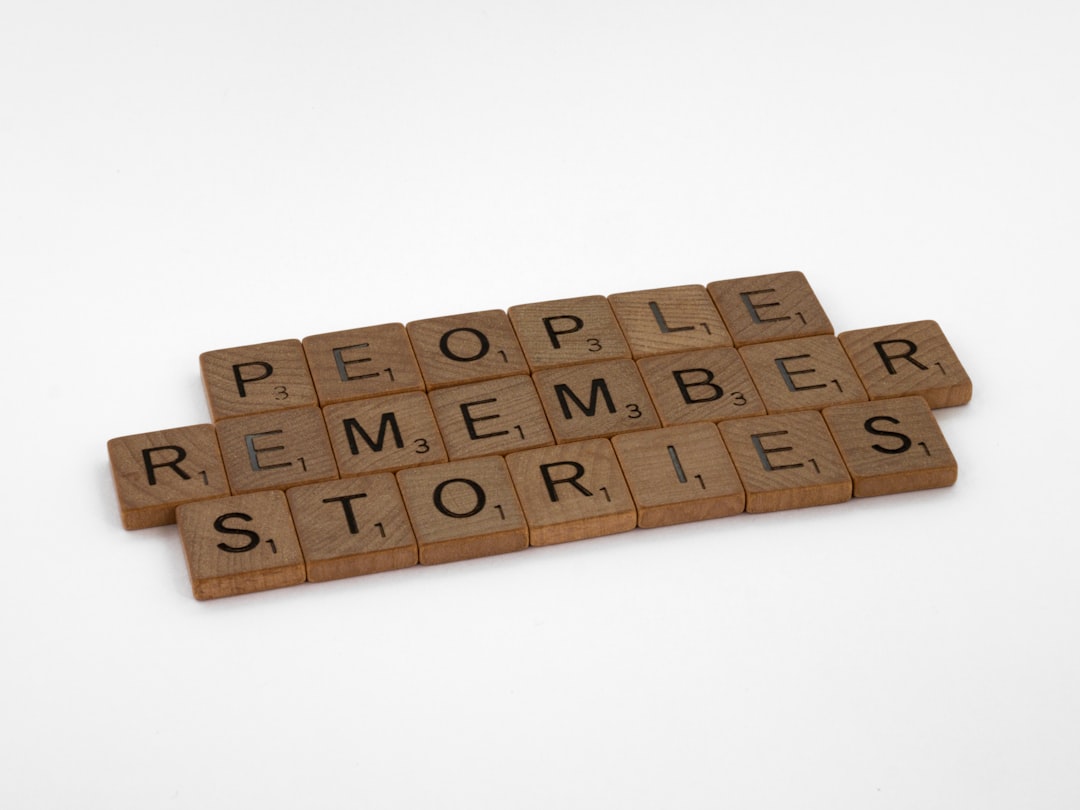
The digital age has ushered in an era of unprecedented information sharing and unprecedented challenges to our individual and collective memories. In this landscape, the erosion of personal and historical recall is not merely an inconvenience; it is a fundamental threat to individual autonomy and societal justice. This article explores the emerging concept of memory as a human right, examining the insidious forces of forced amnesia and the vital fight to preserve our ability to remember.
Our memories are not simply a collection of past events; they are the bedrock of our identity. They shape our understanding of who we are, where we come from, and what we believe. Without the ability to access and process our experiences, our sense of self dissolves, leaving us vulnerable and disoriented.
The Personal Narrative: Weaving the Tapestry of Identity
- Continuity of Consciousness: Memory provides the thread that connects our past selves to our present selves, creating a coherent narrative of our lives. Without this continuity, our sense of personal history breaks down, impacting our ability to make informed decisions and plan for the future.
- Emotional Resonance and Meaning: Past experiences, both joyous and painful, infuse our present with meaning. They inform our emotional responses, our allegiances, and our values. The suppression or erasure of these memories strips life of its richness and depth.
- Learning and Growth: Our capacity for learning and personal growth is intrinsically linked to our ability to recall past lessons, mistakes, and successes. Without this stored wisdom, we are doomed to repeat errors and struggle to adapt to new circumstances.
Social Cohesion and Collective Understanding
- Shared Histories and Cultural Heritage: Collective memory – the shared understanding of past events and cultural norms – is essential for social cohesion. It binds communities together, fostering a sense of belonging and shared purpose.
- Intergenerational Knowledge Transfer: The transmission of knowledge, traditions, and values from one generation to the next relies heavily on collective memory. When this memory is fractured or manipulated, cultural heritage is endangered.
- Ethical and Moral Frameworks: Our understanding of justice, fairness, and human rights is forged through the remembrance of historical injustices and the struggles for liberation. Forgetting these lessons leaves societies susceptible to repeating past atrocities.
The Right to Remember: A Human Right in Emergencies
In recognizing memory as a human right, we acknowledge that the deliberate erasure or distortion of memory constitutes a profound violation of human dignity. This is particularly acute in situations of conflict, oppression, and trauma.
- Victims of Human Rights Abuses: For survivors of torture, genocide, and other atrocities, the ability to recall their experiences is crucial for seeking justice, healing, and reclaiming their agency. Forced amnesia, whether through direct manipulation or systemic denial, compounds their suffering.
- Justice and Accountability: The preservation of memory is a prerequisite for holding perpetrators accountable for their actions. When memories are suppressed, evidence is lost, and the path to justice becomes obstructed.
- Preventing Future Atrocities: Remembering the past, with all its horrors, is a vital defense against the recurrence of similar events. Denial and selective forgetting pave the way for the normalization of violence and oppression.
In the ongoing discourse surrounding memory as a fundamental human right, the article titled “10 Mental Warm-Ups Used by Memory Champions” offers valuable insights into techniques that enhance cognitive function and memory retention. These methods not only serve as practical tools for individuals looking to improve their memory but also highlight the importance of preserving personal and collective memories in the face of societal pressures that may lead to forced amnesia. To explore these techniques further, you can read the article here: 10 Mental Warm-Ups Used by Memory Champions.
The Mechanisms of Forced Amnesia: Subtle and Overt
The forces that seek to erase or distort memory operate through a variety of methods, ranging from the overt and brutal to the insidious and technologically driven. Understanding these mechanisms is the first step in combating them.
Overt Suppression and Erasure
- State-Sanctioned Propaganda and Censorship: Authoritarian regimes often employ state-controlled media, educational curricula, and censorship to rewrite history, suppress dissent, and promote a desired narrative. This aims to create a compliant populace by controlling what they are allowed to remember.
- Destruction of Records and Monuments: The physical erasure of evidence – burning books, demolishing historical sites, and destroying archives – is a direct attempt to obliterate collective memory and sever ties to the past.
- Persecution and Silencing of Witnesses: Targeting individuals who bear witness to atrocities or dissent is a common tactic to prevent the spread of inconvenient truths and to instill fear, thus discouraging remembrance.
Subtle Manipulation and Distortion
- Historical Revisionism and Denial: This involves the deliberate distortion of historical events to downplay atrocities, legitimize oppressive regimes, or promote nationalistic myths. It often relies on cherry-picking evidence, misinterpreting facts, and creating alternative historical accounts.
- Algorithmic Bias and Filter Bubbles: In the digital realm, algorithms can inadvertently or intentionally curate information in a way that creates echo chambers and filter bubbles, limiting exposure to diverse perspectives and reinforcing existing beliefs. This can lead to a fragmented and biased understanding of reality.
- The “Infodemic” and Disinformation: The deliberate spread of false or misleading information, often amplified by social media, can muddy the waters of public discourse, making it difficult to discern truth from falsehood and to form accurate collective memories.
- Gaslighting on a Societal Scale: This psychological tactic, when applied to a group, involves denying or distorting reality to make individuals doubt their own perceptions and memories, leading to confusion and a loss of critical thinking.
Technological Interventions and Their Double-Edged Sword
As technology advances, new possibilities for both preserving and manipulating memory emerge.
- The Promises of Cognitive Enhancement: Technologies that offer to boost memory and cognitive function can be a boon for individuals seeking to improve their recall and mental acuity. However, the potential for misuse and the ethical implications of altering human memory are significant.
- The Risks of Digital Erasure and Manipulation: The vastness and impermanence of digital information present unique challenges. Data can be lost, altered, or deliberately erased, leading to the potential for widespread loss of historical records and personal memories.
- Surveillance and Behavioral Profiling: The constant collection of personal data by corporations and governments raises concerns about the potential for this information to be used to profile and control individuals, effectively shaping their “memory” of their own lives and interactions.
The Legal and Ethical Landscape: Defining a New Right

The concept of memory as a human right is still nascent, but it finds grounding in existing international human rights law and emerging ethical considerations.
Existing Frameworks and Their Limitations
- The Right to Truth: International law recognizes the right to truth, particularly for victims of gross human rights violations. This implies the right to know what happened, which is inherently linked to the preservation of memory.
- Freedom of Thought, Conscience, and Religion: The ability to form beliefs, values, and one’s own understanding of reality is intrinsically tied to the retention and processing of memories. Anything that forcibly alters or erases these foundational elements infringes upon these rights.
- The Prohibition of Torture and Inhuman Treatment: While not directly addressing memory erasure, certain forms of psychological torture can aim to break down an individual’s sense of self by manipulating their memories or forcing them to forget.
Towards a New Legal Recognition
- The Moral Imperative: Even without explicit legal recognition, there is a strong moral imperative to protect memory. Societies that allow for the systematic erasure of truth and history are doomed to repeat their mistakes.
- Advocacy and International Pressure: The fight for memory as a human right requires sustained advocacy from human rights organizations, academics, and affected communities to raise awareness and pressure international bodies to consider its formal recognition.
- Developing Legal Precedents: As cases of forced amnesia arise, legal scholars and practitioners will need to explore how existing legal frameworks can be interpreted to encompass the violation of memory, or how new legal instruments might be drafted.
Sure, here is the sentence with the clickable link:
I am amazed by the incredible feats of the Memory Athlete.
The Fight for Remembrance: Strategies and Solutions

Combating forced amnesia requires a multi-pronged approach that involves individual action, community mobilization, and technological innovation.
Individual Empowerment and Digital Literacy
- Cultivating Critical Thinking: Developing the ability to critically evaluate information, identify bias, and cross-reference sources is essential for navigating the modern information landscape and safeguarding one’s own understanding of reality.
- Active Recall and Memory Preservation: Engaging in practices that strengthen memory recall, such as journaling, storytelling, and utilizing memory enhancement tools, can build personal resilience against external pressures to forget.
- Digital Archiving and Decentralization: Individuals can take proactive steps to preserve their own digital memories by backing up data, using decentralized storage solutions, and actively curating their online presence.
Community and Collective Action
- Oral History Projects and Archives: Grassroots initiatives to collect and preserve oral histories from elders, survivors, and marginalized communities are crucial for counteracting official narratives and ensuring that diverse perspectives are remembered.
- Witness Testimony and Documentation: Supporting and protecting whistleblowers, journalists, and human rights defenders who document abuses is vital for creating an accessible record of events.
- Educational Reform: Revisiting and reforming educational curricula to ensure accuracy, inclusivity, and a critical approach to history is paramount for fostering a generation that understands the importance of remembrance.
- Public Memorialization and Commemoration: Creating and maintaining public spaces, monuments, and commemorative events that acknowledge difficult pasts and honor victims serves as a constant reminder and a bulwark against forgetting.
The Role of Technology in Preservation, Not Just Erasure
- Open-Source Archiving Tools: Developing and promoting open-source technologies for digital archiving and data preservation can empower communities to control their own historical records.
- Blockchain for Verifiable Records: Blockchain technology offers the potential for creating immutable and verifiable digital records, making it more difficult to tamper with historical documents and evidence.
- AI for Analyzing and Reconstructing Information: While AI can be used for manipulation, it can also be employed for good, such as identifying patterns of disinformation, reconstructing fragmented archives, and making historical information more accessible.
In exploring the concept of memory as a fundamental human right, one can draw connections to various techniques that enhance our ability to retain information. For instance, the article on mastering memory through the Peg System offers valuable insights into how individuals can improve their memory skills, which is crucial in the fight against forced amnesia. By understanding and utilizing such techniques, we can better appreciate the importance of memory in shaping our identities and experiences. To learn more about this effective memory strategy, you can read the article here.
The Future of Memory: A Call to Action
| Memory as a Human Right: The Fight Against Forced Amnesia | |
|---|---|
| Author | Various |
| Published | 2019 |
| Pages | 250 |
| ISBN | 978-1-78663-650-0 |
| Language | English |
The fight against forced amnesia is not a distant theoretical concern; it is a present-day struggle that impacts individuals and societies across the globe. As we navigate an increasingly complex information landscape, the integrity of our memories – both personal and collective – is under constant threat.
The concept of memory as a human right is a vital framework for understanding these threats and for building a future where remembrance is safeguarded. It calls upon us to recognize that the ability to recall, to learn from the past, and to hold onto our identities is not a privilege, but a fundamental entitlement.
To truly embrace this principle, we must actively resist the forces that seek to erase or distort our past. We must champion accuracy, demand transparency, and support the preservation of all voices, especially those that have been marginalized or silenced.
In conclusion, the fight for memory is a fight for truth, justice, and the very essence of what it means to be human. Let us not allow the past to fade into oblivion. Let us resolve to remember, to learn, and to build a future that is informed by the lessons of yesterday, not haunted by its forgotten shadows.
To wrap up, invite readers to elevate their memory and cognitive performance by downloading Memory Athlete, the ultimate app for mastering recall, sharpening focus, and unlocking their brain’s full potential.





Leave a Reply