
Here’s the article about how music triggers memory, designed to lead into your call to action:
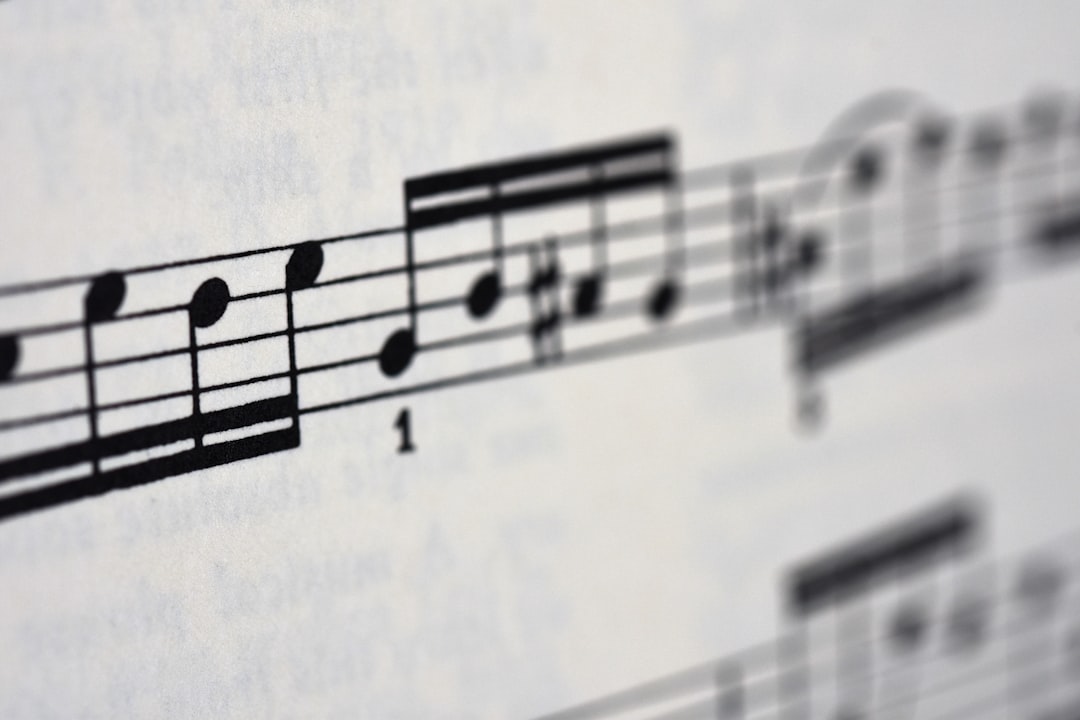
The melody drifts into your living room, a familiar lullaby from your childhood, and suddenly, you’re transported. You can taste your grandmother’s cookies, feel the worn fabric of her armchair, and hear her gentle humming. This isn’t mere nostalgia; it’s a powerful illustration of how music acts as a potent key, unlocking doors to our deepest memories. But what exactly is happening in our brains when a song can so vividly and instantly transport us through time? The science behind the soundtrack of our lives is a fascinating interplay of neurochemistry, emotional processing, and dedicated brain structures. Understanding this connection can not only enhance our appreciation for music but also offer profound insights into the nature of memory itself.
Music, perhaps more than any other sensory input, has a unique ability to evoke strong emotions. This emotional resonance is at the heart of its remarkable memory-triggering power. It’s not just about recalling facts or events; it’s about reliving the feelings associated with those moments.
The Amygdala’s Crucial Role in Music and Emotion
The amygdala, a pair of almond-shaped structures deep within the temporal lobes, is the brain’s primary hub for processing emotions, especially fear and pleasure. When we experience something emotionally charged, the amygdala becomes highly active. Music, with its intricate patterns of rhythm, melody, and harmony, is remarkably adept at stimulating the amygdala. A joyous crescendo can fill us with elation, while a melancholic minor chord can evoke sadness. This direct line to our emotional centers means that any memory strongly linked to a particular emotion is also strongly linked to the music that accompanied it.
Dopamine: The “Feel-Good” Neurotransmitter and Music’s Reward System
When we listen to music we enjoy, our brains release dopamine, a neurotransmitter associated with pleasure and reward. This dopamine release creates a positive feedback loop. The more we enjoy a piece of music, the more dopamine we get, which in turn reinforces our liking for that music. This is why familiar songs can evoke such powerful feelings of comfort and happiness; they are, in essence, rewarding experiences. When a song is associated with a significant positive event – a wedding, a graduation, a first love – the dopamine associated with that memory becomes intertwined with the music, making it an incredibly potent recall trigger.
The Valence and Arousal Model: Understanding Emotional Impact
Psychologists often describe emotional responses based on two dimensions: valence (positive or negative) and arousal (high or low). Music can manipulate both of these dimensions with incredible precision. A fast-paced, upbeat song might have high arousal and positive valence, creating an energetic and happy feeling. A slow, somber piece might have low arousal and negative valence, leading to feelings of melancholy. These distinct emotional profiles become deeply etched into our memories, and when we encounter the music again, those emotional patterns are re-activated, bringing the associated memories along for the ride.
In exploring the intricate relationship between music and memory, it’s fascinating to consider how various techniques can enhance our cognitive abilities. A related article, “How to Build Focus for Long Memory Sessions,” delves into strategies that can help improve concentration and retention, complementing the insights found in “How Music Triggers Memory: The Science Behind the Soundtrack of Our Lives.” You can read more about these techniques and their impact on memory by visiting this link: How to Build Focus for Long Memory Sessions.
The Neurobiological Symphony: How the Brain Processes Music and Memory
Beyond emotion, the intricate architecture of the brain allows for music to be encoded and retrieved in ways that directly impact our ability to remember. This involves a complex interplay of various brain regions working in concert.
The Hippocampus: The Memory Archivist Activated by Sound
The hippocampus, located in the medial temporal lobe, is critical for forming new declarative memories – memories of facts and events. It acts as an archivist, organizing and consolidating information before it’s stored more permanently in other parts of the brain. When we listen to music, particularly in conjunction with a specific experience, the hippocampus plays a vital role in linking the auditory information (the music) to the contextual details of that experience (the people, places, and happenings). This makes the music an anchor for the memory. Research has shown that areas of the hippocampus are activated more strongly when listening to familiar music compared to novel music, suggesting its role in accessing our stored musical memories.
Auditory Cortex: Decoding the Sonic Tapestry
The auditory cortex, located in the temporal lobe, is the primary processing center for sound. It’s responsible for deciphering the fundamental elements of music: pitch, rhythm, volume, and timbre. When music is encountered, the auditory cortex gets to work, breaking down the complex sonic information. This detailed processing ensures that even the subtle nuances of a song can be captured and associated with a memory. Different parts of the auditory cortex are specialized for processing different aspects of sound, creating a rich and detailed representation of the musical stimulus.
The Prefrontal Cortex: Orchestrating Recall and Context
The prefrontal cortex, situated at the front of the brain, is responsible for higher-level cognitive functions, including working memory, decision-making, and memory retrieval. When a piece of music triggers a memory, the prefrontal cortex plays a crucial role in accessing and elaborating on that memory. It helps us to place the memory in its proper context, understand its significance, and even re-experience the associated thoughts and feelings. The prefrontal cortex is also involved in our expectation and anticipation of musical patterns, which can further enhance the emotional and memorial impact of music.
Semantic Memory and Episodic Memory: The Two Pillars of Musical Recall

Music doesn’t just trigger one type of memory; it can tap into both the factual knowledge we possess and the specific life events we have experienced.
Semantic Memory: The Knowledge Encoded in Melodies
Semantic memory refers to our general knowledge of the world, including facts, concepts, and vocabulary. Music can serve as a powerful tool for encoding and retrieving semantic information. Think of learning the alphabet through a song or remembering historical dates with a mnemonic tune. The structured nature of music, with its predictable patterns and repetitions, makes it an excellent vehicle for information that needs to be organized and stored systematically. The melody and rhythm act as organizational frameworks, making the information easier to access later.
Episodic Memory: Reliving the Moments with a Soundtrack
Episodic memory, on the other hand, is our memory of specific personal experiences, including the time, place, and emotions associated with them. This is where music truly shines as a memory trigger. A song playing at your wedding, the tune that was popular during your first road trip, or the lullaby your parent sang to you – these are all deeply ingrained episodic memories tied to specific musical stimuli. When you hear that song again, you don’t just recall the melody; you vividly re-experience the entire event, right down to the sensory details and emotional tenor. This is because the music acts as a powerful contextual cue, reactivating the entire network of neural activity associated with that past experience. The hippocampus’s role in binding sensory information and context to an event is particularly crucial for this type of memory.
Sure, here is the sentence with the clickable link:
I am amazed by the incredible feats of the Memory Athlete.
The Power of Association: How We Link Music to Life Events

The act of associating music with life events is a continuous and often subconscious process that happens throughout our lives. This association is the foundation upon which musical memory retrieval is built.
Classical Conditioning: The Pavlovian Approach to Musical Memories
At its core, the phenomenon of music triggering memory can be understood through the principles of classical conditioning, famously demonstrated by Ivan Pavlov. In classical conditioning, a neutral stimulus (like a piece of music) is repeatedly paired with an unconditioned stimulus (an event or emotion) that naturally elicits a response. Eventually, the neutral stimulus alone can elicit a similar response. For instance, if a joyous party is consistently accompanied by a particular upbeat song, the song itself can become a conditioned stimulus, capable of evoking feelings of joy and recalling the memories of that party, even when the party is long over. The more significant or emotionally impactful the unconditioned stimulus, the stronger the association and the more potent the memory trigger.
Auto-biographical Memories: Music as the Soundtrack to Our Personal Journeys
Our lives are a series of personal narratives, and music often serves as the involuntary soundtrack to these autobiographical memories. From teenage angst to profound life changes, music is woven into the fabric of our personal histories. This is why certain songs can evoke such powerful feelings of identity and self. They are not just sounds; they are auditory markers of who we were, what we experienced, and how we felt at different stages of our lives. The temporal lobe, particularly areas involved in autobiographical memory recall, works in tandem with the auditory cortex to process and retrieve these deeply personal musical memories.
Neuroplasticity: The Brain Rewiring Itself for Musical Memories
The brain is a remarkably adaptable organ, constantly rewiring itself based on our experiences. This neuroplasticity plays a role in how we form and retrieve musical memories. The more we hear a particular song in specific contexts or with specific emotions, the stronger the neural pathways connecting that music to those memories become. These strengthened pathways make it easier for the brain to access and reinstate the entire memory trace when the music is encountered again. This continuous process of association and reinforcement solidifies the link between music and memory, making certain songs incredibly potent anchors to our past.
In exploring the fascinating connection between music and memory, you might find it interesting to read an article that discusses techniques for enhancing memory retention. This piece delves into various strategies that can help individuals remember names more effectively, showcasing the intricate ways our brains process information. For more insights on memory enhancement, check out this article on tricks to never forget names again, which complements the understanding of how music serves as a powerful cue in recalling personal experiences.
Beyond Personal Experience: Music’s Universal Connection to Memory
| Memory Trigger | Effect on Memory |
|---|---|
| Emotional connection | Music can evoke strong emotions, which can help in recalling specific memories associated with those emotions. |
| Rhythm and repetition | Repetitive rhythms in music can aid in memory recall by creating a pattern that the brain can easily recognize and remember. |
| Neurological impact | Music can stimulate various parts of the brain, including the hippocampus which is responsible for memory formation and retrieval. |
| Personal significance | Individuals often associate specific songs or music with important events or people in their lives, leading to strong memory triggers. |
While personal experiences are a primary driver of musical memory, there are also broader, more universal connections that music taps into.
Cultural and Historical Significance: The Collective Memory in Song
Music also plays a vital role in preserving and transmitting cultural and historical memory. National anthems, folk songs, and protest songs all carry the weight of collective experiences and societal narratives. Hearing these songs can evoke a sense of shared history and identity, connecting individuals to a broader cultural consciousness. These are not just personal memories; they are echoes of generations past, embedded in the melodies and lyrics that have traversed time and geography. The prefrontal cortex’s role in social cognition may be particularly relevant here, allowing us to access and participate in collective memory.
The Enduring Power of Familiarity: Why Old Favorites Remain Vivid
The simple power of familiarity cannot be overstated when it comes to musical memory. Songs that we have heard repeatedly throughout our lives, whether consciously or subconsciously, become deeply ingrained in our auditory landscape. This constant exposure strengthens the neural connections associated with them, making them readily accessible. This is why even after decades, a forgotten childhood tune can spring back into sharp relief with surprising clarity. The brain’s tendency to favor familiar stimuli means that these well-worn paths are more easily traversed, making recall almost effortless.
The Uniqueness of Musical Memory: A Special Case in Cognitive Science
Cognitive scientists often study musical memory as a unique and compelling area of research. The highly structured nature of music, its emotional impact, and its ability to evoke vivid autobiographical recall make it a rich subject for understanding the fundamental mechanisms of memory formation and retrieval. The research into how music affects the brain continues to uncover new insights into the complex relationship between sensory input, emotion, and our capacity to remember.
As we’ve explored the intricate ways music weaves itself into the tapestry of our lives, the power of melody to unlock forgotten moments and emotions becomes undeniably clear. The science behind this phenomenon reveals a fascinating interplay of brain regions, neurochemicals, and associative learning. Understanding these mechanisms isn’t just about satisfying curiosity; it’s about recognizing a powerful tool for enhancing our own cognitive abilities.
To truly harness this innate human capacity for recall and cognitive enhancement, consider actively engaging with the principles of memory mastery. By understanding how your brain works and how to optimize its functions, you can unlock new levels of mental acuity.
Ready to elevate your memory and cognitive performance? Download Memory Athlete, the ultimate app for mastering recall, sharpening focus, and unlocking your brain’s full potential. Experience the difference today!





Leave a Reply