
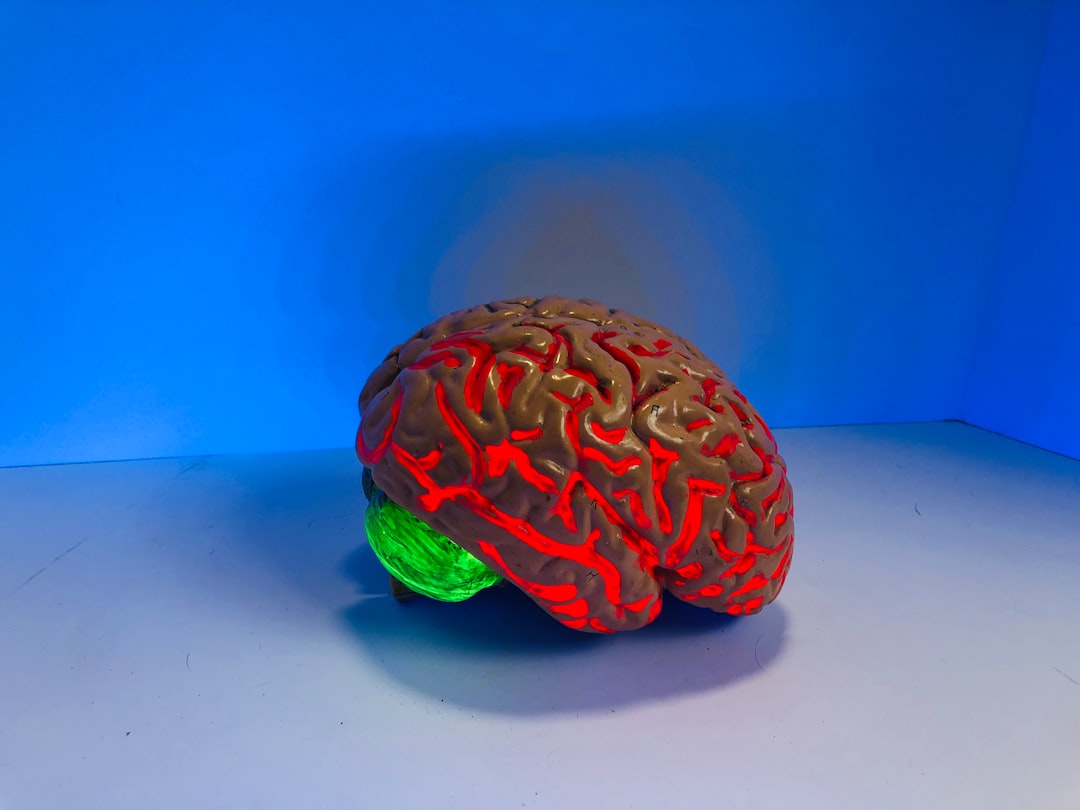
The complex structure of the human brain, especially its memory function, is still a subject of ongoing scientific investigation. The intricate processes that underlie how humans gather, store, and retrieve information are gradually being unraveled by contemporary research, providing significant insights into learning, cognitive decline, and the fundamental components of personal identity. Developments in computational neuroscience, molecular biology, & neuroimaging, each of which adds a distinct viewpoint to our understanding, are the driving forces behind this ongoing study.
Synaptic plasticity, or the capacity of synapses, or the junctions between neurons, to gradually strengthen or weaken in response to increases or decreases in their activity, is at the core of memory formation. According to Donald Hebb’s original explanation of this basic idea, “neurons that fire together, wire together.”. Hebb’s theory has been expanded upon by contemporary research, which has identified particular molecular and cellular actors that control these synaptic alterations. LTP & LTD stand for long-term potentiation and depression, respectively. The main cellular substrates for learning and memory are thought to be LTP, a persistent strengthening of synapses, and LTD, a persistent weakening.
Recent advancements in understanding the intricate relationship between the brain and memory have shed light on various aspects of cognitive function. One particularly interesting area of research focuses on emotional memory and its impact on studying and retention. For further insights, you can explore the article titled “Emotional Memory: How It Helps with Studying,” which discusses how emotions can enhance memory formation and recall. You can read it here: Emotional Memory: How It Helps with Studying.
Alpha-amino-3-hydroxy-5-methyl-4-isoxazolepropionic acid (AMPA) & N-methyl-D-aspartate (NMDA) receptors are two important molecular pathways implicated in these processes that have been identified by research. For example, strong synaptic activation causes the influx of calcium ions through NMDA receptors, which sets off a series of intracellular events that can modify the synapse’s structure and function and ultimately increase its effectiveness. On the other hand, LTD is frequently caused by a decrease in AMPA receptor function, which weakens synapses. Neurotransmitters & receptors’ roles. Other neurotransmitters and their receptors are important in LTP and LTD in addition to glutamate, which is the main excitatory neurotransmitter.
For instance, dopamine influences the plasticity of synapses in regions like the hippocampus and prefrontal cortex, which is linked to reward-based learning & memory consolidation. Acetylcholine affects synaptic plasticity in attentional networks and memory-related structures, and it is essential for learning and attention. Memory encoding is dynamically shaped by the complex network formed by the intricate interactions between these neurotransmitter systems and their receptors. Synaptic Changes in Structure.
Check out the amazing features of the Memory Athlete app for improving your memory skills.
Although changes in receptor efficiency were initially thought to be the cause of LTP and LTD, contemporary research increasingly highlights the significance of structural alterations. The tiny projections on dendrites that receive synaptic input are known as spine morphology, and they can alter dynamically. In order to facilitate signal transmission, potentiation is frequently linked to a reduction in neck length and an increase in spine head size. On the other hand, depression may result in the removal or shrinking of the spine. Unprecedented perspectives of these nanoscale structural dynamics are being made possible by methods like super-resolution microscopy, which directly connect them to memory functions. We don’t have a single, cohesive memory.
Recent advancements in neuroscience have shed light on the intricate relationship between the brain and memory, revealing how various factors influence cognitive functions. For those interested in personal stories of memory transformation, a compelling article titled “From ADHD to Memory Champion: A Transformation Story” explores the journey of an individual who overcame challenges related to attention and memory. This narrative not only highlights the potential for improvement but also underscores the importance of understanding memory mechanisms. You can read more about this inspiring journey here.
| Research Topic | Findings |
|---|---|
| Neuroplasticity | Brain’s ability to reorganize itself by forming new neural connections |
| Memory consolidation | Process of stabilizing a memory trace after initial acquisition |
| Alzheimer’s disease | Progressive neurodegenerative disease affecting memory and cognitive functions |
| Brain training | Activities designed to improve cognitive abilities and memory |
Rather, the brain uses a dispersed network of linked areas, each of which is specialized for a particular kind of memory. Our knowledge of these various memory systems and their interactions is still being improved by contemporary research. The hippocampus serves as a portal to fresh memories. The development of new declarative memories—memories of facts & events—is renowned to depend on the hippocampus, a seahorse-shaped structure located deep within the temporal lobe. Hippocampal damage, as observed in Patient H’s case. “M.”.
results in severe anterograde amnesia, which is the incapacity to create new memories. According to research, the hippocampus serves as a hub for processing & temporary storage, connecting disparate sensory and contextual data to create a coherent memory trace. Consolidation and the consolidation of systems.
Consolidation is the process by which new memories solidify and become independent of the hippocampus. Memories that were first dependent on the hippocampus gradually become independent & are stored in the neocortex during a process known as systems consolidation. It can take weeks, months, or even years to strengthen connections within the neocortical networks that represent memory. Sleep is essential to this consolidation process, and certain sleep stages have been found to be crucial for integrating and fortifying memories.
spatial navigation and memory. Also, the hippocampus plays a crucial role in navigation and spatial memory. When an animal is in a particular area of its surroundings, hippocampal neurons, such as “place cells,” fire. A cognitive map is created by “grid cells” in the entorhinal cortex that project to the hippocampus and offer a more comprehensive depiction of space. In addition to being essential to comprehending memory, research in this field also has implications for comprehending neurological disorders that impact orientation and navigation. The Amygdala: Memory’s Emotional Marking.
The processing of emotions, especially fear, is largely dependent on the amygdala, an almond-shaped structure located in the temporal lobe. Its function in memory is to give events emotional meaning. Because of the amygdala’s impact on other memory-related brain regions like the hippocampus and prefrontal cortex, emotionally charged events are frequently remembered more vividly & for longer periods of time than neutral ones.
Memory encoding is modulated by emotions. Through its interactions with the hippocampus, the amygdala improves memory encoding by strengthening synaptic connections for emotionally significant information. This explains the power and persistence of traumatic memories. On the other hand, memory formation may be weaker when emotions are absent or muted. Current studies are investigating how disorders linked to emotional dysregulation and memory impairment might be treated with interventions targeted at modifying amygdala activity.
Working Memory and Executive Control: The Prefrontal Cortex. A key hub for executive functions, such as working memory, planning, decision-making, & attention, is the prefrontal cortex (PFC), which is situated in the front of the brain. Working memory is necessary for complex cognitive tasks and continuous thought processes because it enables us to temporarily store and manipulate information. Also, the retrieval of long-term memories and their strategic application in present-day situations depend on the PFC.
retrieval of memories and executive functions. As a conductor, the PFC coordinates the retrieval of pertinent memories from storage regions in accordance with current objectives and situational requirements. It concentrates cognitive resources on pertinent information while suppressing irrelevant information. Due to a failure to integrate memory with situational context, damage to the PFC can cause problems with strategic memory retrieval, confabulation (creating false memories), and poor decision-making. In addition to being a phenomenon of neuronal firing patterns, memory is also encoded at the molecular level through modifications in gene expression and protein synthesis, which support changes in the structure and function of neurons. Synthesis of proteins & gene expression.
New protein synthesis and modifications in gene expression are necessary for the development of long-term memories. Neuronal signaling pathways are activated to start this process, which eventually results in transcription factor modification. Following their binding to particular DNA sequences, these transcription factors control the synthesis of proteins that are essential for synaptic plasticity, including receptors, structural proteins, and signaling molecules. Memory formation & CREB.
A transcription factor that has been thoroughly investigated for its function in memory formation is cyclic AMP response element-binding protein (CREB). CREB’s capacity to bind to DNA and stimulate the transcription of genes involved in preserving and fortifying synaptic connections is improved by phosphorylation, which is frequently brought on by synaptic activity. In animal models, genetic modifications that increase CREB activity have been demonstrated to enhance memory formation, whereas inhibiting it impairs long-term memory. Epigenetic alterations. It is becoming more widely acknowledged that epigenetic mechanisms—alterations to DNA and related proteins that change gene expression without altering the underlying DNA sequence—are crucial for memory in addition to direct changes in gene sequence.
Histone acetylation and DNA methylation are two examples of these changes that can fine-tune gene expression patterns, making them potentially reversible and adaptable. Memory-related DNA Methylation and Histone Acetylation. Histone acetylation typically increases gene expression by increasing DNA accessibility, whereas DNA methylation can result in gene silencing.
Both processes may be dynamically regulated during learning and memory formation, according to research. For example, certain DNA methylation and histone acetylation patterns in neurons have been connected to long-term memory consolidation. Comprehending these epigenetic mechanisms provides new opportunities to investigate memory enhancement and memory disorder treatment.
By illuminating what goes wrong when these systems malfunction, the study of memory disorders—which range from age-related memory loss to neurodegenerative diseases like Alzheimer’s—offers an essential window into normal memory function. Alzheimer’s disease: An intricate network of neurodegeneration. The most prevalent cause of dementia is Alzheimer’s disease (AD), which is typified by behavioral abnormalities, cognitive decline, and progressive memory loss. AD is characterized pathologically by the build-up of tau tangles and amyloid-beta plaques in the brain, which cause neuronal death and dysfunction, especially in the hippocampus & surrounding cortical regions. Tau pathology and amyloid beta.
The exact mechanisms by which tau & amyloid-beta contribute to neurodegeneration & memory impairment are still being studied in contemporary research. According to the “amyloid cascade hypothesis,” tau pathology and subsequent neuronal death are caused by an accumulation of amyloid-beta. Recent research, however, points to a more intricate interaction, with tau pathology potentially acting independently at some stages and contributing significantly to the course of the disease. The effectiveness of therapeutic approaches that target tau and amyloid varies.
Synaptic dysfunction and neuroinflammation. It is becoming more widely acknowledged that a major factor in the pathophysiology of AD is neuroinflammation, or the inflammatory reaction that occurs within the brain. Astrocytes, microglia, & the brain’s immune cells all play complicated roles; initial protective reactions may give way to long-term inflammation that worsens neuronal damage. Moreover, AD is marked by extensive synaptic loss & dysfunction even prior to substantial neuronal death, underscoring the vital role synapses play in maintaining cognitive function.
Memory impairment related to age. Aging is often accompanied by some degree of memory decline, though this is not a disease. Slower learning, a diminished capacity to remember specific details, & retrieval issues are usually associated with this.
According to research, these modifications are frequently linked to changes in neurotransmitter systems, decreased hippocampal volume, and modifications in the effectiveness of synaptic plasticity. Cognitive Reserve and Lifestyle Factors. Significantly, current research is highlighting how lifestyle choices can prevent age-related memory loss & increase “cognitive reserve,” or the brain’s resistance to the effects of aging and disease. Memory and general cognitive health have been demonstrated to be protected by a number of factors, including regular exercise, a healthy diet, mentally stimulating activities, & maintaining social connections. New therapeutic approaches for a variety of cognitive disorders could be greatly enhanced by the ongoing research on the brain & memory.
Drug development with a focus. The development of highly targeted medication therapies is made possible by an understanding of the specific molecular pathways involved in memory formation & degradation. This includes attempts to create medications that improve neurotransmitter function, decrease neuroinflammation, remove pathological protein aggregates, and increase synaptic plasticity. Cholinergic Treatments & More.
Increasing acetylcholine levels in the brain is the goal of current Alzheimer’s disease treatments like cholinesterase inhibitors, which can momentarily alleviate cognitive symptoms. The shortcomings of these treatments, however, emphasize the necessity of interventions that deal with the underlying causes of memory loss and neurodegeneration. Modulating more precise targets within the intricate cellular and molecular networks of memory is likely to be the main focus of future drug development. Non-Invasive Methods of Brain Stimulation. The potential of methods like transcranial magnetic stimulation (TMS) and transcranial direct current stimulation (tDCS) to alter neural activity in particular brain regions related to memory is being studied.
These non-invasive techniques may improve memory performance or lessen the consequences of cognitive deterioration. To improve these methods’ parameters and clinical applications, research is still in progress. Computational modeling and artificial intelligence’s role. Memory research is becoming more and more dependent on computational modeling & artificial intelligence.
AI can find intricate patterns and relationships that conventional statistical techniques might overlook by examining enormous datasets from genetic and neuroimaging research. Neural network computational models are being used to test theories about the interactions between various brain regions and molecular mechanisms, as well as to simulate memory processes. In summary, the quest to comprehend the brain and memory is an exciting and dynamic one.
The knowledge gleaned from contemporary research is more than just an academic curiosity; it is opening the door to a better understanding of our own cognitive capacities & the creation of interventions that can greatly enhance the quality of life for people with cognitive difficulties. Download the LiquidSounds app from the home page to improve your concentration, wellbeing, & cognitive potential. It’s the best way to discover your zen, master deep work, and restore the quality of your sleep.
.





Leave a Reply