
The Evolution of Memory Sports
Imagine memorizing a shuffled deck of cards in less than 20 seconds or recalling thousands of random digits. This is the world of memory sports—a fascinating blend of science, strategy, and discipline. Let’s explore how memory competitions have developed over time and how you can apply their secrets to boost your own brain power.
Memory Tricks Through the Ages
The art of memory is ancient. In ancient Greece and Rome, orators used special methods, like the “method of loci,” to recall lengthy speeches. These early techniques laid the foundation for what would become competitive memory training centuries later.
During the Middle Ages, scholars further refined these strategies to memorize religious texts and teachings. Memory was seen not just as a mental tool, but as a vital skill for success and scholarship.
The Birth of Modern Memory Competitions
While memory has always been important, formal memory sports began much more recently. In 1991, the first World Memory Championships was held in London. Inspired by the feats of ancient mnemonists, competitors assembled to test who could remember the most in timed challenges.
Since then, the sport has grown rapidly. Today, memory competitions take place around the world, with athletes of all ages and backgrounds. There are national championships, international tournaments, and even online contests.
Popular Events in Memory Sports
- Numbers: Memorizing long strings of random digits.
- Names and Faces: Pairing names to photographs within minutes.
- Binary Digits: Recalling sequences made up only of 0s and 1s.
- Speed Cards: Memorizing a shuffled deck of cards as quickly as possible.
- Historic Dates: Remembering fictional historical events and dates.
Each event requires specific techniques and immense concentration, making memory sports both a mental challenge and a test of endurance.
How Top Memory Athletes Train
Champions don’t usually have “photographic” memories. Instead, they rely on creative strategies and consistent practice. Here are some of the most effective methods:
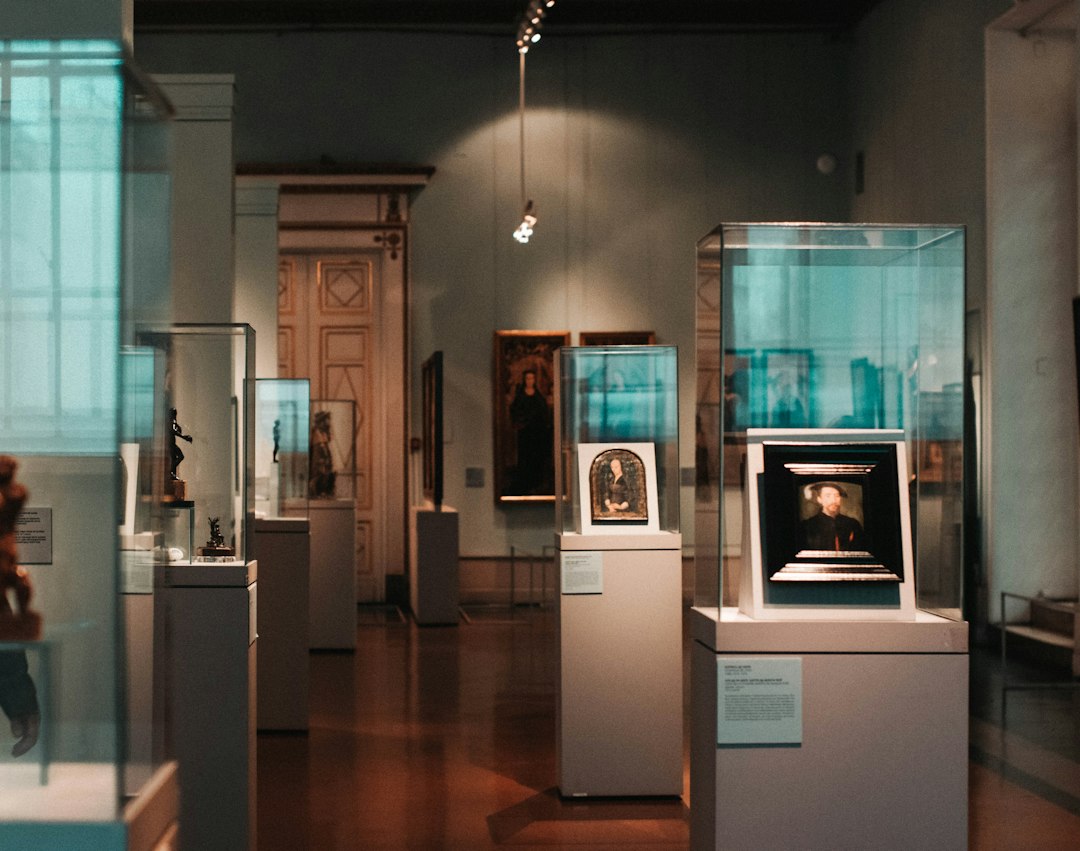
- Method of Loci: Also known as the memory palace, this technique involves visualizing a familiar place and placing pieces of information within different rooms or locations. As you mentally walk through your “palace,” you recall each detail.
- Chunking: Breaking large chunks of data into small, manageable groups. For example, a long list of numbers might be split into sets of three or four.
- Association: Connecting new information to existing knowledge using vivid mental images, rhymes, or stories.
- Visualization: Creating strong mental images makes abstract or boring information easier to remember.
- Active Recall and Spaced Repetition: Testing yourself frequently and spreading study sessions over time helps transfer memories into long-term storage.
The Science Behind Memory Training
Neuroscientists have found that intense mental training changes the brain’s structure and function. Brain scans show that memory athletes use areas linked to spatial awareness when employing the method of loci. Regular practice strengthens neural connections—a process called neuroplasticity.
But you don’t need to be a professional to sharpen your memory. Anyone can train their brain to remember more, faster, and more accurately.
Practical Tips to Improve Your Memory
- Start Small: Practice memorizing short lists, phone numbers, or grocery items using chunking or association techniques.
- Build Your Own Memory Palace: Use familiar places (like your home) to store pieces of information. Try visualizing each room with a unique mental image.
- Use Visual and Emotional Cues: Make information memorable by connecting it to colorful or surprising images, or by linking it to a strong emotion.
- Practice Regularly: Like any other skill, memory improves with daily training. Set aside 10 minutes a day for brain exercises.
- Stay Healthy: Good sleep, exercise, and nutrition play crucial roles in memory formation and recall.
Regularly applying these techniques will not only help you remember more but can also keep your mind sharp as you age.
The Future of Memory Sports
With the rise of technology and global communication, memory sports continue to evolve. Online platforms now allow anyone to compete, learn, and track their progress. New scientific insights offer ways to tailor training and measure results more accurately.
As interest grows, memory sports promise to inspire more people to push the limits of human memory—and to apply these valuable skills in everyday life.
Try Memory Training for Yourself
Ready to see how much you can remember? The best way to understand memory sports is to experience them yourself. The Memory Athlete app is designed for daily brain training, offering exercises based on the science and techniques used by memory champions. Give it a try and start building your own memory superpowers—one step at a time!




Leave a Reply