
Can Memory Techniques Help with Anxiety?
Anxiety can make everyday life feel overwhelming, often clouding your thoughts and leaving your mind scattered. What if training your memory could help ease those feelings? In this article, we’ll explore how memory techniques might support better emotional balance and offer practical steps anyone can try.
Understanding the Link Between Memory and Anxiety
Memory and anxiety are closely connected. When you’re anxious, your brain tends to focus on worries, past mistakes, or fears about the future. This mental clutter can affect your memory, making it harder to remember important information, stay organized, or keep calm during stressful moments.
On the flip side, working on improving your memory gives your mind a positive task and can build confidence. It can also help redirect your thoughts away from anxiety triggers and bring clarity to daily tasks.
The Science Behind Memory Training and Stress Reduction
Studies show that cognitive training—including memory exercises—strengthens the brain and may lower stress levels. When you challenge your mind with memory tasks, you engage neural networks related to attention, organization, and emotional regulation. These processes can help loosen anxiety’s grip by:
- Encouraging focus on the present moment
- Building mental resilience
- Reducing rumination over negative thoughts
How Memory Techniques Can Soothe Anxiety
Using memory techniques isn’t just about remembering names or lists—it’s a way to train your brain to work in new, healthier patterns. Here’s how these methods can specifically help with anxiety:
- Distraction: Focusing on memorization can break cycles of anxious thinking.
- Organization: Structuring information makes daily life feel more manageable and less chaotic.
- Self-Efficacy: Success with memory tasks can boost motivation and self-confidence.
- Relaxation: Some memory techniques, like visualization, have calming effects similar to meditation.
Practical Memory Techniques for Managing Anxiety
Try these simple, research-backed memory techniques. They not only sharpen your mind but also provide a healthy outlet for anxious energy.
1. The Memory Palace (Method of Loci)
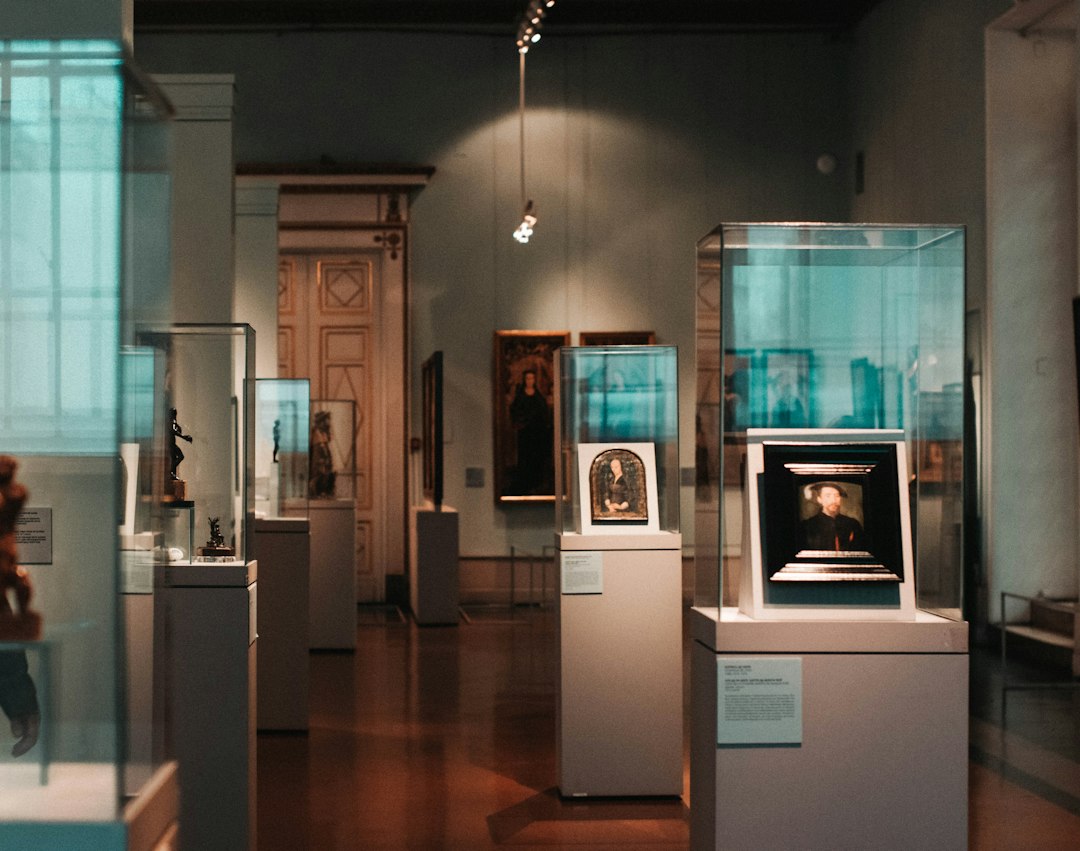
This technique helps organize thoughts and reduces overwhelm. Imagine a familiar place—like your home—and mentally “place” things you want to remember in different rooms. As you walk through this palace in your mind, retrieve your memories one by one. Focusing on this internal space can soothe anxiety by shifting attention away from worries.
2. Chunking Information
“Chunking” means breaking information into smaller, manageable pieces. For example, instead of trying to memorize a long phone number, divide it into groups of 2-3 digits. Use this technique to handle to-do lists or daily goals. Chunking calms the mind and provides a sense of control when life feels overwhelming.
3. Visualization and Association
Create vivid images in your mind to connect information. For instance, to remember someone’s name, imagine an object that sounds like the name and picture it with their face. Visualization is naturally calming and can ease anxious thoughts by occupying your mind with creative exercises.
4. Mindful Repetition
Repeat important information aloud or write it down several times. This focuses your attention and creates a rhythm, which is particularly helpful if you’re feeling restless or tense. Practicing mindful repetition can be both a memory booster and a grounding technique.
5. Linking Lists with Stories
Turn lists of things (like groceries or daily tasks) into a short, silly story. By weaving items together into a narrative, you make them easier to recall and give your mind something playful and light to focus on—helpful during anxious moments.
Daily Habits to Boost Memory and Reduce Anxiety
Beyond specific techniques, certain daily habits nurture both memory and emotional balance. Consider these practical steps:
- Stay Active: Physical movement boosts blood flow to the brain and lowers stress hormones.
- Get Enough Sleep: Rest helps the brain process memories and regulate emotions.
- Eat Brain-Healthy Foods: Omega-3s, leafy greens, and berries support cognitive health.
- Take Short Breaks: Pause every hour to stretch, breathe, or practice a quick memory exercise.
Memory Training as a Positive Focus
When anxiety hits, it’s easy to fall into a loop of unproductive thoughts. Memory training gives your mind a constructive purpose. Over time, building your memory skills can make you feel more capable and less at the mercy of anxious feelings.
Remember, while memory techniques can help manage mild anxiety, they do not replace professional help when needed. If your anxiety is severe or persistent, consider reaching out to a mental health professional.
Ready to Try Memory Training for Anxiety Relief?
Incorporating memory exercises into your daily routine can sharpen your mind and offer a healthy way to cope with anxiety. If you’d like structured guidance and fun, brain-training activities, try the Memory Athlete app. It’s designed for daily brain training—making memory work simple, effective, and enjoyable.




Leave a Reply