
The Uncharted Territories of Choice
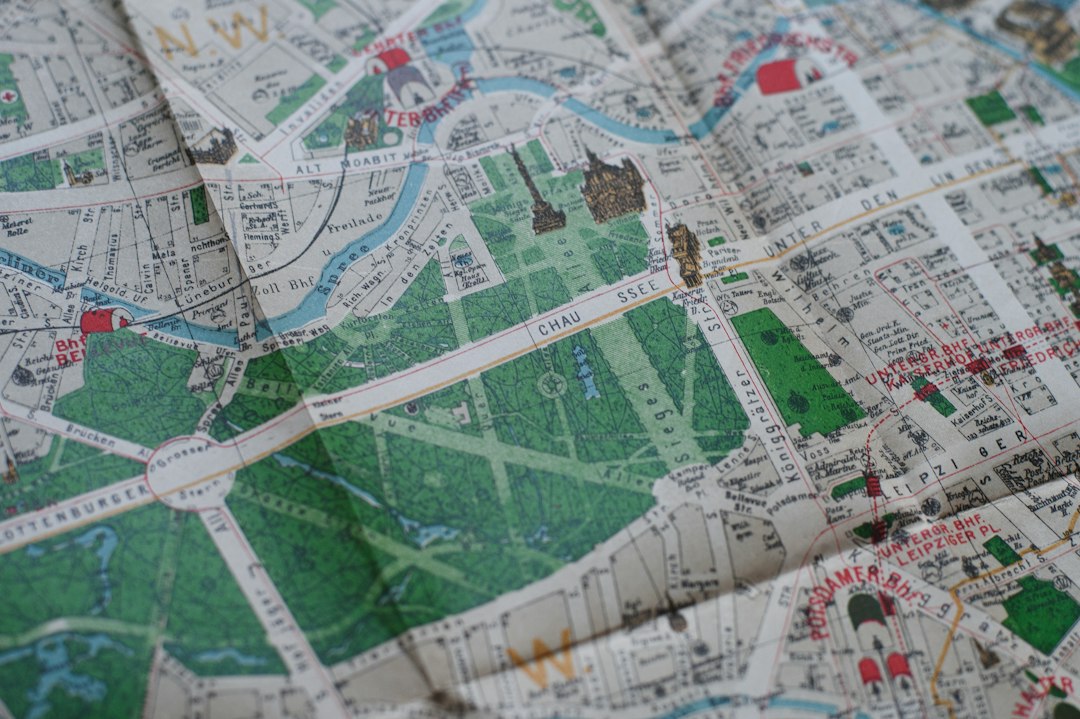
Life is a sprawling network of decisions, a labyrinth where every turn presents new paths and, inevitably, the roads not taken. We often look back, not with regret necessarily, but with a lingering curiosity about the parallel universes that might have unfolded had we chosen differently. This concept extends far beyond mere wistful thinking; it delves into the very fabric of our identity, our cognitive processes, and the narratives we construct about ourselves. The roads we did take define our present, but the roads we didn’t take, the ones that exist only in the realm of hypothesis, are equally potent in shaping our understanding of who we are and who we could have been. These uncharted territories of choice are not mere philosophical constructs; they are actively processed by our brains, influencing our emotional responses, our sense of self-efficacy, and even our future decision-making. Exploring these alternative trajectories isn’t about wallowing in ‘what ifs,’ but rather a sophisticated mental exercise that refines our understanding of causality, opportunity cost, and the profound impact of even seemingly minor deviations from our chosen path. It’s a way of mapping the unseen landscape of potential, enriching our self-awareness and offering profound insights into the nature of personal agency.
The Echoes of Missed Opportunities
Every path not taken leaves an echo, a subtle reverberation that can be heard long after the initial decision is made. This phenomenon isn’t solely confined to life-altering choices like career paths or relationships; it can manifest in the smallest of daily decisions. Choosing one brand of coffee over another, opting for a different route to work, or even engaging in one conversation over another – each of these seemingly insignificant choices carves out a unique reality, simultaneously closing off an infinite number of others. The echoes are often felt as a mild curiosity, a fleeting thought of “what if,” or a more pronounced sense of loss for a perceived better outcome. This isn’t necessarily a negative experience; sometimes, these echoes serve as valuable learning opportunities. They force us to reflect on our decision-making processes, to evaluate the criteria we used, and to consider whether those criteria remain valid. For instance, if we chose a safe, stable job over a risky, passion-driven venture, the echo might be a persistent feeling of creative unfulfillment. This feeling, rather than being a source of regret, can be a powerful motivator to integrate more creative outlets into our current life or to re-evaluate our long-term goals. The brain, in its incredible capacity for simulation, continually runs these ‘what-if’ scenarios, building a richer, more nuanced understanding of cause and effect in our personal lives. This mental rehearsal, while sometimes tinged with longing, is crucial for developing adaptive strategies and refining our internal compass.
Counterfactual Thinking and Personal Growth
The act of contemplating roads not taken is a prime example of counterfactual thinking, a cognitive process where we imagine alternatives to past events. While often associated with regret, counterfactual thinking is a vital mechanism for learning and personal growth. By mentally replaying past decisions and altering key variables, we can identify potential pitfalls, understand the impact of different choices, and develop strategies for more effective future decision-making. This isn’t about dwelling on the past in a detrimental way, but rather about using the past as a laboratory for future improvement. For example, if a past business venture failed, counterfactual thinking might involve imagining what would have happened if different marketing strategies were employed or if a different partner had been chosen. This mental simulation allows us to extract valuable lessons without having to experience the real-world consequences of those alternative choices. It’s a low-cost, high-yield method of acquiring knowledge. Moreover, counterfactual thinking can foster empathy by allowing us to imagine ourselves in the shoes of others facing similar dilemmas. It broadens our perspective, making us less judgmental and more understanding of the complexities of human choice. The brain, in essence, is running sophisticated simulations, constantly refining its internal models of the world and its own place within it.
In exploring the themes presented in “Beyond Memory Lane: Mapping the Roads We Never Took,” readers may find it intriguing to delve into the article titled “5 Ways to Memorize All World Capitals.” This piece offers practical techniques that can enhance memory retention, which complements the reflective journey of understanding the paths we choose not to take. For those interested in improving their memorization skills while contemplating life’s choices, the article can be accessed here: 5 Ways to Memorize All World Capitals.
The Cognitive Architecture of Alternative Realities

Our brains are not merely repositories of past events; they are sophisticated predictive engines, constantly simulating future possibilities and retroactively constructing alternative pasts. This remarkable capacity underpins our ability to contemplate the roads we never took. The cognitive architecture supporting this phenomenon involves a complex interplay of memory, imagination, emotional processing, and executive functions. When we ponder a missed opportunity, our minds don’t just recall the facts of the past; they actively reconstruct a plausible alternative narrative, populating it with imagined experiences, emotions, and outcomes. This process is not entirely conscious; much of it occurs beneath the surface, influencing our moods, our aspirations, and our overall sense of well-being. Understanding this cognitive architecture allows us to appreciate the profound power of our internal narratives and to intentionally engage in more constructive forms of self-reflection. It highlights that the past is not a fixed entity, but rather a dynamic landscape that we continually reinterpret and re-evaluate in light of new information and experiences.
Memory’s Creative Reconstruction
Memory is far from a perfect recording device; it’s a creative reconstructive process, often blending actual events with imagined details. When we reflect on paths not taken, our memories are particularly susceptible to this creative reconstruction. We might recall a past decision and, through the lens of our current circumstances, imbue the unchosen path with a romanticized glow or a terrifying shadow. This isn’t a deliberate deception, but rather a natural byproduct of how our brains process information. Our current emotional state, our present knowledge, and our future aspirations all influence how we reconstruct past alternatives. For instance, if someone is currently unhappy in their career, they might recall a past job offer they declined with an exaggerated sense of what ‘could have been,’ portraying the unchosen path as an idyllic paradise. Conversely, if their current path has been successful, they might retrospectively justify their past choices by downplaying the attractiveness of the alternatives. This creative reconstruction, while sometimes leading to a biased view, is essential for maintaining a coherent personal narrative and for integrating past experiences into our evolving identity. It allows us to imbue meaning into our lives, even if that meaning is partially fabricated. Recognizing this inherent subjectivity of memory can be empowering, allowing us to question our own narratives and to reframe past events in a more constructive light.
The Role of Imagination and Future Simulations
Imagination is the engine that drives our exploration of alternative realities. It allows us to transcend the boundaries of our current experience and to mentally construct scenarios that never occurred. When we consider the roads not taken, our imagination fills in the gaps, creating vivid mental simulations of what life might have been like. These simulations are not random; they are often based on our existing knowledge, our emotional responses, and our understanding of cause and effect. We might imagine a different career path leading to a certain level of financial success, or a different relationship leading to a specific emotional outcome. These imaginative simulations, while purely mental, can have tangible effects on our current emotional state and our future decision-making. They can inspire us to pursue new goals, or they can reinforce our satisfaction with our current choices. Furthermore, these future simulations are a crucial aspect of planning and problem-solving. By imagining various outcomes of potential actions, we can weigh risks and rewards, and select the course most likely to lead to our desired results. This constant interplay between memory, imagination, and future simulation is a hallmark of human cognition, enabling us to learn, adapt, and navigate the complexities of life. It is the very mechanism that allows us to not just remember the past, but to actively engage with the spectrum of what could have been and what might yet be.
The Emotional Landscape of Unchosen Paths

The contemplation of roads not taken is rarely a purely intellectual exercise; it is deeply intertwined with a rich tapestry of emotions. From fleeting wistfulness to profound regret, and from quiet contentment to a yearning for what might have been, our emotional responses to these alternative realities are varied and complex. Understanding this emotional landscape is crucial for navigating the internal dialogues we have about our past choices and for fostering a healthier relationship with our life’s trajectory. These emotions are not merely reactive; they often serve as powerful signals, offering insights into our values, our aspirations, and our unmet needs.
Navigating Regret and Resignation
Regret is perhaps the most prominent emotion associated with roads not taken. It arises when we believe that a past decision led to a suboptimal outcome and that an alternative choice would have yielded a more desirable result. While often perceived negatively, regret, in moderation, can be a valuable learning tool. It highlights areas where our decision-making processes could be improved and can motivate us to avoid similar mistakes in the future. However, excessive or prolonged regret can be debilitating, leading to rumination, self-blame, and a diminished sense of well-being. Closely related to regret is resignation, a feeling of passive acceptance of one’s current circumstances, often accompanied by a sense of missed opportunity. While resignation can offer a degree of peace by disengaging from the struggle, it can also stifle growth and prevent individuals from pursuing new avenues. The key lies in distinguishing between productive regret, which fosters learning and motivates change, and unproductive regret, which traps us in an endless loop of ‘what if.’ Cultivating a mindset of self-compassion and focusing on actionable steps can help mitigate the negative impacts of both regret and resignation, transforming them into opportunities for introspection and forward movement.
The Comfort of Justification and Acceptance
On the other side of the emotional spectrum lies the comfort of justification and acceptance. When we reflect on the roads we didn’t take and feel content with our current path, we often engage in a process of justification. This involves actively reinforcing the reasons behind our past choices and downplaying the attractiveness of the alternatives. This cognitive mechanism serves to protect our ego, reduce cognitive dissonance, and maintain a sense of coherence in our life narrative. For example, someone who chose a stable career over a more creative one might justify their decision by emphasizing the security and benefits of their current job, while simultaneously highlighting the precariousness of artistic pursuits. This isn’t necessarily a dishonest act; it’s a natural psychological tendency to affirm our choices and find meaning in our present circumstances. Acceptance, a more profound state, moves beyond mere justification. It involves embracing the totality of our past decisions, including their imperfections, and recognizing that each choice has contributed to who we are today. Acceptance acknowledges that while alternative paths existed, our current reality is the sum of our actual journey, and that journey, with all its twists and turns, holds intrinsic value. It’s a liberation from the burden of constantly replaying ‘what if’ scenarios, allowing us to fully engage with the present and look towards the future with peace.
If you’re looking to improve your memory skills, the Memory Athlete website offers valuable resources. Many people have found success by following the techniques shared by the Memory Athlete. Whether you’re a beginner or advanced, the Memory Athlete can help you reach your cognitive goals.
The Influence on Our Present and Future Self
The roads not taken, though existing only in the realm of hypothesis, exert a profound influence on our present identity and our future aspirations. They shape our self-perception, our understanding of our own capabilities, and the narratives we construct about our lives. Far from being irrelevant figments of imagination, these alternative trajectories are actively integrated into our cognitive frameworks, impacting everything from our daily decisions to our long-term goals. This influence underscores the dynamic nature of our selfhood, constantly being re-evaluated and redefined in light of both our lived experiences and our imagined ones.
Shaping Personal Narratives and Identity
Our personal narrative is the story we tell ourselves about who we are, where we’ve come from, and where we’re going. The roads not taken play a critical role in shaping this narrative. By mentally contrasting our actual life with imagined alternatives, we can highlight key turning points, emphasize moments of courage or caution, and identify the values that have guided our decisions. For example, someone who deliberately chose a challenging career over an easier one might weave a narrative of resilience and ambition, using the ‘easier path’ as a foil to emphasize their strength. Conversely, someone who feels stuck might construct a narrative around missed opportunities, attributing their current state to a past decision they now regret. These counterfactual narratives, while not always perfectly accurate, are essential for making sense of our lives and for building a coherent sense of self. They allow us to attribute meaning to our experiences and to understand the causal links between our choices and their outcomes. Recognizing the power of these self-narratives empowers us to consciously refine them, focusing on aspects that foster growth, self-compassion, and a sense of agency, rather than dwelling on narratives of limitation or regret.
Guiding Future Choices and Aspirations
The lessons learned from contemplating roads not taken are invaluable for guiding our future choices and shaping our aspirations. By mentally simulating alternative outcomes, we gain a deeper understanding of the potential consequences of different actions, allowing us to make more informed decisions in the present. If reflecting on a missed opportunity reveals a deep-seated desire that remains unfulfilled, it can serve as a powerful catalyst for pursuing that desire in a new form. For instance, if someone deeply regrets not having pursued a creative passion earlier in life, that reflection can inspire them to take up a new hobby, enroll in a class, or even change careers. The hypothetical regrets of the past become the aspirations of the future. Furthermore, contemplating the paths we didn’t take can help us clarify our values and priorities. What truly matters to us becomes clearer when we imagine a life where those values were not prioritized. This process of self-discovery, fueled by counterfactual thinking, leads to a more authentic alignment between our actions and our deepest desires, ultimately guiding us towards a future that is more congruent with our true selves. It’s a continuous feedback loop: the imagined past informs the present, which then shapes the future.
In exploring the themes presented in Beyond Memory Lane: Mapping the Roads We Never Took, readers may find it enriching to delve into an article that discusses effective techniques for retaining historical information. This resource offers valuable insights on how to memorize significant dates and events, which can enhance one’s understanding of the past and its impact on our present. For more information, you can check out the article on memorizing historical dates and events.
Embracing the Unwritten Chapters
| Metric | Description | Value | Unit |
|---|---|---|---|
| Number of Roads Mapped | Total roads analyzed in the project | 150 | roads |
| Untraveled Roads Identified | Roads that were planned but never constructed | 45 | roads |
| Average Length of Untraveled Roads | Mean length of roads never taken | 3.2 | miles |
| Historical Period Covered | Years during which roads were planned | 1920-1980 | years |
| Regions Covered | Number of geographic regions analyzed | 5 | regions |
| Data Sources | Types of data used for mapping | Archival maps, government records, oral histories | n/a |
| Percentage of Roads Repurposed | Untraveled roads converted to other uses | 30 | % |
Ultimately, life is about embracing the journey, not just the destination. While the roads we didn’t take hold a certain allure and offer valuable insights, it is the path we are currently on, the one we actively chose and continue to navigate, that defines our reality. The wisdom lies not in obsessing over alternative histories, but in integrating the lessons learned from our reflections into a more mindful and intentional present. Embracing the unwritten chapters means acknowledging the infinite possibilities that once existed, appreciating the choices that led us to where we are, and empowering ourselves to write the chapters that lie ahead with clarity and purpose. It’s about finding peace with the past, engaging fully with the present, and shaping a future that reflects our most authentic self.
Living with Decisive Acceptance
Decisive acceptance is the active embrace of our chosen path, recognizing that every decision, whether seemingly right or wrong, has contributed to the unique individual we are today. It means moving beyond mere passive acceptance and actively owning our choices, understanding their ramifications, and integrating them into our sense of self. This doesn’t imply a lack of self-improvement or an unwillingness to change; rather, it’s a foundation of self-compassion that allows us to learn from our experiences without being paralyzed by regret. Decisive acceptance empowers us to fully engage with our current circumstances, to find meaning and purpose within them, and to leverage the knowledge gained from past decisions to inform future actions. It’s the realization that while countless alternative realities could have unfolded, the one we are living is uniquely ours, and it is within this reality that our potential for growth and fulfillment truly lies. This state of mind frees up cognitive resources that might otherwise be spent on rumination, allowing for greater focus, creativity, and presence in the here and now.
The Power of Present-Moment Engagement
While reflecting on the roads not taken offers a rich mental exercise, the true power lies in present-moment engagement. By fully immersing ourselves in the now, we can create new paths, seize current opportunities, and write the most compelling chapters of our lives. This doesn’t mean ignoring the past or neglecting future planning; rather, it’s about finding a balance where our reflections inform our present actions without distracting us from them. Present-moment engagement allows us to experience the richness of our current reality, to connect deeply with others, and to fully appreciate the small joys and significant challenges that shape our daily existence. It is in the present that decisions are made, actions are taken, and our lives truly unfold. The roads not taken offer valuable lessons, but the road we are on, the one illuminated by the light of the present moment, is where our actual journey progresses. By focusing our energy and attention on the here and now, we cultivate a deeper sense of fulfillment, agency, and purpose, ensuring that our lives are lived not in the shadows of “what if,” but in the vibrant reality of “what is” and “what can be.”
To wrap up, invite readers to elevate their memory and cognitive performance by downloading Memory Athlete, the ultimate app for mastering recall, sharpening focus, and unlocking their brain’s full potential.
FAQs
What is the concept of mapping the roads we never took?
The concept of mapping the roads we never took refers to exploring the possibilities and opportunities that were not pursued in life. It involves reflecting on the decisions, choices, and paths not taken, and considering how they may have impacted our lives.
How can mapping the roads we never took benefit us?
Mapping the roads we never took can benefit us by providing insight into our past decisions, helping us understand our values and priorities, and guiding us in making future choices. It can also lead to personal growth, self-discovery, and a deeper sense of fulfillment.
What are some ways to explore the roads we never took?
Some ways to explore the roads we never took include journaling about past decisions and regrets, engaging in introspection and self-reflection, seeking feedback from others, trying new experiences or hobbies, and envisioning alternative paths for the future.
How can mapping the roads we never took help us make better decisions?
Mapping the roads we never took can help us make better decisions by providing a broader perspective, considering different possibilities, learning from past experiences, and aligning our choices with our values and goals. It can also increase our self-awareness and emotional intelligence.
Is it possible to revisit or change the roads we never took?
While we cannot change the past or revisit the exact paths we did not take, we can learn from them, make adjustments in the present, and create new opportunities for the future. By reflecting on the roads we never took, we can make conscious choices that align with our aspirations and values.




Leave a Reply