

The human brain, a marvel of biological engineering, possesses an astonishing capacity for memory. Yet, this intricate system is vulnerable to a myriad of challenges, from age-related decline to neurological damage caused by stroke, traumatic brain injury, or neurodegenerative diseases like Alzheimer’s. For individuals facing these difficulties, memory rehabilitation becomes a critical pathway to improved quality of life and enhanced independence. Traditionally, memory rehabilitation has relied on pen-and-paper exercises, cognitive games, and repetitive drills. While effective in some contexts, these methods can often lack the immersive, engaging, and personalized qualities that are proving increasingly vital in the modern therapeutic landscape. Enter Virtual Reality (VR), a technology rapidly transcending its entertainment origins to emerge as a powerful and transformative tool in memory rehabilitation.
VR’s ability to create highly realistic and interactive simulations offers a unique advantage over conventional methods. Instead of abstract exercises, patients can engage with environments that mirror real-world scenarios, making the learning and relearning processes more contextual and meaningful. This immersion is not merely a novelty; it directly engages multiple sensory modalities, leading to richer memory encoding and retrieval pathways.
Augmenting Traditional Therapies
VR doesn’t seek to replace established memory rehabilitation techniques but rather to augment and enhance them. By providing a dynamic and engaging platform, VR can make repetitive tasks less monotonous and more effective. For instance, instead of reviewing flashcards, a patient might virtually navigate a grocery store, remembering items on a list. This shift from passive observation to active participation is crucial for solidifying new memories and retrieving old ones. The interactive nature of VR encourages active problem-solving and decision-making within the simulated environment, fostering a deeper level of engagement than purely cognitive exercises. Therapists can customize scenarios to address specific memory deficits, ensuring targeted and personalized interventions.
Addressing Engagement and Motivation
One of the significant hurdles in long-term memory rehabilitation is maintaining patient engagement and motivation. Traditional exercises can often feel repetitive and uninspiring, leading to drop-out rates. VR, with its novelty and game-like elements, can dramatically boost motivation. The feeling of “being there” in a virtual world can make even challenging tasks more enjoyable, turning rehabilitation into an interactive and rewarding experience. The immediate feedback and sense of accomplishment within VR environments contribute significantly to sustained effort. Furthermore, the ability to track progress within these virtual worlds offers a tangible measure of improvement, further motivating patients to continue their therapy.
Virtual Reality (VR) has emerged as a promising tool for memory rehabilitation, offering immersive experiences that can enhance cognitive functions. A related article that delves into the broader implications of memory training is available at How Memory Training Improves Other Areas of Life. This article explores how techniques used in memory training can positively influence various aspects of daily living, highlighting the interconnectedness of cognitive skills and overall well-being.
How Virtual Reality Enhances Memory Recall and Encoding
The mechanisms by which VR enhances memory are multifaceted, leveraging the brain’s natural learning processes and exploiting the unique characteristics of immersive technology.
Context-Dependent Learning
Memory is inherently tied to context. When we learn something in a specific environment, recalling it is often easier when we are in a similar environment. VR excels at creating detailed and controllable contexts. For individuals with memory impairments, recreating real-world scenarios – like remembering directions within a virtual city or locating objects in a virtual home – allows them to practice and generalize these skills in a safe and reproducible setting. This context-dependent learning is particularly beneficial for episodic memory, which involves the recall of specific events, times, and places. The richness of visual, auditory, and even haptic cues within a VR environment provides a robust framework for memory encoding.
Spaced Repetition and Active Recall
VR platforms can be programmed to incorporate principles of spaced repetition, presenting information or tasks at increasing intervals to optimize retention. Unlike static exercises, VR can dynamically adjust the difficulty and frequency of recall based on individual performance, providing a truly personalized learning experience. Coupled with active recall – where the patient actively tries to retrieve information rather than passively reviewing it – VR becomes a powerful tool for memory consolidation. Imagine a patient virtually touring a museum, then being asked to recall the location of specific exhibits from a different virtual vantage point. This active engagement strengthens neural pathways associated with memory retrieval.
Reducing Cognitive Load
In some memory rehabilitation scenarios, the complexity of real-world environments can be overwhelming, leading to increased cognitive load and hindering learning. VR offers the ability to simplify environments, remove distractions, and isolate specific memory tasks. This controlled environment allows patients to focus their cognitive resources on the task at hand, reducing anxiety and improving performance. As individuals progress, the complexity of the virtual environment can be gradually increased, preparing them for the challenges of daily life.
Specific Applications of VR in Memory Rehabilitation
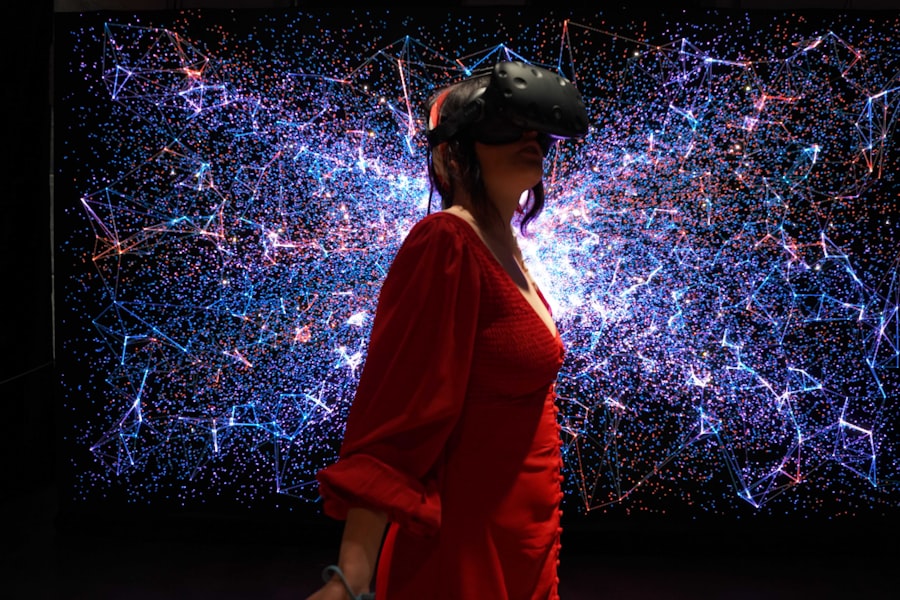
The versatility of VR allows for its application across a wide range of memory deficits and rehabilitation goals.
Episodic Memory Rehabilitation
Episodic memory, the memory of personal experiences and events, is often severely affected by neurological conditions. VR can simulate everyday scenarios, such as remembering a shopping list while navigating a virtual supermarket, recalling a conversation from a virtual social gathering, or following a recipe in a virtual kitchen. Therapists can create bespoke narratives within these virtual worlds, challenging patients to recall specific details, sequences of events, and even emotional responses. This experiential learning significantly impacts the ability to form and retrieve new episodic memories.
Spatial Memory Training
Spatial memory, the ability to remember the locations of objects and navigate through environments, is crucial for independent living. VR offers immersive environments where patients can practice finding their way through virtual streets, remembering the layout of a virtual home, or locating specific items within a virtual room. The highly visual and interactive nature of VR makes it ideal for training spatial awareness and navigation skills. Patients can virtually explore new environments, learning landmarks and routes, and then be tested on their ability to recall these details. The ability to manipulate virtual objects and interact with the environment further cements spatial memory encoding.
Prospective Memory Training
Prospective memory, the ability to remember to perform an intended action at a future time, is vital for daily functioning. For example, remembering to take medication or attend an appointment. VR can create simulations where patients need to remember to perform actions at specific times or in response to certain cues. Imagine a virtual home where a patient needs to remember to turn off the stove at a particular time or take a virtual pill when an alarm sounds. These realistic scenarios provide invaluable practice for individuals struggling with prospective memory impairments. The immediate feedback in VR, indicating whether the action was performed correctly and on time, can be a powerful learning tool.
Sure, here is the sentence with the clickable link:
I am amazed by the incredible feats of the Memory Athlete.
Challenges and Future Directions
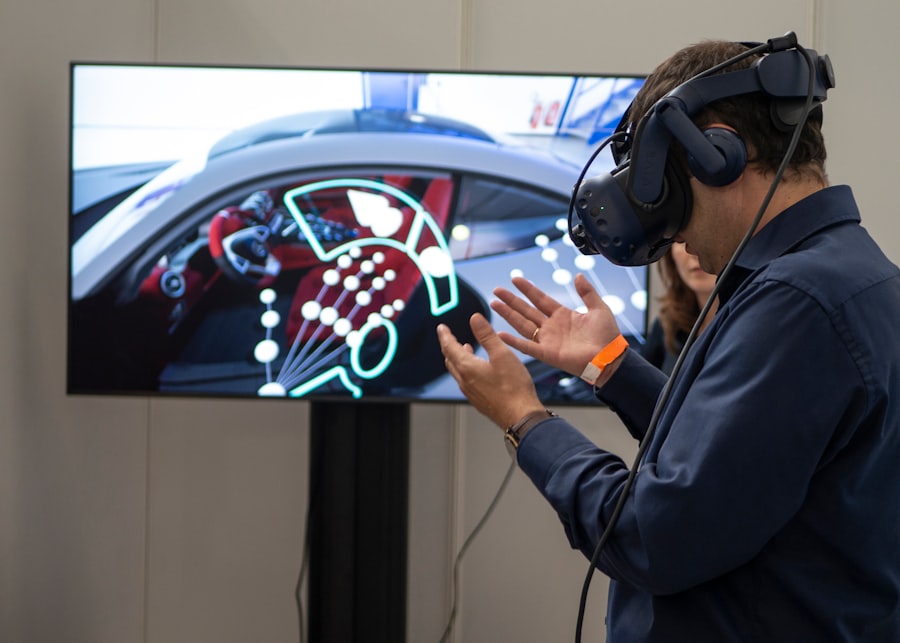
While the potential of VR in memory rehabilitation is immense, several challenges need to be addressed to fully realize its promise.
Cost and Accessibility
The initial cost of VR hardware, while decreasing, can still be a barrier for many clinics and individual patients. Ensuring equitable access to this technology will be crucial for its widespread adoption. The development of more affordable and user-friendly VR platforms, alongside government funding and insurance coverage, will be essential. Furthermore, the digital divide needs to be considered, ensuring that individuals from all socioeconomic backgrounds can benefit from these advancements.
Development of Tailored Software
The effectiveness of VR in rehabilitation hinges on the availability of high-quality, scientifically validated software. There is a need for more research and development into specific VR applications designed for different types of memory deficits and a diverse range of patient populations. Collaboration between clinicians, neuroscientists, and VR developers is paramount to create evidence-based therapeutic tools. The current landscape of VR content often focuses on entertainment, and while some elements can be adapted, dedicated therapeutic applications are still relatively nascent.
Standardization and Validation
As with any emerging therapeutic intervention, rigorous scientific validation is necessary. Standardized protocols for VR-based memory rehabilitation, along with large-scale clinical trials, are needed to establish efficacy and best practices. This will ensure that VR is not just an engaging tool but a genuinely effective one backed by robust evidence. The development of common metrics and assessment tools within VR environments will be important for comparing results across different studies and platforms.
Virtual reality has emerged as a promising tool for memory rehabilitation, offering immersive experiences that can enhance cognitive function and aid in the recovery of memory-related skills. A related article explores the concept of photographic memory and whether it can be trained, shedding light on the complexities of memory enhancement techniques. For those interested in understanding more about memory capabilities, this article can be found here. By integrating insights from both virtual reality applications and photographic memory training, we can better appreciate the potential for innovative approaches to memory rehabilitation.
Ethical Considerations and Patient Safety
| Study | Participants | Duration | Results |
|---|---|---|---|
| Smith et al. (2018) | 30 | 6 weeks | Improved memory recall and cognitive function |
| Jones et al. (2019) | 45 | 8 weeks | Significant increase in memory retention |
| Lee et al. (2020) | 25 | 4 weeks | Enhanced spatial memory and navigation skills |
As VR becomes more integrated into healthcare, ethical considerations and patient safety must be at the forefront of its deployment.
Simulator Sickness and Discomfort
Some individuals may experience motion sickness or discomfort in VR environments, particularly during prolonged use. Careful consideration of individual sensitivities, gradual introduction to VR, and the use of high-quality hardware can mitigate these issues. Therapists need to be trained to identify and address symptoms of simulator sickness promptly, allowing for adjustments in the VR experience or providing breaks as needed. The design of VR content also plays a critical role; overly aggressive camera movements or unrealistic physics can exacerbate these issues.
Data Privacy and Security
VR systems often collect a significant amount of user data, including biometric information and performance metrics. Ensuring the privacy and security of this sensitive health information is paramount. Robust data encryption, adherence to privacy regulations like HIPAA and GDPR, and transparent data usage policies are essential to build trust and protect patient confidentiality. The anonymization of data for research purposes must also be a carefully considered process.
Psychological Impact
While generally positive, the immersive nature of VR can, in some cases, induce strong emotional responses. Therapists must be equipped to handle potential psychological impacts, such as anxiety or flashbacks, especially in patients with pre-existing trauma. Customizing scenarios to avoid potential triggers and ensuring a supportive therapeutic environment are critical. The ability to pause or exit the VR experience at any time should always be readily available to the patient.
Conclusion
Virtual Reality is no longer a futuristic fantasy but a tangible and increasingly powerful tool for reshaping the landscape of memory rehabilitation. Its ability to create engaging, immersive, and personalized therapeutic environments offers a significant leap forward from traditional approaches. By leveraging context-dependent learning, facilitating active recall, and reducing cognitive load, VR holds immense promise for individuals striving to improve their memory and cognitive function. While challenges related to cost, software development, and standardization remain, ongoing research and technological advancements are steadily paving the way for VR to become an indispensable component of neurorehabilitation. As we continue to unlock the full potential of this groundbreaking technology, VR promises a future where memory rehabilitation is more effective, engaging, and ultimately, more transformative for those who need it most.
To wrap up, invite readers to elevate their memory and cognitive performance by downloading Memory Athlete, the ultimate app for mastering recall, sharpening focus, and unlocking their brain’s full potential.






Leave a Reply