
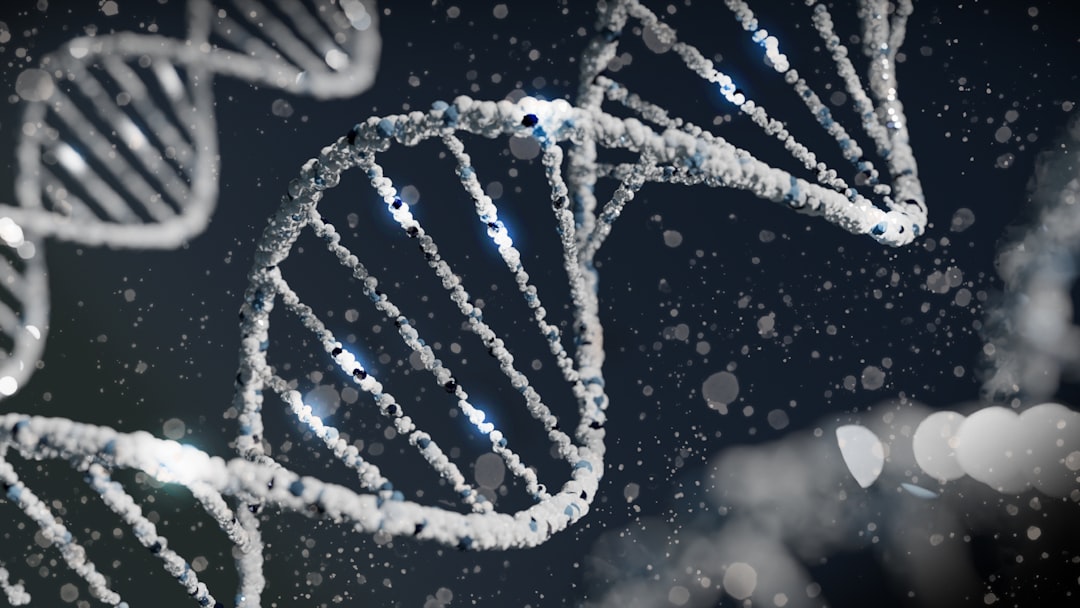
The human mind, a labyrinth of experiences and emotions, is both a marvel and a mystery. While memory allows us to cherish moments, it can also shackle us to the past, particularly in the case of traumatic events. Imagine a world where the scars of trauma could be gently faded, a future where painful memories are no longer a life sentence. This seemingly futuristic concept is edging closer to reality, thanks to the revolutionary gene-editing technology, CRISPR.
Traumatic memories are not merely unpleasant recollections; they are deeply ingrained neural pathways that can profoundly disrupt an individual’s life. Unlike ordinary memories, which fade and become less emotionally charged over time, traumatic ones often retain their vividness and emotional intensity, triggering a cascade of psychological and physiological responses.
The Neurobiology of Fear: How Trauma Rewires the Brain
When a traumatic event occurs, the brain’s fear circuitry, primarily involving the amygdala, hippocampus, and prefrontal cortex, goes into overdrive. The amygdala, the brain’s alarm system, becomes hyperactive, imprinting the traumatic experience with intense emotional tags. The hippocampus, responsible for forming and retrieving declarative memories, may either over-encode the event, leading to vivid flashbacks, or under-encode contextual details, resulting in fragmented and disorienting recollections. Meanwhile, the prefrontal cortex, which usually helps regulate emotions and make rational decisions, can become less effective, contributing to feelings of helplessness and a diminished capacity for emotional control. This complex interplay of brain regions creates a persistent state of hypervigilance and anxiety, forming the bedrock of conditions like Post-Traumatic Stress Disorder (PTSD).
The Debilitating Shadow: PTSD and Its Manifestations
Post-Traumatic Stress Disorder (PTSD) is a severe and debilitating mental health condition that arises after exposure to a traumatic event. Its symptoms are diverse and often incapacitating, significantly impacting an individual’s quality of life. These symptoms typically fall into four main clusters:
- Intrusion Symptoms: This includes distressing memories, flashbacks, nightmares, and intense psychological and physiological reactions to reminders of the trauma. These intrusive thoughts can feel as real and immediate as the original event, plunging the individual back into the terrifying experience.
- Avoidance Symptoms: Individuals with PTSD often consciously or unconsciously avoid people, places, activities, objects, and situations that remind them of the traumatic event. This avoidance can lead to social isolation, inability to engage in previously enjoyed activities, and a general shrinking of their world.
- Negative Alterations in Cognition and Mood: These symptoms manifest as persistent and exaggerated negative beliefs about oneself, others, or the world; distorted thoughts about the cause or consequences of the trauma; diminished interest in significant activities; feelings of detachment or estrangement from others; and a persistent inability to experience positive emotions. This can lead to pervasive feelings of hopelessness, guilt, shame, and a sense of a foreshortened future.
- Alterations in Arousal and Reactivity: This cluster includes irritable behavior and angry outbursts, reckless or self-destructive behavior, hypervigilance, exaggerated startle response, problems with concentration, and sleep disturbance. These symptoms reflect a chronic state of heightened physiological arousal, leaving individuals constantly on edge and easily triggered.
The cumulative effect of these symptoms can be devastating, impacting relationships, employment, physical health, and overall well-being. Current treatments, while effective for many, often involve lengthy and emotionally challenging therapies, and some individuals remain resistant to these interventions, highlighting the urgent need for novel and more targeted approaches.
In exploring the intersection of memory and genetic editing, the article “From Forgetting to Forever: How CRISPR Could Edit Traumatic Memories” highlights the potential of CRISPR technology to alter our recollections. A related article that delves into the techniques of memory enhancement is available at this link: How to Use Spaced Repetition in Competitive Memory. This piece discusses the method of spaced repetition, which can improve memory retention and performance, offering a fascinating contrast to the more radical approach of genetic modification.
CRISPR: A Scalpel for the Genome
CRISPR (Clustered Regularly Interspaced Short Palindromic Repeats) technology has revolutionized genetic engineering since its refinement in 2012. It provides a precision tool for editing DNA, offering unprecedented control over an organism’s genetic blueprint. At its core, CRISPR-Cas9 (the most common and well-studied system) can identify and cut specific sequences of DNA, allowing scientists to remove, add, or alter genes with remarkable accuracy.
The Molecular Scissors: How CRISPR-Cas9 Works
The CRISPR-Cas9 system operates like a sophisticated molecular search-and-replace function. It consists of two key components:
- Cas9 enzyme: This acts as the “molecular scissors” that can cut DNA strands at a specific location.
- Guide RNA (gRNA): This short RNA molecule is designed to match a target DNA sequence. It guides the Cas9 enzyme to the precise location in the genome where the cut needs to be made.
Once the gRNA has led Cas9 to the target DNA, Cas9 makes a double-stranded break. The cell then attempts to repair this break, and scientists can exploit these repair mechanisms to achieve desired genetic modifications. For instance, they can disable a gene by introducing errors during the repair process (Non-Homologous End Joining – NHEJ), or insert new genetic material if a template is provided (Homology-Directed Repair – HDR). This precise targeting and editing capability is what makes CRISPR so powerful and holds immense promise for treating a wide range of genetic diseases.
Beyond Gene Editing: Epigenetic Manipulation
While CRISPR is primarily known for directly altering DNA sequences, its applications are expanding. Scientists are now exploring CRISPR-based tools that can epigenetically modify gene expression without changing the underlying DNA sequence. Epigenetics refers to changes in gene activity that do not involve alterations to the genetic code itself but still affect how cells read and express genes.
For instance, “deactivated” Cas9 (dCas9) can be fused with various effector proteins. If fused with an activator protein, it can enhance the expression of a particular gene. If fused with a repressor protein, it can silence gene expression. Other epigenetic modifiers can alter DNA methylation patterns or histone modifications, both of which play crucial roles in regulating gene activity. This ability to dial gene expression up or down, rather than just cutting and pasting DNA, opens up new avenues for therapeutic intervention, particularly in complex conditions like psychiatric disorders where gene expression patterns, rather than single gene mutations, are often implicated.
Targeting Traumatic Memories: The CRISPR Connection

The audacious idea of using CRISPR to edit traumatic memories stems from our growing understanding of memory formation and consolidation at a molecular level. Memories are not static entities; they are dynamic processes involving protein synthesis and synaptic plasticity.
The Engram Theory: Locating Memories in the Brain
A key concept guiding this research is the “engram theory,” which posits that specific memories are stored in distinct neural ensembles, or “engrams,” within the brain. Researchers have made significant progress in identifying and manipulating these engrams. By using optogenetics or chemogenetics, scientists can selectively activate or suppress specific neural circuits associated with a particular memory. This has allowed them to pinpoint the physical locations and molecular mechanisms underpinning the storage and retrieval of both pleasant and traumatic memories. If we can identify the specific genes or gene products that are critical for the formation, strengthening, or retrieval of traumatic engrams, then CRISPR could, in theory, be used to modify them.
Molecular Mechanisms of Memory Consolidation
Memory consolidation, the process by which unstable short-term memories are transformed into stable long-term memories, is a complex cascade involving gene expression and protein synthesis. Key to this process are immediate early genes (IEGs), which are rapidly activated in neurons undergoing learning-induced plasticity. One such IEG, Arc (Activity-regulated cytoskeleton-associated protein), plays a crucial role in synaptic plasticity and memory consolidation. Arc protein is rapidly synthesized after neuronal activity and is involved in shaping synaptic connections.
Researchers hypothesize that by targeting genes like Arc or other genes involved in synaptic strengthening within the specific engram associated with a traumatic memory, CRISPR could potentially interfere with the consolidation or reconsolidation of that memory. Reconsolidation is a process where a stabilized memory, upon retrieval, temporarily becomes labile and susceptible to modification before being re-stabilized. This fleeting window of vulnerability presents a potential therapeutic target where CRISPR could be deployed to weaken or even overwrite the emotional valence of a traumatic memory.
Ethical Considerations and the “Editing” of Identity
The prospect of editing memories, especially traumatic ones, raises profound ethical questions. The concept challenges our understanding of identity, personal narrative, and the very essence of human experience.
- The Paradox of Authenticity: If traumatic memories are altered or removed, does it dilute the authenticity of an individual’s life story? Our experiences, both good and bad, shape who we are. Would erasing a part of that experience diminish personal growth, resilience, or even the capacity for empathy derived from hardship?
- The Slippery Slope of “Designer Memories”: While the initial focus is on alleviating severe suffering, the potential for broad application could lead to concerns about “designer memories” – where individuals might choose to edit out any uncomfortable or unpleasant memories, leading to a potentially superficial or complacent existence. Who decides which memories are “bad enough” to be edited?
- Informed Consent in a New Frontier: The concept of informed consent becomes even more complex when dealing with interventions that directly impact the brain and an individual’s sense of self. How can individuals truly comprehend the long-term implications of altering their memories, particularly if their psychological state is already compromised by trauma?
- Societal Implications and Justice: Could memory editing exacerbate societal inequalities? Would it be accessible only to the wealthy, creating a divide between those who can afford to forget their suffering and those who cannot? What about the accountability of perpetrators if victims’ memories are altered? These are difficult questions that require extensive ethical debate and societal consensus before such technologies could become widespread.
Sure, here is the sentence with the clickable link:
I am training to become a Memory Athlete and improve my cognitive abilities.
The Horizon: Challenges and Opportunities for Memory Editing
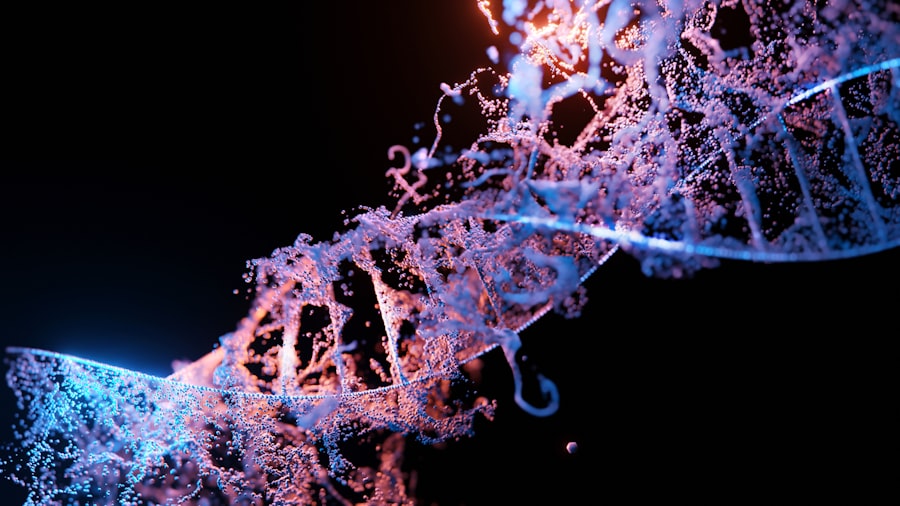
While the promise of CRISPR-based memory editing is immense, significant challenges remain before it can transition from laboratory research to clinical application.
Precision and Specificity: The Holy Grail
A major hurdle is achieving unparalleled precision and specificity. The human brain is an incredibly complex organ, and memories are not stored in isolated pockets. Traumatic memories are often intertwined with other, more benign memories (e.g., the face of a loved one present during a traumatic event). The challenge is to target only the deleterious aspects of a traumatic memory without inadvertently erasing or damaging other crucial memories or cognitive functions. Off-target effects, where CRISPR accidentally edits unintended genes, are a persistent concern in all gene-editing applications and would be particularly problematic in the brain. Developing CRISPR delivery methods that can precisely target specific neuronal populations and even sub-cellular compartments within those neurons will be critical.
Delivery Mechanisms to the Brain
Delivering CRISPR components into specific brain regions and cells poses a substantial technical challenge. The blood-brain barrier, a highly selective membrane that protects the brain from circulating pathogens and toxins, also acts as a formidable obstacle for therapeutic agents. Current delivery methods often involve viral vectors (e.g., adeno-associated viruses, AAVs), which can carry the CRISPR machinery into cells. However, AAVs have limitations, including their packaging capacity, potential for immune responses, and difficulty achieving widespread and uniform distribution throughout the complex brain architecture. Developing non-viral delivery systems, or refining viral vectors for enhanced brain penetration and specificity, is an active area of research.
Reversibility and Unintended Consequences
The question of reversibility is paramount. Can edited memories be restored if the intervention has unintended negative consequences? Given the potential impact on identity and cognitive function, any intervention that is irreversible carries significant ethical and practical risks. Furthermore, the long-term effects of altering specific genes within neural circuits are largely unknown. Could weakening one traumatic memory inadvertently strengthen another, or create new forms of anxiety or emotional dysregulation? Thorough and extensive pre-clinical research, including studies on animal models, will be essential to anticipate and mitigate such unintended consequences. Understanding the complex interplay of neural circuits and the downstream effects of targeted gene editing will be crucial for the responsible development of this technology.
In exploring the potential of CRISPR technology to edit traumatic memories, it is intriguing to consider how our understanding of memory itself is evolving. A related article discusses the concept of involuntary memory and its implications for how we recall past experiences. This piece delves into the mechanisms behind these spontaneous recollections and offers insights into how they might be influenced or altered. For those interested in the intersection of memory and neuroscience, this article can be found here.
Conclusion: Rewriting the Past, Enhancing the Future
| Metrics | Data |
|---|---|
| Publication Date | June 15, 2021 |
| Author | Emily Mullin |
| Article Title | From Forgetting to Forever: How CRISPR Could Edit Traumatic Memories |
| Publication | OneZero |
| Topic | CRISPR and Memory Editing |
The journey from understanding the neurobiology of trauma to the prospect of editing memories with CRISPR is a testament to the relentless curiosity and ingenuity of human endeavor. While the ethical and technical challenges are formidable, the potential to alleviate immense human suffering from conditions like PTSD offers a powerful impetus for continued research. Imagine a future where the insidious grip of trauma can be loosened, allowing individuals to truly heal and reclaim their lives, free from the haunting echoes of the past.
As we stand on the precipice of this new frontier in neuroscience and gene therapy, it is imperative that we proceed with caution, engaging in robust ethical debates alongside scientific exploration. The conversation must be inclusive, involving not only scientists and ethicists but also patients, caregivers, and the wider public. Transparency, accountability, and a deep respect for human autonomy must guide every step of this revolutionary path.
Ultimately, the goal is not to erase all hardship or to create a world devoid of challenge. Rather, it is to provide powerful new tools for healing, allowing individuals to integrate their experiences and move forward, rather than being forever defined by them. The ability to gently fade the most excruciating aspects of traumatic memory, while preserving the wisdom gained, represents a profound leap forward in our quest for mental well-being.
To truly unlock your cognitive potential and sharpen your mind for the challenges and opportunities of the future, remember that memory is a skill that can be honed. Take the first step towards a sharper, more focused mind. Elevate your memory and cognitive performance by downloading Memory Athlete, the ultimate app for mastering recall, sharpening focus, and unlocking your brain’s full potential.





Leave a Reply