
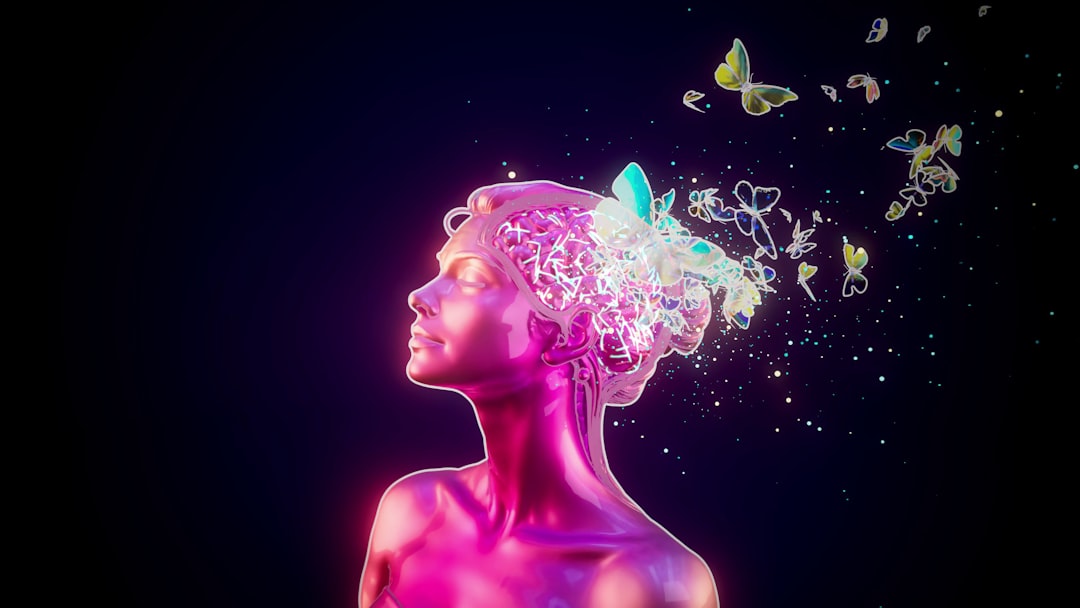
The human brain, a marvel of biological engineering, has long been the subject of fascination and scientific inquiry. Our ability to learn, remember, and process information is fundamental to our existence, shaping our identities and driving our progress. However, memory can be fragile, susceptible to aging, disease, and trauma, leading to profound challenges for millions worldwide. Enter artificial intelligence (AI) and the burgeoning field of neural prosthetics, a powerful confluence that is poised to revolutionize our understanding and augmentation of human memory. This article explores how AI is becoming an indispensable partner in the development of these advanced technologies, offering hope for enhanced cognitive performance, recovery from memory loss, and a deeper understanding of the mind itself.
The intricate network of neurons and synapses that constitutes human memory is incredibly complex. For decades, scientists have strived to map these connections, understand their functional roles, and identify the mechanisms behind memory formation, consolidation, and retrieval. AI, with its unparalleled ability to process vast datasets and identify subtle patterns, is proving instrumental in this endeavor.
Machine Learning for Neural Network Analysis
Neural networks, both biological and artificial, share striking similarities in their structure and function. Machine learning algorithms, particularly deep learning, are allowing researchers to analyze colossal datasets generated from neuroimaging techniques like fMRI and EEG. These AI models can identify patterns of neural activity associated with specific memories or cognitive processes that would be invisible to the human eye.
Identifying Memory Encoders and Decoders
AI algorithms are being trained to recognize the neural signatures that predict the encoding of new information into long-term memory. Conversely, they are also being developed to identify patterns associated with the retrieval of existing memories. This “neural decoding” allows us to better understand which brain regions and neuronal populations are actively engaged during memory-related tasks. For instance, researchers are using AI to analyze the electrical signals from the hippocampus, a brain region critical for memory formation, to predict whether a person will recall a specific visual stimulus.
Simulating and Modeling Synaptic Plasticity
Synaptic plasticity, the ability of synapses to strengthen or weaken over time, is the fundamental basis of learning and memory. AI models are being developed to simulate different aspects of synaptic plasticity, allowing researchers to test hypotheses about how these processes contribute to memory formation and retention. By adjusting parameters within these AI models, scientists can gain insights into the optimal conditions for memory enhancement.
Computational Neuroscience and AI-Driven Hypothesis Generation
AI is not only analyzing existing data but also actively generating new hypotheses. By identifying correlations and anomalies in neural data, AI can point researchers toward previously unconsidered mechanisms or brain regions that might be involved in memory. This shifts the paradigm from a purely data-driven approach to a more collaborative one, where AI acts as a cognitive prosthesis for scientific discovery.
Uncovering Novel Neural Pathways
AI’s ability to sift through complex connectivity data can reveal novel neural pathways involved in memory that traditional methods might miss. This can lead to a more holistic understanding of how different brain regions interact to store and retrieve information, opening up new avenues for therapeutic interventions.
In exploring the transformative impact of artificial intelligence on human memory, the article “How AI Is Revolutionizing Human Memory: The Rise of Neural Prosthetics” provides a fascinating insight into the future of cognitive enhancement. For those interested in further enhancing their memory capabilities, a related article titled “How to Build Focus for Long Memory Sessions” offers practical strategies to improve concentration and retention during study sessions. You can read it here: How to Build Focus for Long Memory Sessions.
The Birth of Neural Prosthetics: AI-Powered Memory Augmentation
The concept of neural prosthetics—devices that directly interface with the nervous system to restore or enhance function—is no longer science fiction, largely thanks to advancements in AI. These devices aim to mimic or supplement the brain’s natural memory processes, offering a lifeline to individuals suffering from memory deficits.
Direct Brain-Computer Interfaces (BCIs) for Memory Restoration
BCIs create a direct communication pathway between the brain and external devices. In the context of memory, these BCIs can be designed to bypass damaged brain areas or to amplify weakened neural signals. AI plays a crucial role in translating complex neural signals into actionable commands for the prosthetic device and vice versa.
Hippocampal Prosthetics for Memory Consolidation
One of the most promising areas of research involves developing hippocampal prosthetics. These devices aim to mimic the hippocampus’s role in converting short-term memories into long-term ones. AI algorithms are essential for decoding the neural patterns associated with memory consolidation and then generating appropriate electrical stimulation to guide the process in a damaged or dysfunctional hippocampus.
Decoding Encoders and Stimulating Decoders
Imagine a BCI that can “listen” to the brain’s nascent memory traces. AI models can identify the specific neural firing patterns that indicate successful encoding. Then, the prosthetic can use this information to provide targeted electrical stimulation to the hippocampus or related areas to reinforce that encoding, effectively enhancing memory consolidation.
Coders for Memory Retrieval
Beyond consolidation, AI is also being explored for augmenting memory retrieval. This could involve devices that “listen” to the brain’s attempts to access a memory and then amplify or re-route the relevant neural signals if they are weak or disrupted. AI algorithms can learn to recognize the subtle neural cues associated with a memory being sought and then generate the necessary stimulation to facilitate its recall.
Peripheral Nerve Prosthetics for Sensory Memory
Memory is not just about abstract information; it’s also about sensory experiences. AI-powered peripheral nerve prosthetics are being developed to restore lost sensory memories, such as the sense of touch or the ability to recognize familiar scents.
AI-Driven Sensory Signal Reconstruction
For example, in cases of nerve damage affecting the hand, AI can be used to interpret the residual signals from the intact nerves and then stimulate prosthetic finger sensors to generate a sensation of touch. AI’s advanced pattern recognition is critical in translating the limited neural input into a coherent sensory experience for the user.
Bridging the Gap: AI as the “Interpreter” of Neural Language
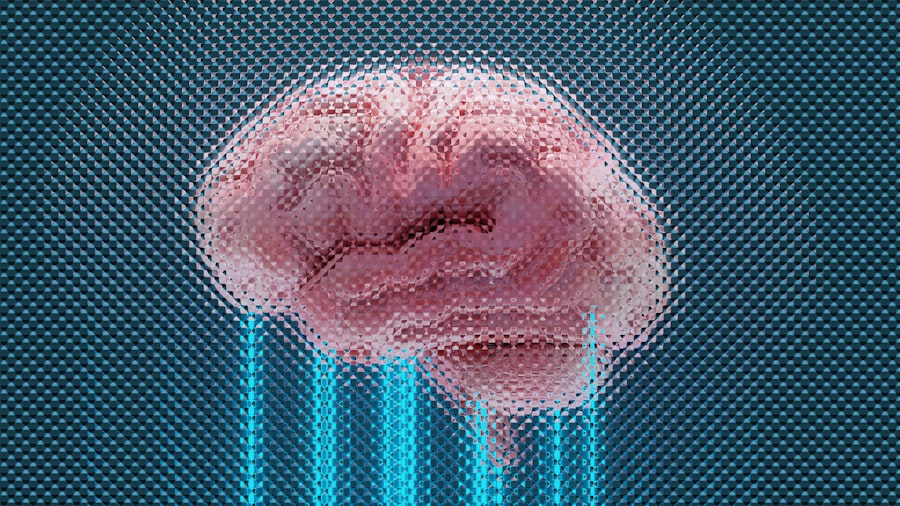
The brain communicates through a complex electrical and chemical language. AI acts as the crucial “interpreter” that allows us to understand this language and to communicate back to the brain through neural prosthetics.
Decoding Neural Activity with Machine Learning
As mentioned earlier, machine learning algorithms are the cornerstone of decoding neural activity. These algorithms are trained on vast datasets of brain activity, learning to associate specific patterns of neuronal firing, electrical oscillations, and neurotransmitter release with particular thoughts, emotions, or memories.
Supervised Learning for Pattern Recognition
In supervised learning, researchers provide the AI with labeled data – for instance, showing the brain activity when a person is shown a specific image and then telling the AI that this activity corresponds to that image. Over time, the AI learns to recognize the unique neural “fingerprint” of various memories or cognitive states.
Unsupervised Learning for Discovering Novel Patterns
Unsupervised learning allows AI to discover hidden patterns in neural data without explicit labeling. This can be particularly useful for identifying new relationships between brain activity and cognitive function that researchers may not have initially considered.
Generating Artificial Neural Signals
Just as AI decodes neural signals, it also excels at generating them. Once AI has learned the “language” of the brain, it can generate artificial electrical or chemical signals that mimic natural neural activity. This capability is vital for stimulating specific neural pathways in a way that the brain can interpret.
Targeted Electrical Stimulation
AI algorithms can precisely control the timing, frequency, and amplitude of electrical stimulation delivered by neural prosthetics. This allows for fine-tuning the stimulation to achieve specific cognitive outcomes, such as enhancing memory consolidation or facilitating the retrieval of specific information.
Neurotransmitter Mimicry
While still in its nascent stages, research is also exploring how AI can be used to control the release or mimic the action of neurotransmitters, the chemical messengers of the brain. This could offer a more nuanced and potentially powerful way to modulate neural activity and memory.
Sure, here is the sentence with the clickable link:
I am training to become a Memory Athlete and improve my cognitive abilities.
Ethical Considerations and the Future of Memory Augmentation

The revolutionary potential of AI-powered neural prosthetics for memory enhancement and restoration is undeniable. However, this powerful technology also raises significant ethical considerations that must be addressed proactively.
The Definition of Human Identity and Memory
If our memories can be augmented or even partially replaced by artificial means, how does this affect our sense of self? The question of what constitutes “authentic” memory becomes paramount. This could lead to philosophical debates about consciousness, personal identity, and the very essence of being human.
Authenticity of Memories Created or Enhanced by AI
When an AI assists in the formation or recall of a memory, is that memory as “real” or as meaningful as one formed organically? This raises questions about the subjective experience of memory and the value we place on its origins.
The Potential for Memory Manipulation
The very power that allows AI to enhance memory also opens the door to potential manipulation. This could range from subtle biases introduced by the AI to more concerning scenarios of deliberate alteration or erasure of memories. Robust safeguards and ethical guidelines are crucial to prevent misuse.
Equity and Access to Memory Augmentation Technologies
As with many advanced technologies, there is a risk that memory augmentation could exacerbate existing societal inequalities. Ensuring equitable access to these life-changing technologies will be a significant challenge.
The Digital Divide and Cognitive Enhancement
If memory augmentation becomes a significant advantage in academic or professional settings, those without access to these technologies could be left further behind. This highlights the need for thoughtful policy discussions to ensure inclusivity.
The Commercialization of Memory
The potential for profit in memory augmentation technologies could lead to their prioritization over the needs of those most affected by memory loss. Ethical frameworks must be in place to ensure that the primary goal remains human well-being.
Regulatory Frameworks and Oversight
Developing appropriate regulatory frameworks for AI-powered neural prosthetics is essential. These frameworks need to address issues of safety, efficacy, data privacy, and ethical use.
Ensuring Safety and Efficacy
Rigorous testing and validation processes will be necessary to ensure that these devices are safe and effective for their intended purposes. This includes long-term studies on their impact on brain health and overall well-being.
Data Privacy and Security
Neural data is inherently sensitive. Strict protocols for data privacy and security will be paramount to protect individuals’ personal information and prevent unauthorized access or use.
In exploring the transformative impact of AI on human memory, particularly through the development of neural prosthetics, it is also worthwhile to consider how memory training can benefit older adults. A related article discusses the effectiveness of memory training techniques and their potential to enhance cognitive function in this demographic. For more insights on this topic, you can read the article on memory training for older adults. This connection highlights the broader conversation about how technology and training can work together to improve memory and cognitive health.
The Unlocking of Cognitive Potential: Beyond Restoration to Enhancement
| Metrics | Data |
|---|---|
| Number of Neural Prosthetics Users | Increasing |
| Improvement in Memory Recall | Significant |
| Accuracy of Memory Retrieval | Enhanced |
| Neural Prosthetics Market Growth | Rapid |
While the primary focus of early neural prosthetics has been on restoring lost memory function, the ultimate promise of AI in this domain lies in cognitive enhancement. This opens up a future where individuals can elevate their natural memory and cognitive abilities to unprecedented levels.
Sharpening Focus and Attention Span
AI-powered tools can analyze patterns of attention and distraction, providing real-time feedback and intervention to help individuals maintain focus. This could be invaluable for students, professionals, and anyone seeking to optimize their performance in tasks requiring sustained attention.
Personalized Attention Training
AI can identify individual attentional patterns and tailor training programs to address specific weaknesses. This could involve subtle auditory cues, visual prompts, or even micro-adjustments to the user’s environment to maintain optimal focus.
Reducing Cognitive Load
By intelligently managing information flow and prioritizing relevant stimuli, AI can help reduce cognitive load, freeing up mental resources for more complex tasks and deeper processing.
Accelerating Learning and Skill Acquisition
The ability to learn and acquire new skills is fundamental to human progress. AI-powered neural prosthetics hold the potential to significantly accelerate this process by optimizing memory consolidation and retrieval for new information.
Targeted Learning Interventions
Imagine an AI that can identify the optimal times and methods for learning new information based on an individual’s unique cognitive profile. This could lead to more efficient and effective learning experiences, making it easier to master new languages, complex subjects, or intricate skills.
Enhancing Memory Retention of Learned Material
AI can assist in the ongoing reinforcement of learned material, ensuring that knowledge is not lost over time. This could involve personalized spaced repetition schedules or personalized quizzes that adapt to the user’s retention levels.
Fostering Creativity and Problem-Solving
By facilitating access to a wider range of memories and enabling novel connections between disparate pieces of information, AI could also play a role in enhancing creativity and problem-solving abilities.
Idea Generation and Association
AI can help individuals explore vast mental databases, identifying unexpected connections and associations that can spark new ideas and innovative solutions.
Enhanced Scenario Planning
By rapidly processing information and simulating potential outcomes, AI could assist in more robust and insightful scenario planning, aiding in complex decision-making processes.
The integration of AI with neural prosthetics represents a paradigm shift in our approach to human memory. It offers not only the hope of alleviating the suffering caused by memory loss but also the exciting prospect of unlocking untapped cognitive potential. As we continue to unravel the mysteries of the brain and refine the capabilities of AI, the future of human memory, augmented by intelligent technology, appears brighter and more expansive than ever before.
To wrap up, we invite you to embark on your own journey of cognitive empowerment. Elevate your memory and cognitive performance by downloading Memory Athlete, the ultimate app for mastering recall, sharpening focus, and unlocking your brain’s full potential.





Leave a Reply