
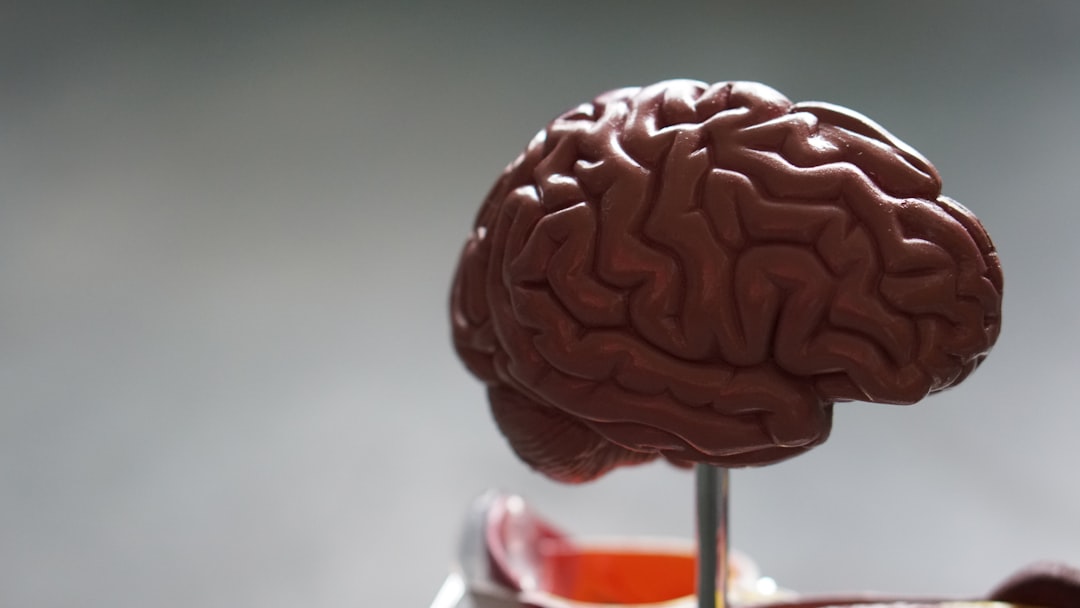
So, you’re wondering if you can actually boost your memory, right? The short answer is yes, absolutely! It’s not about magic pills or innate genius. It’s about understanding how your brain works and giving it the right kind of exercise. Think of your memory like a muscle; it needs consistent training to get stronger and more efficient. Our program is designed to equip you with practical, science-backed strategies to do just that, making it easier to recall information, learn new things, and stay sharp.
Before we dive into training, let’s get a little clearer on what we’re working with. Memory isn’t a single entity; it’s a complex system with different stages and types. Understanding these fundamental aspects will make the training much more effective. It’s not about memorizing facts about memory, but about grasping the principles that enable learning and recall.
Stages of Memory Formation
Think of memory formation like building something. You need to gather the materials, put them together, and then store them so you can access them later.
Encoding: The First Step
This is where information enters your brain. It’s like taking notes during a lecture. If you’re not paying attention, or if the information isn’t presented in a way you can grasp, the encoding process is weak. Our program focuses on techniques to make encoding more robust, ensuring that information is captured effectively in the first place. This involves active engagement, not passive reception.
Storage: Keeping It Safe
Once encoded, information needs to be stored. This happens in different parts of your brain, depending on the type of memory. Some memories are short-lived, like remembering a phone number just long enough to dial it. Others are long-term, like your childhood memories. The strength of storage depends on how well the information was encoded and how often it’s accessed or reinforced.
Retrieval: Accessing What You Need
This is the part most people think of when they say they have a bad memory: “I can’t recall it!” Retrieval is the process of pulling that stored information back into your conscious awareness. If encoding and storage were weak, retrieval will be difficult. Our training emphasizes strategies to improve your ability to access stored information efficiently.
Types of Memory
Just as there are stages, there are different kinds of memory we rely on daily. Recognizing these distinctions helps us tailor our training to specific needs.
Short-Term Memory (Working Memory)
This is your mental scratchpad, holding information for a brief period. It’s crucial for tasks like following instructions, doing mental math, or holding a conversation. Enhancing working memory means being able to juggle more information effectively at once.
Long-Term Memory
This is your vast archive, holding information for extended periods. It’s where you store facts, skills, personal experiences, and learned knowledge. Long-term memory is further divided into:
Explicit/Declarative Memory
This is memory for facts and events that we can consciously recall and talk about. Think of historical dates or your last birthday party. Our program aims to build strong, accessible declarative memories.
Semantic Memory
This refers to general knowledge about the world, like knowing that Paris is the capital of France. It’s the collected wisdom you’ve accumulated.
Episodic Memory
This is memory for specific personal experiences, like your first day of school or a memorable trip. These are like personal movie clips in your mind.
Implicit/Non-Declarative Memory
This is memory that we don’t consciously recall but that influences our behavior. Think of riding a bike or typing without looking at the keys. These are skills and habits. While our primary focus is often on declarative memory, improving cognitive function generally bolsters implicit memory as well.
If you’re looking to enhance your memory training techniques, you might find the article on overcoming plateaus in memory practice particularly useful. It offers valuable insights and strategies to help you push through challenging phases in your training. To read more about this topic, check out the article here: What to Do When You Hit a Plateau in Memory Practice.
Core Strategies for Memory Enhancement
Now that we have a basic understanding, let’s get into the actionable strategies. These are the tools you’ll learn to use consistently to see improvements. They aren’t complicated, but they require dedicated practice.
The Power of Attention and Focus
You can’t remember something you never truly registered in the first place. This might sound obvious, but in our distraction-filled world, true focus is a rare and valuable commodity.
Minimizing Distractions
Our brains are wired to notice novel stimuli, which is why a notification from your phone can derail your train of thought. We’ll teach you how to create environments conducive to learning and focus, whether you’re trying to absorb a new concept or recall a specific detail. This isn’t about forcing yourself to endure distractions, but about managing them strategically.
Active Listening and Observation
Passive consumption of information is the enemy of good memory. We encourage active engagement – asking questions (even to yourself), making connections, and consciously trying to understand. This turns you from a sponge into an active participant in the learning process.
Leveraging Techniques for Encoding
How you initially process information significantly impacts how well you can recall it later. These techniques make the encoding process more robust.
Visualization and Imagery
Our brains are remarkably adept at remembering images. We teach you to create vivid mental pictures of the information you want to remember. This could be associating a person’s name with a memorable image or creating a mental journey to store a list of items. The more unusual or striking the image, the better it sticks.
Association and Linking
Connecting new information to something you already know is a powerful memory hook. We help you build strong associative networks, creating chains of information that make recall smoother. Think of it like adding a new book to a shelf you know well versus placing it in a completely new, unorganized section.
Elaboration and Meaning-Making
Simply repeating information isn’t as effective as understanding its context and significance. We guide you to elaborate on what you’re learning, asking “why” and “how” questions to build deeper meaning. The more personally relevant you can make information, the more likely you are to retain it.
Strengthening Memory Storage and Retrieval
Encoding is only half the battle. You need to ensure the information is stored effectively and that you can get it back when you need it.
Spaced Repetition
This is one of the most scientifically validated methods for long-term retention. Instead of cramming, you review information at increasing intervals. This tells your brain that the information is important and worth holding onto. We provide tools and guidance on how to implement effective spaced repetition schedules.
Active Recall (Testing Yourself)
Instead of passively re-reading notes, actively try to retrieve the information from your memory. This can be done through flashcards, quizzing yourself, or even just trying to explain a concept aloud. This strengthens the neural pathways for retrieval. The effort of recalling actually reinforces the memory more than just re-reading.
Mnemonics and Memory Aids
These are structured techniques designed to help encode and retrieve specific types of information. We cover a range of mnemonics, from acronyms and acrostics to the more complex Method of Loci (Memory Palace). These are not just for memorizing lists; they are versatile tools for organizing and recalling complex data.
Building Effective Learning Habits
Memory enhancement isn’t just about specific techniques; it’s also about adopting practices that support overall brain health and learning. Consistent habits are key.
The Role of Sleep in Memory Consolidation
Sleep is when your brain does a lot of its heavy lifting for memory. During sleep, your brain processes and consolidates memories from the day, moving them from short-term storage to long-term. Skimping on sleep is like trying to organize a library during a storm – inefficient and damaging.
Understanding Sleep Cycles
We touch upon how different sleep stages contribute to memory. Getting enough quality sleep, and understanding sleep hygiene, directly impacts your ability to learn and recall. This isn’t about forcing yourself to sleep more, but about optimizing the sleep you get.
Practical Sleep Strategies
We offer practical tips for improving sleep quality, which in turn will support your memory training. This includes things like establishing a regular sleep schedule, creating a relaxing bedtime routine, and optimizing your sleep environment.
The Impact of Physical Activity on Brain Health
Your body and brain are connected. Regular physical activity has profound benefits for cognitive function, including memory.
Increased Blood Flow to the Brain
Exercise increases blood circulation, delivering more oxygen and nutrients to your brain cells. This creates a more optimal environment for neurons to function and form connections.
Neurotransmitter Production
Physical activity stimulates the release of neurotransmitters like dopamine and serotonin, which play roles in mood, motivation, and cognitive processes related to learning and memory.
Promoting Neurogenesis
Emerging research suggests that exercise might even promote neurogenesis – the creation of new neurons – in areas of the brain important for memory, like the hippocampus. We encourage incorporating regular movement into your routine.
Nutrition and Brain Function
What you eat directly fuels your brain. Certain nutrients are particularly important for cognitive health and memory.
Essential Nutrients for Brain Health
We highlight key nutrients like omega-3 fatty acids, antioxidants, B vitamins, and choline, and explain how they support brain function. Think of these as high-octane fuel for your brain.
Hydration’s Crucial Role
Even mild dehydration can impair cognitive function, including attention and memory. Staying adequately hydrated is a simple yet vital step in maintaining optimal brain performance.
How Diet Connects to Memory
We provide practical advice on dietary choices that can support memory, without resorting to fad diets or restrictive eating patterns. It’s about making smart, sustainable choices.
Integrating Memory Training into Daily Life

The goal isn’t to become a memory champion overnight, but to weave these practices into your everyday routine so they become second nature. This is where the real, lasting change happens.
Making Learning an Active Pursuit
Shift your mindset from passive reception to active engagement with the world around you.
Curiosity and Continuous Learning
Cultivating a sense of curiosity about topics, big or small, fuels the desire to learn and remember. We encourage you to see every interaction and experience as a potential learning opportunity.
Setting Realistic Learning Goals
Break down complex information into manageable chunks. Celebrate small victories as you learn and retain new information. This builds momentum and prevents overwhelm.
Practical Application of Memory Techniques
We don’t just teach you the techniques; we show you how to use them in real-world scenarios.
Memorizing Names and Faces
This is a common challenge. We provide concrete methods to help you remember people you meet, making social and professional interactions smoother.
Learning New Skills and Subjects
Whether it’s a new language, a complex work-related skill, or a hobby, our program equips you with strategies to learn and retain information more effectively.
Remembering Important Dates and Details
From birthdays to deadlines, improved recall helps you stay organized and on track. We offer practical approaches to ensure you don’t miss crucial information.
Review and Reinforcement Strategies
Memory isn’t a one-time event; it’s an ongoing process. Regular review keeps your memories sharp.
Scheduling Regular Review Sessions
We guide you on how to integrate short, effective review sessions into your week without it feeling like a chore. This is about maintaining strength, not just building it.
Utilizing Technology for Memory Support
We explore helpful apps and digital tools that can aid in spaced repetition, note-taking, and information organization, making memory training more accessible and efficient.
If you’re interested in enhancing your cognitive abilities, you might find the article on memory techniques particularly useful. It offers insights specifically tailored for musicians and music students, showcasing how memory training can significantly improve their practice and performance. To explore these strategies further, you can read the full article here.
Your Personalized Memory Journey
“`html
| Participant | Age | Pre-training Memory Score | Post-training Memory Score |
|---|---|---|---|
| Participant 1 | 25 | 70% | 85% |
| Participant 2 | 40 | 60% | 75% |
| Participant 3 | 30 | 65% | 80% |
“`
Our program isn’t a one-size-fits-all solution. We believe in tailoring the approach to your individual needs and learning style.
Assessing Your Current Memory Strengths and Weaknesses
We help you identify areas where you excel and where you might need more focus. Understanding your starting point is crucial for charting your progress.
Identifying Individual Learning Styles
Are you a visual learner? Auditory? Kinesthetic? Knowing your preferred learning style allows us to adapt techniques for maximum impact.
Creating a Sustainable Training Plan
The best plan is one you can stick with. We work with you to develop a realistic and enjoyable routine.
Setting Achievable Milestones
We help you set clear, measurable goals, so you can track your progress and stay motivated. Seeing improvement is a powerful reinforcer.
Adapting Strategies as You Progress
As your memory improves, your needs will evolve. We provide ongoing support to help you adapt your training and continue to grow.
This isn’t about becoming a different person; it’s about unlocking your brain’s full potential. By understanding how memory works, applying proven techniques, and building supportive habits, you can significantly boost your ability to learn, remember, and thrive. Our training program is designed to be your practical guide on that journey, providing the tools and knowledge you need to make your memory sharper, more reliable, and a true asset in your life.






Leave a Reply