
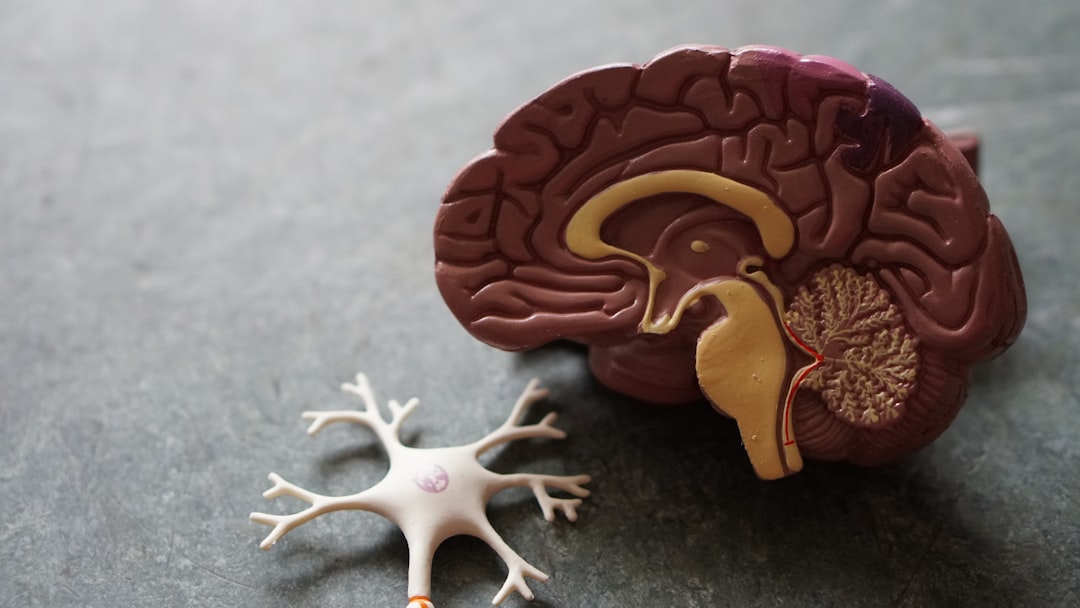
Thinking about giving your brain a bit of a workout? You’re in the right place. The good news is that boosting your brainpower doesn’t have to feel like a chore. In fact, many of the most effective methods are actually pretty enjoyable and can easily fit into your daily routine. Think of it less like homework and more like playing a really engaging game.
The core idea behind “brain boosting” is to challenge your brain in new and varied ways. This creates new neural pathways and strengthens existing ones, leading to better memory, sharper focus, improved problem-solving skills, and even enhanced creativity. It’s about keeping your mind agile and adaptable, much like how physical exercise keeps your body in shape. We’ll explore some practical and fun ways to do just that.
Who knew that a little bit of strategic thinking could be so good for your gray matter? Puzzles and games are fantastic for engaging different parts of your brain and pushing your cognitive limits in a low-stakes environment.
Jigsaw Puzzles: The Art of Visual Problem-Solving
Jigsaw puzzles are more than just a way to pass the time; they’re a surprisingly robust brain workout. As you sort through pieces, you’re engaging your visual-spatial skills, your ability to recognize patterns, and your working memory as you try to recall where specific shapes and colors might fit.
- What’s Happening Cognitively: You’re analyzing individual pieces (shape, color, edge) and comparing them to the larger picture (the box art or your mental image). This requires attention to detail and a strong ability to spot similarities and differences.
- Beyond the Basics: Don’t just stick to simple 500-piece puzzles. Try increasing the difficulty with higher piece counts, images with less distinct colors, or even 3D puzzles that add another layer of spatial reasoning.
- The Social Angle: Doing puzzles with friends or family can add a social aspect, which also benefits brain health by promoting communication and cooperation.
Sudoku and Logic Grids: Sharpening Deductive Reasoning
These number and grid-based puzzles are brilliant for honing your logical thinking and deductive reasoning skills. They force you to think systematically and eliminate possibilities, which is a transferable skill for many real-life challenges.
- The Mechanics of Deduction: In Sudoku, you’re constantly looking for patterns and using the existing numbers to deduce where the missing ones should go without repetition. Logic grids require you to connect different pieces of information to arrive at a single, correct solution.
- Why They Work: They train your brain to focus, to hold multiple pieces of information in your mind simultaneously (working memory), and to make informed decisions based on available data.
- Variations to Explore: From easy to expert levels, Sudoku offers a scalable challenge. Explore logic puzzle books or websites with themed logic puzzles for added variety.
Word Games: Expanding Vocabulary and Memory
Crosswords, Scrabble, Boggle, and word searches are not only fun but also excellent for your vocabulary, memory recall, and ability to think quickly.
- Vocabulary Powerhouse: Crosswords, in particular, constantly introduce you to new words and definitions, expanding your lexicon. This can improve your communication and comprehension skills.
- Mental Lexicon Activation: Scrabble players are actively pulling words from their mental dictionary, practicing retrieval and strategic placement. Boggle forces rapid word formation from a random set of letters.
- Memory and Association: For many, remembering word definitions or letter combinations relies on associations and past learning, reinforcing memory pathways.
- Digital vs. Analog: While classic board games and paper puzzles are great, many online versions offer timed challenges, competitive play, and hints if you get stuck, providing different ways to engage.
Strategy Board Games: The Ultimate Cognitive Workout
Games like Chess, Go, Settlers of Catan, or even modern complex board games are incredibly beneficial. They require planning, foresight, strategic thinking, and an understanding of cause and effect.
- Long-Term Planning: Chess and Go are prime examples where you need to think multiple moves ahead, anticipating your opponent’s actions and forming your own complex strategies.
- Resource Management and Negotiation: Games like Catan involve managing resources, making deals, and adapting to changing circumstances, which engages problem-solving and social intelligence.
- Adaptability is Key: Unlike static puzzles, board games often involve an element of randomness or interaction with other players, forcing you to adapt your plans on the fly.
If you’re looking to enhance your cognitive abilities further, you might find the article on the role of emotions in long-term memory retention particularly insightful. It explores how emotional experiences can significantly impact our ability to remember information, which can be beneficial when combined with good brain exercises. You can read more about it here: The Role of Emotions in Long-Term Memory Retention.
Move Your Body, Move Your Brain: Physical Activity’s Role
You might not immediately think of going for a jog as a brain-boosting exercise, but the connection is incredibly strong. Physical activity has profound and well-documented benefits for cognitive function.
Aerobic Exercise: Fueling the Brain
Think of aerobic exercise like giving your brain a fresh, oxygenated power-up. Activities that get your heart rate up increase blood flow to the brain, delivering essential nutrients and oxygen.
- Enhanced Blood Flow: Increased circulation means more oxygen and glucose reach brain cells, which is crucial for optimal function. This helps with focus, memory, and overall cognitive performance.
- Neurotrophic Factors: Aerobic exercise stimulates the production of brain-derived neurotrophic factor (BDNF), a protein that acts like a fertilizer for brain cells, promoting the growth of new neurons and strengthening connections.
- Mood and Stress Reduction: Exercise is also a fantastic stress reliever and mood booster, and a less stressed, happier brain is generally a more effective brain.
- What Qualifies: Anything that gets your heart pumping for a sustained period: brisk walking, running, swimming, cycling, dancing, or even a vigorous session of gardening. Aim for at least 150 minutes of moderate-intensity aerobic activity per week.
Strength Training: Building Cognitive Resilience
While often associated with muscle building, strength training also contributes to brain health, particularly in long-term cognitive resilience and executive functions.
- Improved Executive Functions: Studies suggest that strength training can positively impact executive functions like planning, working memory, and cognitive flexibility—skills crucial for daily life.
- Insulin Sensitivity: Building muscle can improve insulin sensitivity, which is beneficial for brain health as glucose is the brain’s primary energy source. Poor insulin sensitivity can negatively affect cognitive function.
- Hormonal Benefits: Lifting weights can positively influence hormone levels that are beneficial for both physical and mental well-being.
- Variety is Important: Incorporate a mix of exercises that work different muscle groups. This doesn’t mean you need to become a bodybuilder; bodyweight exercises like squats, push-ups, and lunges are highly effective.
Mind-Body Exercises: Integrating Movement and Awareness
Practices like yoga and Tai Chi combine physical movement with mental focus and mindfulness, creating a holistic benefit for the brain.
- Stress Reduction and Mindfulness: These practices are excellent for reducing stress and anxiety, which can impair cognitive function. The focus on breath and present moment awareness cultivates mindfulness.
- Improved Balance and Coordination: Many poses and movements enhance physical balance and coordination, which relies on complex brain processing.
- Cognitive Flexibility: Learning new poses and transitions in yoga or Tai Chi requires mental effort and promotes cognitive flexibility, the ability to switch between different ways of thinking.
- Connection and Self-Awareness: The focus on body awareness can lead to a deeper understanding of your own physical and mental states, fostering self-regulation.
Learn Something New: The Power of Novelty
Your brain loves a challenge, and the introduction of new information and skills is one of the most effective ways to keep it sharp. It’s like giving your brain a brand new playground.
Picking Up a New Language: A Cognitive Superfood
Learning a new language is one of the most comprehensive cognitive workouts you can give your brain. It engages multiple areas, from memory and pattern recognition to problem-solving and multitasking.
- Vocabulary and Grammar: You’re constantly memorizing new words, sentence structures, and grammatical rules, which strengthens your memory and ability to process complex information.
- Pattern Recognition: Identifying patterns in language, whether it’s verb conjugations or sentence construction, is a key cognitive skill that new languages enhance.
- Multitasking and Switching: Bilingual or multilingual individuals often exhibit better multitasking abilities and the capacity to switch between different tasks or modes of thinking more readily.
- Delayed Cognitive Decline: Research suggests that lifelong bilingualism can delay the onset of dementia and Alzheimer’s disease by several years.
- Practical Approaches: Apps like Duolingo or Babbel offer accessible ways to start. Consider local classes, language exchange partners, or even just watching movies in your target language with subtitles.
Mastering a Musical Instrument: A Symphony of Brain Activity
Learning to play a musical instrument is another incredibly powerful brain booster. It’s a complex activity that engages both hemispheres of the brain and requires a remarkable coordination of sensory, motor, and cognitive skills.
- Auditory and Motor Skills: You’re coordinating what you hear with precise physical movements of your hands, fingers, and sometimes even your breath. This creates strong connections between the auditory cortex and motor cortex.
- Memory and Pattern Recognition: Learning to read music, remember melodies, and understand rhythm all involve significant memory and pattern recognition tasks.
- Fine Motor Control: Playing an instrument demands exceptional dexterity and fine motor control, which is developed over time with practice.
- Emotional and Creative Engagement: Music also taps into your emotional centers and fosters creativity, adding another dimension to the cognitive benefits.
- Starting Out: Don’t be intimidated. Start with an instrument that appeals to you. Even learning basic chords on a guitar or simple melodies on a keyboard can provide substantial benefits.
Acquiring a New Skill: Beyond the Obvious
This isn’t limited to languages or music. Any new, complex skill will do wonders for your brain – think coding, knitting, photography, woodworking, or even advanced cooking techniques.
- Breaking Down Complexity: Learning a new skill requires you to break down complex processes into smaller, manageable steps, enhancing your problem-solving abilities.
- Developing New Neural Pathways: As you learn and practice, your brain forges new neural connections, making it more flexible and efficient.
- Enhancing Problem-Solving: Facing challenges and figuring out how to overcome them in the learning process directly translates to better problem-solving in other areas of your life.
- Boosting Confidence: Successfully acquiring a new skill is incredibly rewarding and can boost your confidence, which positively impacts your overall mental well-being and willingness to tackle future challenges.
Engage Your Senses: Mindfulness and Sensory Workouts
Our senses are our primary interface with the world. By actively engaging and honing them, we can improve our awareness, memory, and overall cognitive processing.
The Power of Mindfulness Meditation: Training Your Attention
Mindfulness meditation is essentially a workout for your attention span and your ability to regulate emotions. It’s about consciously bringing your awareness to the present moment without judgment.
- Improved Focus and Attention: Regular meditation trains your brain to resist distractions and prolong periods of focus, which is invaluable in today’s information-dense world.
- Emotional Regulation: By observing your thoughts and feelings without getting carried away by them, you can develop better emotional resilience and reduce stress responses.
- Enhanced Self-Awareness: Meditation helps you become more aware of your internal states, including your thoughts, feelings, and bodily sensations.
- Structural Brain Changes: Studies have shown that long-term meditation practice can lead to structural changes in the brain, including increased gray matter density in areas associated with learning, memory, and attention.
- Getting Started: You don’t need to sit for hours. Start with 5-10 minutes a day. Focus on your breath, bodily sensations, or sounds around you. Apps like Calm or Headspace can guide you.
Sensory Exploration: Reawakening Your Perception
This involves consciously and deliberately engaging your senses in new ways. It’s about noticing the details you might normally overlook.
- Taste and Smell: Try blindfolded taste tests of different foods, paying attention to subtle flavors and texture. Smell different herbs, spices, or flowers and try to identify them. This taps into memory and association.
- Touch: Explore different textures – rough bark, smooth silk, cool metal. Hold an object and try to describe its properties using only touch. This can improve tactile discrimination.
- Sight: Go for a walk and consciously notice 10 new things you’ve never seen before in your familiar surroundings. Focus on the colors, shapes, and patterns. This sharpens observational skills.
- Sound: Close your eyes and identify all the sounds you can hear, from distant traffic to the hum of a refrigerator. Try to discern the direction and nature of each sound. This enhances auditory attention.
- Benefits: By actively engaging your senses, you are increasing the neural activity related to those sensory inputs, making your brain more attuned and receptive to information.
Engaging in good brain exercises is essential for maintaining cognitive health and enhancing memory. One effective way to challenge your mind is by exploring mathematical concepts, such as decimal expansions. For a deeper understanding of this topic, you can check out a related article that provides a comprehensive guide on the subject. It offers valuable insights and practical tips that can help sharpen your mental skills. To learn more, visit this article.
Stimulate Your Social Brain: Connection and Collaboration
| Exercise Type | Benefits |
|---|---|
| Reading | Improves focus and concentration |
| Puzzles and Sudoku | Enhances problem-solving skills |
| Cardiovascular Exercise | Increases blood flow to the brain |
| Meditation | Reduces stress and improves mental clarity |
Our brains are social organs. Interacting with others, communicating, and collaborating provides unique cognitive benefits that are hard to replicate in isolation.
Meaningful Conversations: The Art of Reciprocal Information Exchange
Engaging in deep, meaningful conversations is much more than just chatting. It’s a complex cognitive dance involving active listening, interpreting nuances, formulating responses, and sharing information.
- Active Listening: This involves fully concentrating on, understanding, responding to, and remembering what is being said. It requires attention, memory, and empathy.
- Perspective-Taking: Trying to understand another person’s viewpoint helps in developing empathy and cognitive flexibility.
- Memory Recall and Association: When someone shares an experience, you might recall similar memories or draw connections, strengthening your own neural networks.
- Language and Communication Skills: Regular, quality conversation hones your ability to articulate thoughts clearly, use appropriate language, and understand subtle social cues.
- How to Foster: Make a conscious effort to have conversations that go beyond surface-level pleasantries. Ask open-ended questions, share your own thoughts and feelings, and truly listen to the responses.
Collaboration and Teamwork: Synergistic Problem-Solving
Working with others on a shared goal forces you to combine different ideas, approaches, and skill sets, leading to more robust solutions and sharper thinking.
- Diverse Problem-Solving: Different people approach problems from unique angles. Collaboration allows you to benefit from this diversity, leading to more innovative solutions.
- Communication and Negotiation: Teamwork requires clear communication of ideas, active negotiation of approaches, and the ability to compromise.
- Learning from Others: You can learn new techniques, strategies, and ways of thinking from your collaborators.
- Shared Responsibility: Working on a project with others can also foster a sense of shared responsibility and motivation, pushing you to perform at your best.
- Finding Opportunities: Join a club, volunteer for a project, or even organize a study group or a collaborative hobby with friends.
Helping Others: The Empathy Advantage
Acts of kindness and helping others activate parts of the brain associated with empathy, reward, and social cognition. This cognitive engagement is beneficial for overall brain health.
- Empathy Circuits: When you help someone, your brain’s empathy circuits are engaged, promoting understanding and connection.
- Sense of Purpose: Contributing to the well-being of others can provide a strong sense of purpose, which is linked to better mental and cognitive health.
- Social Connection: Helping others often leads to increased social interaction, reinforcing the benefits of the social brain.
- Emotional Well-being: The positive emotions associated with altruism can reduce stress and improve overall mood, creating a more conducive environment for cognitive function.
- Simple Acts: This doesn’t need to be grand gestures. Offering a helping hand to a neighbor, volunteering at a local shelter, or simply being a supportive friend are all valuable.
Boosting your brain isn’t about finding a magic pill or a one-size-fits-all solution. It’s about embracing a lifestyle that encourages curiosity, challenges your established patterns, and keeps your mind active and engaged. By incorporating these fun and effective exercises into your life, you’re not just improving your cognitive abilities; you’re enriching your life and building a more resilient, capable, and vibrant mind.





Leave a Reply