
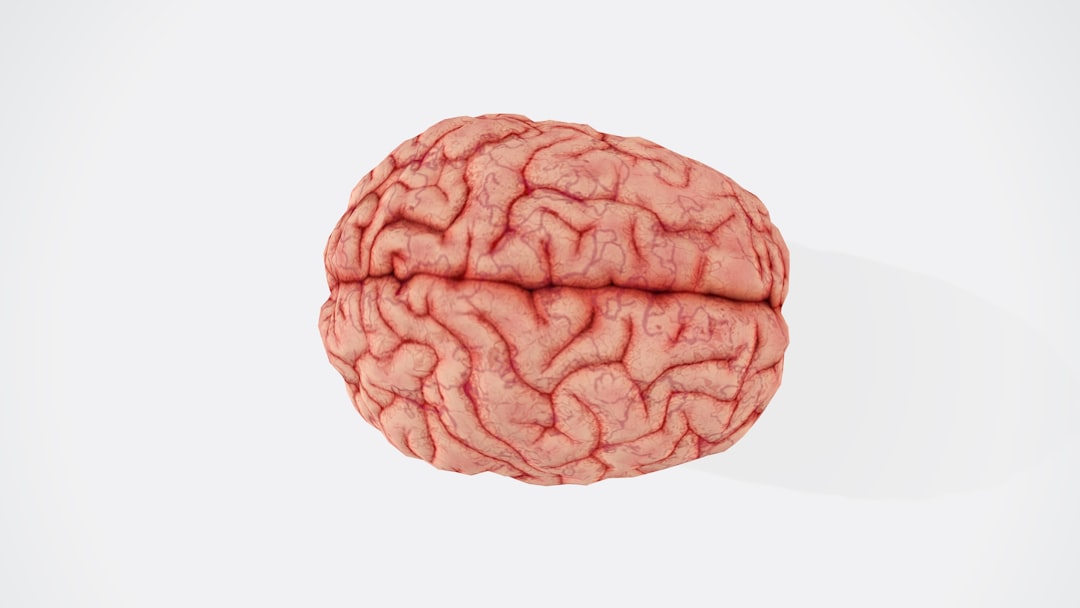
Feeling like your brain is a little… fuzzy sometimes? We’ve all been there. The good news is, just like you can hit the gym to strengthen your muscles, you can give your brain a workout too. And it doesn’t involve sweating or lycra, thankfully. Brain exercises are a practical way to sharpen your cognitive skills, improve recall, and keep your mind agile. Think of it as preventative maintenance and an upgrade all in one.
Our brains are incredible, but they thrive on challenge. When we stick to routines and don’t introduce new stimuli, our cognitive functions can become a bit stagnant. Regular mental stimulation helps build new neural pathways, strengthen existing ones, and even improve neuroplasticity – your brain’s ability to adapt and change throughout life. It’s not just about preventing decline; it’s about optimizing your current mental performance.
The Benefits Beyond Recall
It’s not just about remembering where you put your keys (though that’s a nice bonus!). Regular brain training can also lead to:
- Improved Focus and Concentration: Ever find your mind wandering? Brain exercises can help you reign it in.
- Enhanced Problem-Solving Skills: You’ll be better equipped to tackle tricky situations at work or home.
- Boosted Creativity: A more agile mind is often a more innovative one.
- Better Mood and Reduced Stress: Engaging your brain can be a fulfilling and calming activity.
If you’re looking to enhance your memory through engaging brain exercises, you might find the article on improving your recall of conversations particularly insightful. This resource offers practical tips and techniques that can complement your memory training regimen. To explore these strategies further, check out the article here: How to Better Remember Conversations.
Rejig Your Routine: Novelty is Key
Our brains crave novelty. Doing the same crossword puzzle every day is fun, but to really challenge your brain, you need to introduce new concepts and methods. Think about shaking things up!
Learn a New Skill
This is probably one of the most effective ways to boost your brainpower. The process of acquiring new knowledge, understanding new rules, and practicing new movements creates a mental fireworks display.
- Pick up an Instrument: Learning to read music, coordinate your hands, and understand rhythm is a full brain workout. Whether it’s guitar, piano, or even a harmonica, the benefits are significant.
- Master a New Language: Diving into another language challenges your memory for vocabulary, grammar, and pronunciation. It also opens up new cultural perspectives.
- Try Coding: Even basic coding involves logical thinking, problem-solving, and understanding complex structures, which are brilliant for your brain.
- Learn to Juggle: This isn’t just a party trick! Juggling improves hand-eye coordination, spatial awareness, and concentration. It’s surprisingly mentally demanding.
- Take Up a Craft: Knitting, pottery, carpentry – anything that requires precision, following instructions, and using your hands in a detailed way can be very stimulating.
Change Your Habits
Small changes can make a big difference. These are things you can easily weave into your daily life.
- Drive a Different Route: Instead of mindlessly following the same path, switch it up. Your brain has to pay more attention to directions, landmarks, and potential hazards.
- Use Your Non-Dominant Hand: Try brushing your teeth, eating, or even writing (if you’re brave) with your other hand. This forces your brain to create new neural pathways and enhances coordination.
- Explore New Cuisines: Cooking new recipes with unfamiliar ingredients and techniques challenges your planning, memory, and sensory processing. Go for something completely different than your usual fare.
- Read Different Genres: If you always read fiction, try a non-fiction book. If you stick to biographies, pick up a sci-fi novel. This expands your vocabulary, exposes you to new ideas, and engages different parts of your brain.
Games Galore: Fun Ways to Flex Your Gray Matter

Who said brain training has to be boring? There are tons of games out there, both analog and digital, that are fantastic for cognitive stimulation.
Logic & Strategy Games
These games demand planning, foresight, and problem-solving.
- Chess & Checkers: Classics for a reason. They require strategic thinking, anticipating opponent moves, and remembering patterns.
- Sudoku: A fantastic exercise in logical deduction and number placement. It’s a great way to focus your mind.
- Brain Teasers & Riddles: These often require thinking outside the box and spotting connections you might usually miss. There are countless books and websites dedicated to them.
- Board Games: Many modern board games like Catan, Ticket to Ride, or Wingspan incorporate strategy, resource management, and planning, making them excellent brain workouts disguised as fun.
- Escape Rooms: If you get the chance, an escape room is an ultimate team-based logic and problem-solving challenge.
Memory Boosters
Directly target your ability to recall information.
- Concentration/Memory Card Games: Simple but effective. Matching pairs requires visual memory and attentiveness.
- “I Went to the Market” Game: A classic verbal memory game where each person adds an item to an ever-growing list. It really tests your sequential memory.
- Memorize Shopping Lists or Phone Numbers: Instead of writing them down, try committing a short list to memory before you hit the store or dial a number. Start small and build up.
- Recall Daily Events: At the end of the day, sit down and try to remember as many details as possible about what you did, who you spoke to, what you ate, etc. Try to visualize the events.
Word & Language Games
Excellent for expanding vocabulary, improving verbal fluency, and enhancing critical thinking.
- Crossword Puzzles: Classic and effective. They challenge your vocabulary, general knowledge, and ability to deduce words from clues.
- Scrabble & Words with Friends: These games test your vocabulary, spelling, and strategic placement of tiles to maximize points.
- Boggle/Word Searches: Great for quick word recognition and scanning abilities.
- Reading Aloud: This might sound simple, but reading aloud engages more parts of your brain than silent reading, including your auditory processing and speech centers.
Mindfulness & Focus: The Power of Attention

Sometimes, the best brain exercise isn’t about doing something new, but about experiencing something in a new way – with heightened attention.
Practice Meditation
Meditation isn’t just about relaxation; it’s a powerful tool for improving focus, attention span, and emotional regulation.
- Guided Meditations: Numerous apps and online resources offer guided meditation sessions that can help you get started.
- Mindful Breathing: Simply focusing on your breath for a few minutes each day, noticing the sensation of air entering and leaving your body, can significantly improve your ability to concentrate.
- Body Scan Meditation: Pay attention to different parts of your body, noticing any sensations without judgment. This enhances body awareness and focus.
Engage Your Senses Mindfully
Bring a focused awareness to your everyday sensory experiences.
- Mindful Eating: Instead of rushing your meals, pay attention to the taste, texture, smell, and appearance of your food. Chew slowly and savor each bite.
- Active Listening: When someone is speaking, truly listen without preparing your response. Pay attention to their words, tone, and body language. This improves comprehension and social memory.
- Sensory Walks: Take a walk and consciously focus on what you see, hear, smell, and feel. Notice the details you might usually overlook.
- Blind Taste Tests: Try to identify different foods by taste alone. This forces your brain to rely more heavily on sensory input.
Engaging in brain exercises can significantly enhance memory, and if you’re looking for effective strategies, you might find this article on how to train memory for oral exams particularly insightful. It offers practical tips and techniques that can help improve your recall abilities. For more details, you can read the full article here.
Lifestyle Habits for a Sharper Mind
| Exercise | Frequency | Duration |
|---|---|---|
| Reading | Daily | 30 minutes |
| Puzzles | 3 times a week | 20 minutes |
| Memory games | Every other day | 15 minutes |
| Meditation | Daily | 10 minutes |
While specific exercises are great, your overall lifestyle plays a huge role in your brain health. Think of these as the fundamental building blocks.
Prioritize Sleep
This isn’t negotiable. During sleep, your brain consolidates memories, processes information, and cleans out waste products. Chronic sleep deprivation is detrimental to cognitive function.
- Aim for 7-9 Hours: Find your optimal sleep window and stick to it as much as possible.
- Establish a Routine: Go to bed and wake up around the same time each day, even on weekends.
- Create a Conducive Environment: Dark, quiet, and cool are key.
- Limit Screen Time Before Bed: The blue light from devices can interfere with melatonin production, which helps you sleep.
Nourish Your Brain
What you eat directly impacts your brain’s performance.
- Omega-3 Fatty Acids: Found in fatty fish (salmon, mackerel), flaxseeds, and walnuts, these are crucial for brain cell health.
- Antioxidants: Berries, dark chocolate, and leafy greens help protect brain cells from damage.
- Whole Grains: Provide a steady supply of glucose, the brain’s primary fuel.
- Hydration: Even mild dehydration can impair cognitive function, so drink plenty of water throughout the day.
- Limit Processed Foods & Sugar: These can lead to inflammation and energy crashes, negatively impacting your brain.
Stay Physically Active
Exercise isn’t just for your body; it’s a powerhouse for your brain.
- Boosts Blood Flow: Increased blood flow delivers more oxygen and nutrients to your brain.
- Encourages Neurogenesis: Physical activity can stimulate the growth of new brain cells.
- Reduces Stress: Exercise is a natural stress reliever, and chronic stress is damaging to brain health.
- Variety is Key: Mix cardio, strength training, and flexibility exercises to get the most benefits. Even a brisk walk daily can make a difference.
Maintain Social Connections
Humans are social creatures, and social interaction is a complex brain workout.
- Engage in Conversations: Discussing ideas, listening, and expressing yourself keeps your verbal and cognitive skills sharp.
- Join a Club or Group: Whether it’s a book club, hiking group, or volunteer organization, social engagement provides mental stimulation and a sense of purpose.
- Spend Time with Loved Ones: Regular interaction with friends and family provides emotional support and keeps your brain active as you navigate social cues and discussions.
- Teach Others: Explaining a concept to someone else forces you to organize your thoughts and retrieve information, which solidifies your own understanding.
Consistency is Key
Just like physical exercise, brain exercises yield the best results with consistency. You don’t need to dedicate hours every day. Even 10-15 minutes of focused mental activity can make a difference. The important thing is to make it a regular habit. Mix and match these suggestions, find what you enjoy, and keep challenging your brain. Your future self (and your ability to find your keys) will thank you.






Leave a Reply