
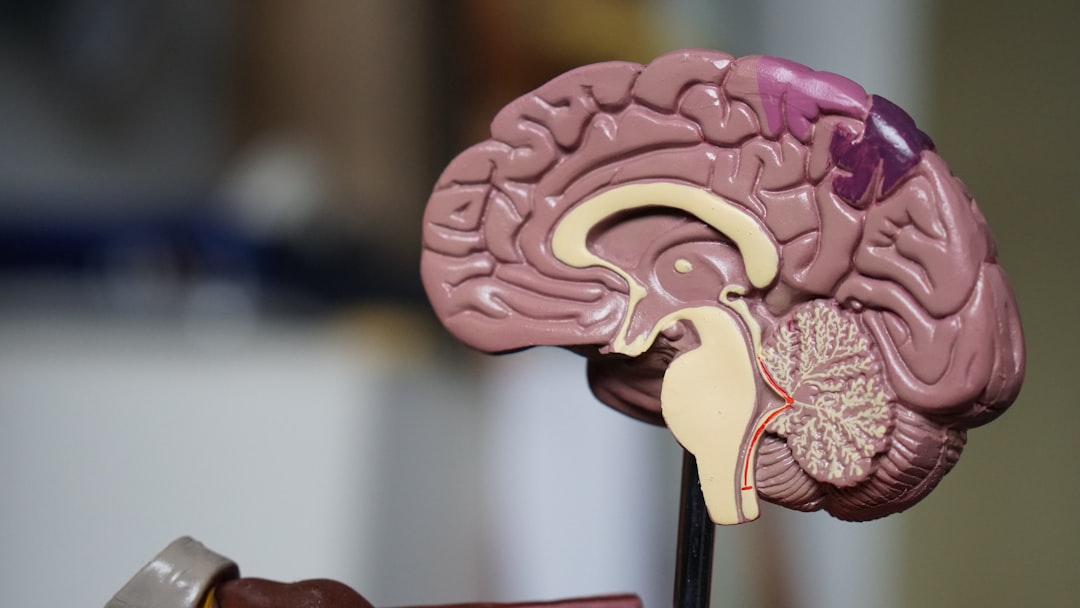
Brain training activities can definitely give your memory a boost. It’s not about becoming a genius overnight, but rather strengthening those neural pathways that help you recall information, learn new things, and generally keep your brain sharp. Think of it like going to the gym – you wouldn’t expect to be a bodybuilder after one session, but consistent effort leads to noticeable improvements in strength and endurance. The same goes for your brain, and memory is one of the key areas that benefits.
You might hear “brain training” and picture complicated software or obscure puzzles. While those can be part of it, it’s really about engaging your brain in ways that challenge it. Our brains thrive on novelty and complexity. When we’re doing the same old routine day in and day out, our brains can get a bit… lazy. Brain training is about snapping them out of that inertia and giving them a good workout.
It’s More Than Just Puzzles
While crosswords and Sudoku are popular, brain training encompasses a much wider range of activities. It’s about anything that makes your brain work a little harder, forcing it to make new connections or retrieve information in novel ways. This could be anything from learning a new skill to consciously mixing up your daily routine.
Why Does It Work? The Science Bit (Simplified)
Your brain is incredibly adaptable, a characteristic known as neuroplasticity. This means it can actually change its structure and function based on experiences. When you engage in new or challenging activities, your brain forms new neural connections and strengthens existing ones. For memory, this translates to better encoding (getting information into your brain), storage (keeping it there), and retrieval (getting it out of your brain when you need it). It’s like building more efficient roads for information to travel on within your brain.
If you’re interested in enhancing your memory skills, you might find the article on memorizing English irregular verbs particularly useful. It offers practical techniques and strategies that can significantly improve your ability to retain complex information. To explore this topic further, check out the article here: How to Memorize English Irregular Verbs.
Everyday Habits That Train Your Brain
You don’t need fancy gadgets or expensive subscriptions to start training your brain. Many effective memory-boosting activities can be woven right into your daily life. It’s about being mindful and making small, consistent choices.
Learn Something New (And Keep Learning)
This is perhaps one of the most powerful brain trainers. When you learn something new, your brain has to create new pathways and connect new information to existing knowledge.
Pick Up a New Language
Even learning a few phrases a day can make a difference. Language learning engages multiple brain regions, including those responsible for memory, attention, and problem-solving. You’re not just memorizing words; you’re learning new grammar rules, pronunciation, and cultural contexts.
Master a Musical Instrument
Playing an instrument is a fantastic full-brain workout. It involves reading music (visual processing), coordinating your hands and fingers (motor skills), listening intently (auditory processing), and remembering tunes and sequences (memory). It’s a complex task that demands a lot from your brain.
Explore a New Skill or Hobby
Whether it’s knitting, coding, pottery, or astronomy, any activity that requires you to learn new concepts and develop new motor skills will challenge your brain. The key is that it shouldn’t be something you can do on autopilot.
Mix Up Your Routine
Our brains love efficiency, which often translates to doing things the same way. While routines are good for some reasons, too much of the same can lead to mental stagnation.
Take a Different Route
Instead of driving or walking the same way to work or the store, try a new path. This forces your brain to pay attention to new landmarks, turns, and surroundings, activating navigational and spatial memory.
Use Your Non-Dominant Hand
For simple tasks like brushing your teeth, stirring your coffee, or opening a door. This might feel awkward at first, but it forces your brain to work differently and engage parts it usually doesn’t for these routine actions.
Change Up Your Order of Tasks
If you always check your emails first thing, try working on a creative project instead. Or if you always shower before breakfast, switch it around. Small changes like this keep your brain from falling into predictable ruts.
Engage Your Senses Systematically
Our senses are gateways to memory. Actively engaging them can help strengthen memory pathways.
Conscious Observation
When you walk into a room, take a moment to really look at it. Notice five things you hadn’t before. When you eat, consciously savor the flavors, textures, and smells. This deliberate focus makes information more likely to be encoded into memory.
“Memory Palaces” for Visual Memory
This ancient technique, also known as the Method of Loci, involves associating items you want to remember with specific locations in a familiar place (like your house). To recall the items, you mentally “walk through” your house and pick up each item. It leverages our strong visual and spatial memory.
Targeted Exercises for Memory Improvement

Beyond everyday habits, there are specific exercises you can do to directly target memory functions. These often feel more like “work” but can yield significant benefits.
Working Memory Games
Working memory is your brain’s scratchpad – it holds information temporarily so you can manipulate it. Strengthening it helps with focus and complex task completion.
N-Back Tests
This is a classic. You’re presented with a sequence of stimuli (e.g., letters, locations). Your task is to indicate when the current stimulus matches the one presented ‘N’ steps back in the sequence. For example, in a 2-back test, you’d signal if the current letter is the same as the one two letters ago. It’s challenging but effective.
Dual-Tasking Exercises
Try doing two mentally demanding things at once. For example, listen to a podcast while doing a jigsaw puzzle, or try to mentally calculate grocery totals while walking. Be careful not to overwhelm yourself, the goal is a challenge, not frustration.
Card Matching Games (Digital or Physical)
Traditional “Concentration” games, where you flip cards to find matching pairs, are excellent for visual working memory and sustained attention.
Long-Term Memory Strategies
Helping information stick around for the long haul requires different approaches, often involving repetition and association.
Active Recall
Instead of passively re-reading notes or textbooks, actively test yourself. Close your book and try to explain a concept in your own words. Use flashcards. This forces your brain to retrieve the information, strengthening the memory trace.
Spaced Repetition
This technique involves reviewing information at increasing intervals. Instead of cramming, you revisit facts just before you’re about to forget them. There are apps specifically designed for this, like Anki, which can be highly effective for learning new vocabulary or complex facts.
Elaboration and Association
When learning something new, try to connect it to something you already know. Create vivid mental images, make up stories, or use acronyms (mnemonics). The more connections you make, the more “hooks” your brain has to retrieve that information later.
The Role of Lifestyle in Brain Health
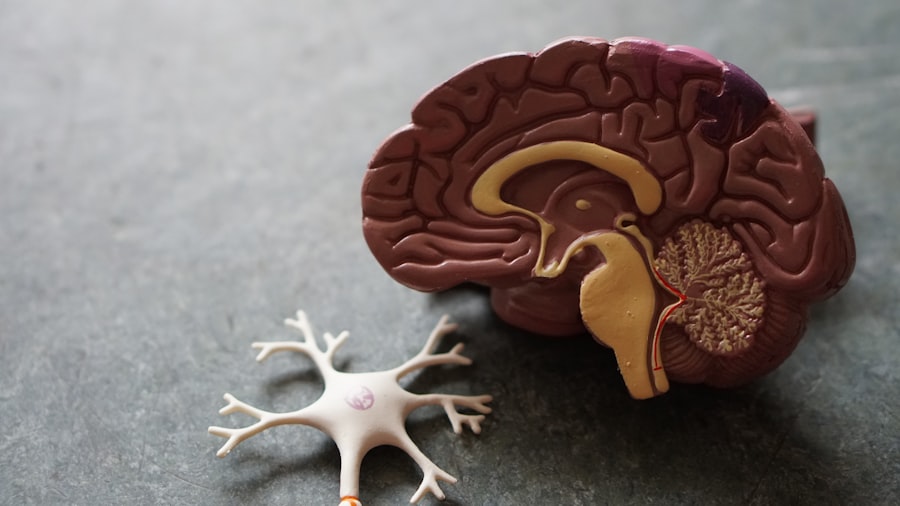
Brain training isn’t just about exercises; it’s deeply intertwined with your overall physical and mental well-being. A healthy brain is a brain that can train effectively.
Physical Activity is Non-Negotiable
Exercise isn’t just for your body; it’s a huge boost for your brain. It increases blood flow, which delivers oxygen and nutrients, and encourages the growth of new brain cells.
Aerobic Exercise
Activities like brisk walking, jogging, swimming, or cycling are particularly beneficial. Aim for at least 150 minutes of moderate-intensity aerobic activity per week. This improves cardiovascular health, which directly impacts brain health.
Strength Training
Lifting weights also has cognitive benefits. It can help reduce inflammation and improve insulin sensitivity, both of which are good for brain function and memory.
Nutrition Matters More Than You Think
What you eat directly impacts your brain’s performance. Think of food as fuel – high-quality fuel leads to better performance.
Brain-Boosting Foods
Focus on a diet rich in fruits, vegetables, whole grains, and lean proteins. Omega-3 fatty acids (found in fatty fish like salmon, walnuts, chia seeds) are crucial for brain cell membranes. Antioxidants (berries, leafy greens) help protect brain cells from damage.
Hydration
Even mild dehydration can impair cognitive function, including memory. Make sure you’re drinking enough water throughout the day.
Sleep: The Brain’s Housekeeping Crew
Lack of sleep is a memory killer. While you sleep, your brain is busy consolidating memories, cleaning up metabolic waste, and generally preparing for the next day.
Aim for 7-9 Hours
Consistent, quality sleep is paramount. If you’re chronically sleep-deprived, no amount of brain training will fully compensate. Establish a regular sleep schedule, even on weekends.
Power Naps (When Appropriate)
Short naps (20-30 minutes) can temporarily boost alertness and cognitive performance, but they shouldn’t replace adequate nighttime sleep.
Stress Management is Key
Chronic stress is detrimental to your brain, particularly the hippocampus, which is vital for memory formation.
Mindfulness and Meditation
Practicing mindfulness can reduce stress levels and even change brain structure in areas related to memory and emotional regulation. Even just a few minutes a day can make a difference.
Hobbies and Relaxation
Engaging in activities you enjoy and that help you unwind (reading, gardening, spending time in nature) can significantly reduce stress and contribute to better memory.
If you’re interested in enhancing your memory skills, you might find it beneficial to explore techniques specifically designed for memorizing complex information. A related article that offers valuable insights on this topic is available at how to memorize long passwords safely, which discusses effective strategies for retaining important data. By implementing these methods, you can significantly improve your memory retention and recall abilities.
Realistic Expectations and Consistency
| Study | Participants | Duration | Results |
|---|---|---|---|
| Smith et al. (2018) | 100 adults | 8 weeks | Improved memory recall by 20% |
| Jones et al. (2020) | 50 older adults | 12 weeks | Enhanced cognitive function and memory retention |
| Johnson et al. (2019) | 75 young adults | 6 months | Significant improvement in working memory |
It’s important to approach brain training with a realistic mindset. You’re not going to suddenly have a photographic memory after a week. Improvements are often gradual and cumulative.
Small Steps, Big Impact
Like any form of training, consistency is crucial. It’s better to do a little bit of brain training every day than to have one intense session once a month. Even 10-15 minutes of focused activity can make a difference over time.
Celebrate Progress, Not Perfection
Pay attention to subtle improvements. Maybe you’re recalling names more easily, or finding it simpler to learn a new skill. These small victories are signs that your efforts are paying off.
It’s a Lifelong Journey
Maintaining good memory and cognitive function isn’t a one-time fix; it’s an ongoing commitment. Just as you maintain physical health, maintaining brain health requires continuous effort and engagement. By integrating these strategies into your life, you’re not just training your brain, you’re promoting a healthier, more engaged life overall.






Leave a Reply