
Using Memory for Creative Thinking
Creative thinking isn’t just about imagination; it’s about making connections between ideas stored in your memory. By sharpening your memory, you can unlock new levels of creative insight and problem-solving. In this article, you’ll learn how memory and creativity work together—and how to train both for better results.
How Memory Powers Creative Thinking
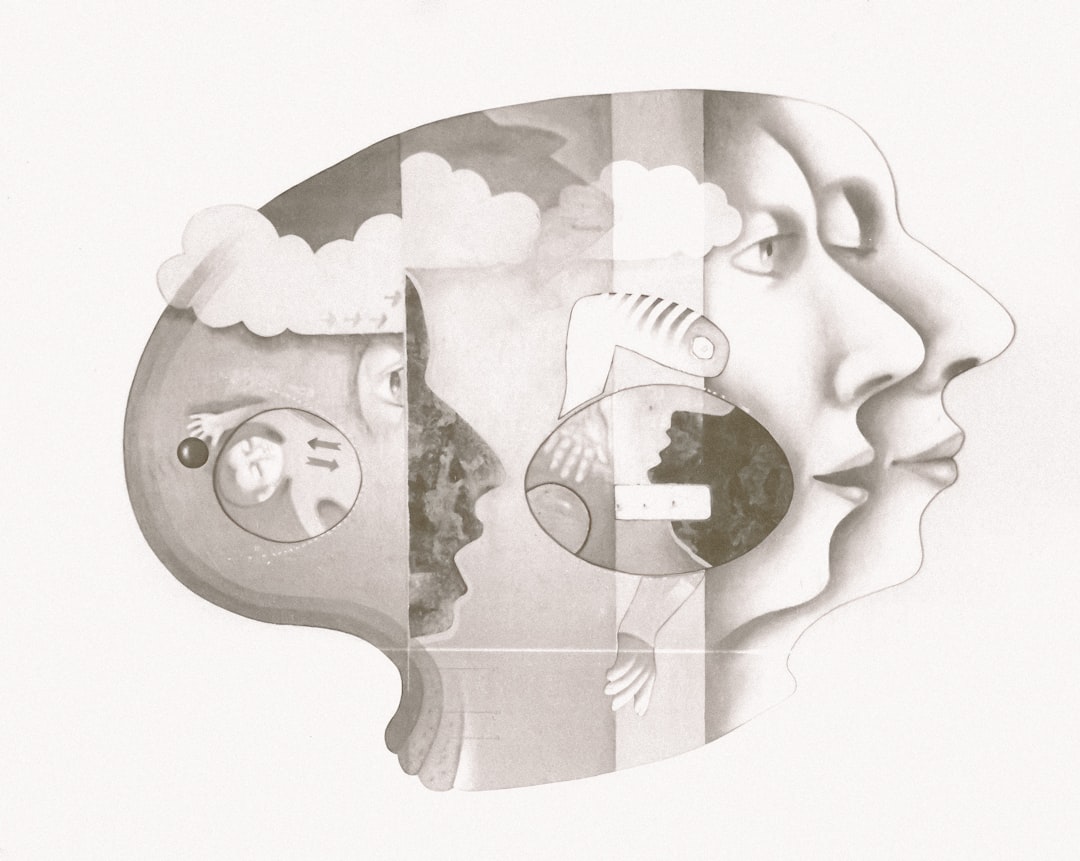
Creativity often involves combining old ideas in new ways. Your brain draws from memories—facts, experiences, images, and even emotions—when you face a creative challenge. The richer your memory bank, the more raw material you have for unexpected insights.
Strong memory helps you:
- Recall relevant information quickly.
- See patterns and relationships between ideas.
- Avoid getting stuck on repetitive thoughts.
Memory Techniques That Boost Creativity
Certain memory techniques not only help you remember more but can also expand your creative potential. Try these approaches to supercharge both memory and creativity:
1. The Method of Loci (Memory Palace)
This classic technique involves associating ideas with familiar locations. To use it for creative work:
- Visualize a place you know well, like your home or a walk through your neighborhood.
- Assign creative ideas, concepts, or problems to different spots in that place.
- Walk through your Memory Palace when you want to review or mix ideas.
This method encourages vivid, unusual associations that can spark innovative thinking.
2. Mind Mapping
Mind maps use visual diagrams to organize information and show relationships between ideas. To make a mind map:
- Start with a central idea, word, or image.
- Draw branches for related thoughts, facts, or experiences.
- Keep adding connections, letting your mind wander creatively.
Mind mapping leverages both memory recall and free association, which leads to creative breakthroughs.
3. Storytelling Chains
Stories are easier to remember than lists or disconnected facts. Try linking new ideas into a narrative:
- Create a short story that includes all the elements or concepts you need to remember.
- Make the story playful or even absurd—the stranger, the better for memory and creativity!
- Use these stories as starting points for creative brainstorming.
4. Analogical Thinking
Analogies compare two things to highlight similarities and open up new perspectives. To use analogical thinking:
- Think of a problem or idea you’re working on.
- Recall similar situations or concepts from your memory—even from different areas of life or study.
- Explore how solutions from one area might apply to another.
The more memories you can access, the more analogy-fueled creativity you’ll have.
Habits to Strengthen Memory and Creativity
Small daily habits can gradually improve both memory and creative thinking. Here are some to try:
- Read widely: Exposing yourself to different topics feeds your memory with new material.
- Practice recall: Regularly test yourself on what you’ve learned to reinforce memory pathways.
- Sleep well: Deep sleep is vital for consolidating memories and generating ideas.
- Take breaks: Short rests allow your brain to process information and discover novel connections.
- Try new activities: Learning new skills stimulates your brain and creates fresh memories to use creatively.
Combining Memory Exercises with Creative Challenges
To get the most benefit, combine memory training with creative tasks. For example:
- Use the Memory Palace to store and later remix random words for story prompts.
- Build a mind map around a problem, then use your memory to add examples from history or personal experience.
- Challenge yourself to invent analogies that link unrelated items you remember from your day.
Over time, you’ll find it easier to connect, combine, and transform ideas in original ways.
The Science Behind Memory and Creativity
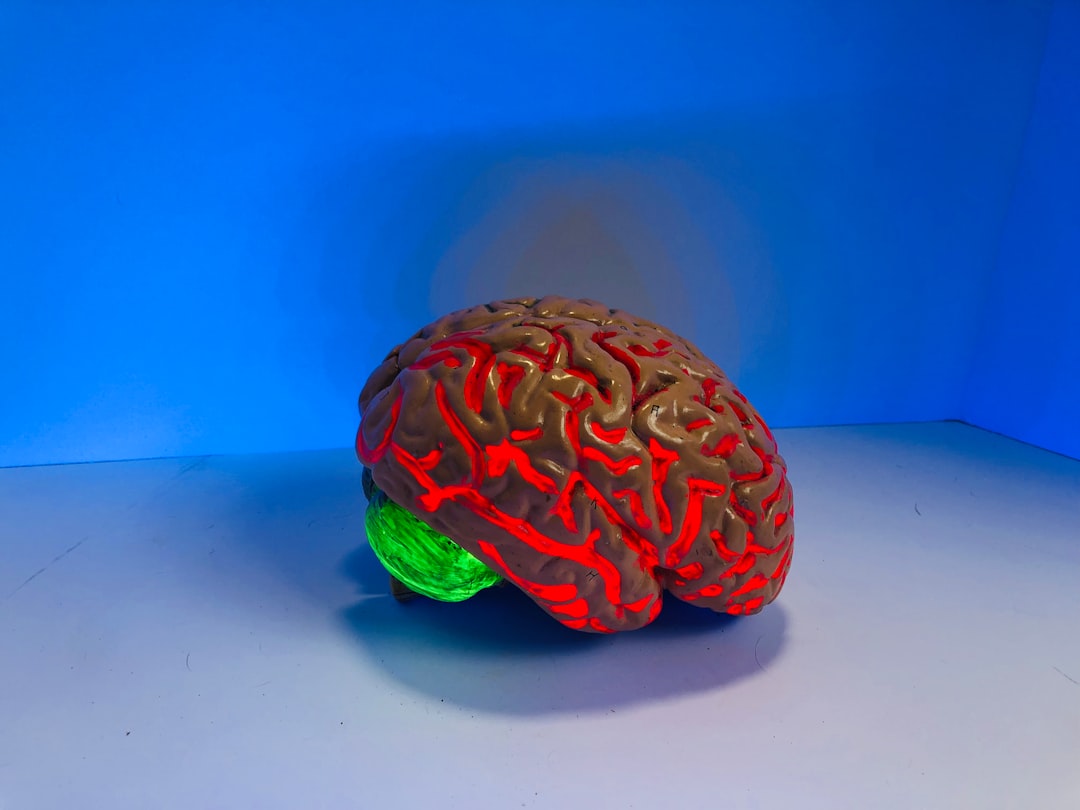
Research shows that creative people tend to draw from a greater variety of experiences stored in their long-term memory. Neuroimaging studies also reveal that memory and creativity share overlapping brain regions—especially those involved with recalling and recombining stored knowledge.
Working on your memory strengthens these brain circuits, giving you more resources for creative problem solving.
Conclusion: Build Creative Power Through Memory
Your ability to think creatively is closely linked to the strength and flexibility of your memory. By practicing memory techniques, building new habits, and challenging yourself to find connections, you can unlock greater creativity in any field.
Ready to start training your brain? Try the Memory Athlete app, designed for daily brain training and memory improvement. Take your first step toward sharper memory and more creative thinking today!


Leave a Reply