
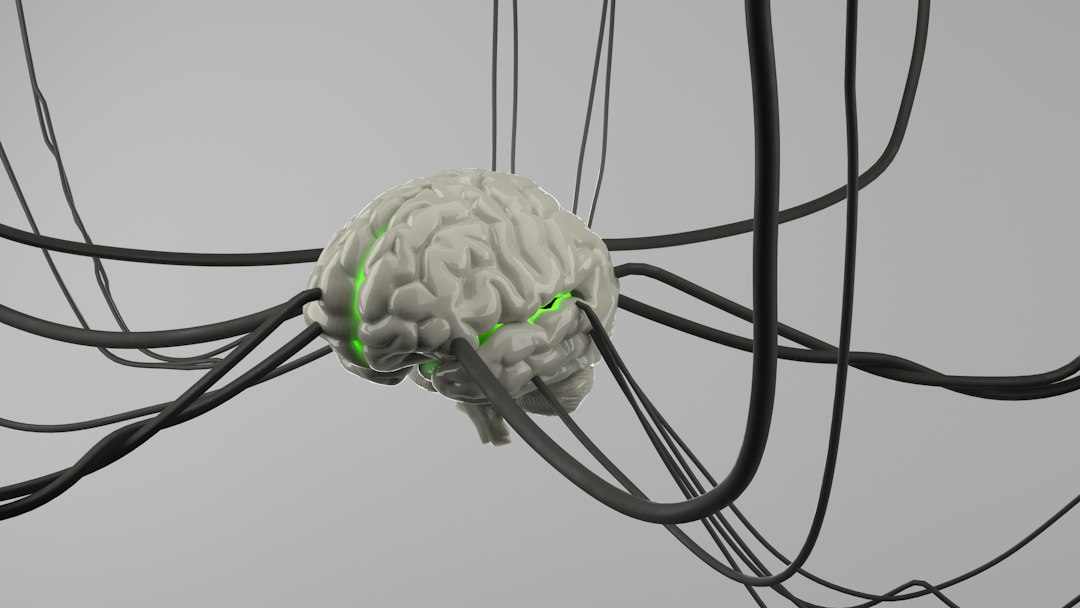
The Nocturnal Architect: Sleep’s Fundamental Role in Memory
For centuries, memory has been viewed primarily as a waking phenomenon—a process of conscious encoding, storage, and retrieval. However, groundbreaking research in sleep science is dramatically altering this perspective, revealing sleep not merely as a period of rest, but as an active, crucial architect of our memories and cognitive abilities. This paradigm shift has profound implications for how we approach memory training, moving beyond purely daytime strategies to embrace the nocturnal processes that consolidate, optimize, and even enhance our recall. The idea that we can actively improve our memory while we slumber is both fascinating and transformative, opening new avenues for learning, skill acquisition, and even addressing memory-related disorders. Understanding the intricate dance between sleep stages and memory formation is the cornerstone of this new frontier.
The Stages of Sleep and Their Memory Functions
Sleep is not a monolithic state but a complex progression through distinct stages, each with unique physiological characteristics and specific roles in memory processing. These stages cycle throughout the night, with the proportion of each stage shifting as sleep progresses.
Non-Rapid Eye Movement (NREM) Sleep: The Foundation of Consolidation
NREM sleep, particularly its deeper stages (NREM 2 and NREM 3, also known as slow-wave sleep or SWS), is a powerhouse for memory consolidation, especially for declarative memories—facts, figures, events, and personal experiences. During SWS, the brain exhibits slow, synchronized delta waves, which are thought to facilitate the transfer of newly learned information from the hippocampus, a temporary storage site, to the neocortex for long-term storage.
Synaptic Downscaling and Replay
One key mechanism observed during SWS is synaptic downscaling, a process where less relevant synaptic connections are weakened, making way for the strengthening of important ones. Simultaneously, scientists have observed “memory replay” during SWS, where neural activity patterns initially activated during learning are reactivated, but at an accelerated pace. This replay effectively re-runs the day’s events and learned material, reinforcing the neural pathways associated with that information. This selective strengthening and pruning contribute to the efficiency and durability of memory traces.
Sleep Spindles and Hippocampal-Neocortical Dialogue
NREM 2 sleep is characterized by sleep spindles, bursts of oscillatory activity that are believed to play a critical role in the integration of new information into existing knowledge networks. These spindles are thought to facilitate the communication between the hippocampus and the neocortex, essentially acting as a bridge for memory transfer. The number and density of sleep spindles have been correlated with better memory performance, suggesting they are a crucial marker of effective consolidation.
Rapid Eye Movement (REM) Sleep: Emotional Integration and Procedural Learning
REM sleep, characterized by rapid eye movements, muscle paralysis, and vivid dreaming, takes on a different but equally vital role in memory. While NREM sleep excels at consolidating declarative memories, REM sleep is particularly important for procedural memories (skills like riding a bike or playing an instrument) and emotional memories. It’s during REM that the brain seems to integrate new emotional experiences and fine-tune motor skills.
Emotional Memory Processing
Dreams, often vivid and emotionally charged during REM sleep, are thought to be a mechanism for the brain to process and integrate emotional experiences without the accompanying hormonal stress response of wakefulness. This allows for a more adaptive and less traumatic storage of emotionally significant memories, stripping them of their acute emotional charge and integrating them into a broader narrative.
Skill Refinement and Generalization
For procedural learning, REM sleep appears to be crucial for the refinement and generalization of learned skills. For instance, studies have shown that individuals who get sufficient REM sleep after practicing a new motor skill perform significantly better on subsequent tests than those who are deprived of REM. It’s during this stage that the brain solidifies the motor programs and makes them more robust and adaptable to different contexts.
In exploring the fascinating intersection of sleep science and memory training, a related article titled “The Major System: Complete Guide” provides valuable insights into mnemonic techniques that can enhance recall. This guide delves into the Major System, a powerful mnemonic device that transforms numbers into memorable images, making it easier to retain information. For those interested in optimizing their memory skills alongside the principles discussed in “Rewiring Recall: How Sleep Science Is Changing Memory Training,” this resource is a must-read. You can find it here: The Major System: Complete Guide.
Targeted Memory Reactivation: Hacking the Sleeping Brain

The discovery of sleep’s active role in memory consolidation has paved the way for exciting new interventions. Targeted Memory Reactivation (TMR) is a burgeoning field that leverages our understanding of sleep’s memory processes to intentionally enhance specific memories during sleep. The core idea is to subtly cue the sleeping brain to prioritize the consolidation of certain information over others.
Auditory and Olfactory Cues During Sleep
TMR typically involves presenting cues associated with recently learned material during specific sleep stages. These cues can be auditory (e.g., specific sounds or words) or olfactory (e.g., particular scents). The premise is that when the brain re-activates memory traces during sleep, presenting a subtle reminder can amplify this natural process, strengthening the targeted memories.
Enhancing Spatial Memory with Scent Cues
One of the most striking examples of TMR involves using scent cues to enhance spatial memory. In classic experiments, participants learned the locations of objects while exposed to a specific scent. Later, during their sleep, the same scent was subtly diffused into their sleeping environment, specifically during slow-wave sleep. The results were remarkable: participants who received the scent cue during sleep showed significantly better recall of the object locations than those who did not. The scent acted as a “trigger,” nudging the brain to prioritize the consolidation of the associated spatial memory.
Auditory Cues for Declarative Learning
Auditory cues have also shown promise in TMR. Researchers have used specific tones or spoken words associated with learned word pairs or foreign language vocabulary. When these auditory cues are played during NREM sleep, they have been shown to improve recall of the associated information upon waking. The timing of these cues is critical; presenting them during active consolidation phases (like SWS) appears to be most effective. This suggests that the brain is not passively receiving these cues, but actively integrating them into its ongoing memory processing.
The Ethical Considerations of TMR
While the potential benefits of TMR are immense, the ethical implications warrant careful consideration. The ability to directly influence memory during sleep raises questions about informed consent, potential misuse, and the boundaries of cognitive enhancement. As TMR technologies become more sophisticated, it will be crucial to establish guidelines and ethical frameworks to ensure responsible application. The fine line between therapeutic intervention and cognitive manipulation needs to be thoughtfully navigated.
Optimizing Sleep for Cognitive Performance

Beyond targeted interventions, the most accessible and fundamental way to leverage sleep science for memory improvement is by optimizing our overall sleep hygiene and ensuring we get sufficient, high-quality sleep. The cumulative effect of consistent good sleep on memory and cognitive function is profound and often underestimated.
The Detrimental Effects of Sleep Deprivation
Chronic sleep deprivation, even partial, has a cascade of negative effects on memory. It impairs attention and focus, making it harder to encode new information effectively in the first place. It disrupts the consolidation processes during NREM and REM sleep, leading to weaker and more fragile memory traces. Furthermore, sleep deprivation can impact the ability to retrieve information, making it harder to access memories that were consolidated. This creates a vicious cycle where poor sleep leads to poor memory, which can then exacerbate stress and further disrupt sleep.
Impact on Different Memory Types
Sleep deprivation differentially affects various memory types. Declarative memory (facts and events) is particularly vulnerable to SWS deprivation, while procedural and emotional memory can suffer from insufficient REM sleep. This highlights the importance of getting a full night’s sleep that encompasses multiple cycles of all sleep stages. The brain needs time to cycle through these stages to complete its memory work efficiently.
The “Sleep Debt” Phenomenon
The concept of “sleep debt” underscores that lost sleep cannot simply be ignored. While a single night of recovery sleep can help, chronic sleep debt accumulates and can take multiple nights of extended sleep to fully repay. The cognitive deficits associated with sleep debt, including impaired memory, can persist even after short periods of catch-up sleep. This emphasizes the importance of consistent sleep patterns rather than attempting to compensate for lost sleep on weekends.
Practical Strategies for Enhancing Sleep Quality
Improving sleep quality involves a combination of behavioral changes and environmental adjustments. These strategies are often referred to as “sleep hygiene.”
Consistent Sleep Schedule
Going to bed and waking up at roughly the same time every day, even on weekends, helps to regulate the body’s natural circadian rhythm. This rhythm dictates our sleep-wake cycle and influences the timing and quality of sleep stages. A consistent schedule trains the brain to expect sleep at a particular time, making it easier to fall asleep and stay asleep.
Creating a Conducive Sleep Environment
The sleep environment plays a significant role. A dark, quiet, and cool bedroom is ideal. Darkness signals the brain to produce melatonin, a hormone crucial for sleep. Reducing noise and maintaining a cool temperature (around 60-67°F or 15-19°C) can also promote deeper, more restorative sleep. Investing in blackout curtains, earplugs, or a white noise machine can be beneficial.
Limiting Stimulants and Screen Time
Caffeine and nicotine are stimulants that can interfere with sleep, especially if consumed late in the day. Alcohol, while initially seeming to induce sleep, disrupts sleep architecture, particularly REM sleep, leading to less restorative rest. The blue light emitted by electronic screens (phones, tablets, computers) suppresses melatonin production, making it harder to fall asleep. Avoiding screens for at least an hour before bed can significantly improve sleep onset and quality.
Regular Exercise and Diet
Regular physical activity can improve sleep quality, but it’s best to avoid intense workouts close to bedtime. A balanced diet also contributes to better sleep. Avoiding heavy meals close to bedtime and limiting sugary foods can prevent digestive discomfort that might interrupt sleep. Certain foods, like those rich in tryptophan (e.g., turkey, milk), can promote sleep, but their effects are often subtle.
Many people are fascinated by the techniques used by a Memory Athlete to enhance their cognitive abilities. If you’re interested in learning more about memory sports, you should definitely check out the Memory Athlete website. The strategies shared by a Memory Athlete can be applied to everyday life to improve memory retention.
The Future of Memory Training: Integrating Sleep Science
The convergence of sleep science, neuroscience, and technology is creating a new frontier for memory training. Future approaches will undoubtedly move beyond traditional rote memorization techniques to incorporate sophisticated understandings of nocturnal brain activity. This integration promises more effective, personalized, and even passive methods for cognitive enhancement.
Personalized Sleep Interventions
As our understanding of individual sleep architecture deepens, personalized sleep interventions will become more common. Wearable technology and at-home sleep tracking devices are already providing insights into individual sleep patterns. Future applications could involve AI-driven recommendations for optimal sleep schedules, personalized TMR protocols based on individual learning goals, and even adaptive environmental controls (e.g., smart lighting or temperature) that adjust to optimize sleep for memory consolidation. The “one-size-fits-all” approach to sleep hygiene will likely evolve into highly tailored recommendations.
Neurofeedback and Brain Stimulation During Sleep
Emerging technologies like neurofeedback and targeted brain stimulation (e.g., transcranial alternating current stimulation or tACS) are being explored for their potential to enhance memory during sleep. Neurofeedback trains individuals to consciously alter their brainwave patterns, and future applications might involve using real-time brainwave monitoring during sleep to subtly guide the brain into optimal states for memory consolidation. Similarly, non-invasive brain stimulation techniques could be used to amplify beneficial sleep oscillations, such as slow waves or sleep spindles, thereby boosting memory processing. These technologies, while still in early stages, hold immense promise for directly intervening in sleep to improve cognitive function.
Pharmaceutical and Nutritional Approaches
While sleep medications exist, their impact on the quality of sleep stages and memory consolidation is a critical area of research. Future pharmaceutical interventions might focus on compounds that specifically enhance beneficial sleep oscillations without disrupting natural sleep architecture. Similarly, the role of specific nutrients and dietary supplements in optimizing sleep for memory is gaining attention. Research into the gut-brain axis and its influence on sleep and cognition may unlock new nutritional strategies. The goal is to find agents that naturally support the brain’s nocturnal memory work rather than simply inducing sedation.
In exploring the fascinating intersection of sleep science and memory training, the article “How to Memorize Long Numbers Easily” provides valuable insights into techniques that can enhance recall. By understanding how sleep impacts cognitive functions, individuals can optimize their memory strategies for better performance. This connection highlights the importance of incorporating proper rest into any memory training regimen. For more practical tips on improving your memorization skills, you can read the full article here.
A Call to Action: Elevate Your Memory
| Metric | Value | Details |
|---|---|---|
| Average Memory Retention Improvement | 30% | Increase in recall accuracy after incorporating sleep-based memory training |
| Optimal Sleep Duration for Memory Consolidation | 7-9 hours | Recommended nightly sleep duration to maximize memory retention |
| REM Sleep Contribution to Memory | 40% | Percentage of memory consolidation attributed to REM sleep phase |
| Non-REM Sleep Contribution | 60% | Percentage of memory consolidation attributed to Non-REM sleep phases |
| Memory Recall Improvement After Napping | 20% | Average increase in recall performance following a 90-minute nap |
| Time Delay for Sleep-Enhanced Recall | 24 hours | Typical time between learning and improved recall after sleep |
| Effect of Sleep Deprivation on Memory | -25% | Decrease in memory recall accuracy after one night of sleep deprivation |
The journey into the depths of sleep science reveals a powerful, often untapped, resource for enhancing our memory and cognitive performance. It’s clear that sleep is not a passive break from activity, but an active, dynamic process essential for learning, retention, and overall brain health. By understanding and respecting the brain’s nocturnal work, we unlock incredible potential.
To truly elevate your memory and cognitive performance, embrace the insights of sleep science. Prioritize quality sleep as a fundamental pillar of your brain health. Implement the practical strategies for improving your sleep hygiene—establish a consistent schedule, create a conducive sleep environment, limit stimulants and screen time, and maintain a healthy lifestyle.
For those ready to go beyond, to master recall, sharpen focus, and unlock their brain’s full potential, there’s a powerful tool available. Download Memory Athlete, the ultimate app for mastering recall, sharpening focus, and unlocking your brain’s full potential. It’s designed to guide you through advanced memory techniques, integrate cognitive exercises, and provide actionable insights to leverage your brain’s incredible capacity, including the vital role of optimized sleep. Take the first step towards a sharper mind and a better memory by making sleep your ally and Memory Athlete your guide.





Leave a Reply