

Memory is a cognitive function that enables humans to encode, store, and retrieve information through three distinct processes. Encoding represents the initial conversion of sensory input into neural patterns that the brain can process and store. Research demonstrates that attention levels and emotional arousal significantly impact encoding efficiency, with heightened focus and emotional engagement correlating with stronger memory formation.
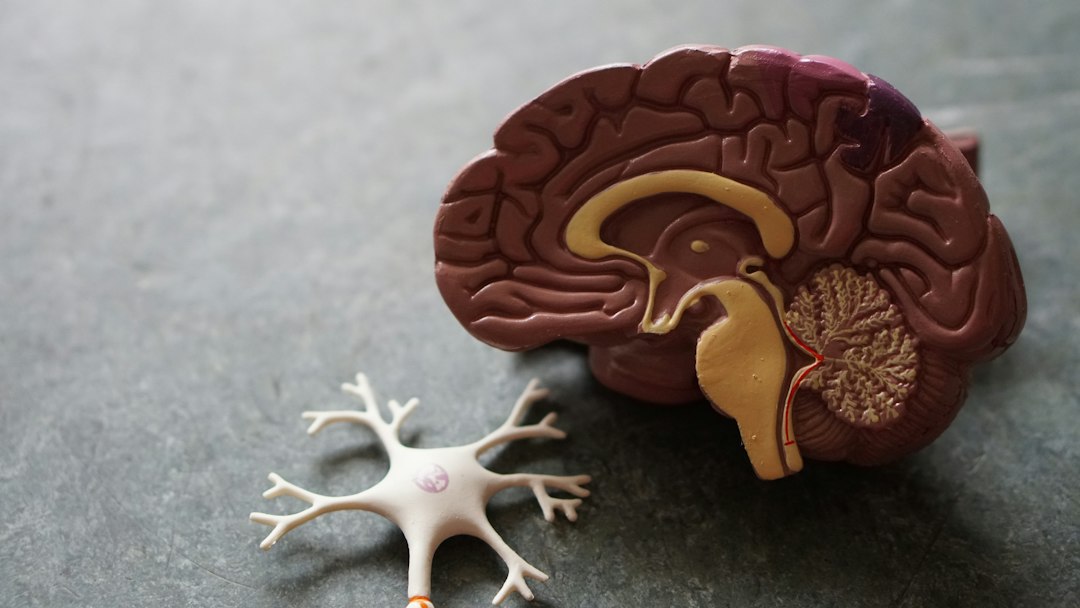
The hippocampus, located in the medial temporal lobe, serves as the primary brain structure responsible for consolidating new memories. Following encoding, information enters the storage phase, during which neural representations are maintained across varying time periods. Memory storage operates through two primary systems: short-term memory, which retains information for approximately 15-30 seconds without rehearsal, and long-term memory, which can preserve information indefinitely.
The consolidation process that transfers information from short-term to long-term storage requires repetition and integration with pre-existing knowledge networks. Retrieval constitutes the final process, involving the reactivation of stored neural patterns to access previously learned information. Environmental cues, contextual factors, and retrieval strategies significantly influence the success and accuracy of memory recall.
Key Takeaways
- Memory functions through complex brain processes involving encoding, storage, and retrieval.
- Adopting healthy lifestyle changes like balanced diet and regular exercise can improve memory.
- Certain foods and supplements, such as omega-3s and antioxidants, support cognitive health.
- Techniques like mnemonic devices and spaced repetition enhance memory retention.
- Adequate sleep, mindfulness, and meditation play crucial roles in maintaining and boosting memory.
Lifestyle Changes for Memory Improvement
Making intentional lifestyle changes can significantly enhance memory function and overall cognitive health. One of the most impactful changes is adopting a balanced diet rich in nutrients that support brain health. Foods high in antioxidants, healthy fats, vitamins, and minerals can help protect the brain from oxidative stress and inflammation.
Incorporating a variety of fruits, vegetables, whole grains, and lean proteins into your daily meals can provide the essential nutrients needed for optimal brain function. In addition to dietary adjustments, regular physical activity is crucial for memory improvement. Exercise increases blood flow to the brain, promoting the growth of new neurons and enhancing synaptic connections.
Engaging in aerobic activities such as walking, running, or swimming can boost cognitive performance and improve memory retention. Furthermore, incorporating strength training and flexibility exercises can contribute to overall physical health, which is closely linked to cognitive function. By prioritizing a healthy lifestyle that includes proper nutrition and regular exercise, individuals can create an environment conducive to better memory performance.
Memory-Boosting Foods and Supplements
Certain foods have been shown to have a positive impact on memory and cognitive function. For instance, fatty fish like salmon and trout are rich in omega-3 fatty acids, which are essential for brain health. Omega-3s have been linked to improved memory and cognitive performance due to their role in building brain cell membranes and reducing inflammation.
Additionally, berries such as blueberries and strawberries are packed with antioxidants that may help delay brain aging and enhance communication between brain cells. In addition to whole foods, various supplements can also support memory enhancement. Ginkgo biloba is a popular herbal supplement believed to improve blood flow to the brain and enhance cognitive function.
Similarly, Bacopa monnieri has been used in traditional medicine for centuries and is thought to improve memory retention and recall. Other supplements like omega-3 fish oil capsules or phosphatidylserine may also provide cognitive benefits. However, it is essential to consult with a healthcare professional before starting any new supplement regimen to ensure safety and efficacy.
Effective Memory Techniques and Strategies
To further enhance memory retention and recall, individuals can employ various techniques and strategies designed to optimize cognitive performance. One effective method is the use of mnemonic devices, which are memory aids that help organize information in a way that makes it easier to remember. For example, acronyms or rhymes can simplify complex information into manageable chunks.
Visualization techniques, such as creating mental images or mind maps, can also aid in encoding information more effectively. Another powerful strategy is spaced repetition, which involves reviewing information at increasing intervals over time. This technique leverages the psychological spacing effect, where information is more easily retained when learned over spaced-out sessions rather than crammed in one sitting.
Additionally, engaging in active learning—such as teaching others or discussing topics with peers—can reinforce memory by requiring deeper processing of the material. By incorporating these techniques into daily study habits or learning routines, individuals can significantly improve their memory capabilities.
The Power of Mindfulness and Meditation
| Memory Improvement Technique | Effectiveness (%) | Average Improvement Time | Key Benefit |
|---|---|---|---|
| Mnemonic Devices | 70 | 1-2 weeks | Enhances recall through association |
| Spaced Repetition | 85 | 3-4 weeks | Improves long-term retention |
| Physical Exercise | 60 | 4-6 weeks | Boosts brain function and memory |
| Mindfulness Meditation | 50 | 2-3 weeks | Reduces stress, enhances focus |
| Healthy Diet (Omega-3) | 55 | 4-8 weeks | Supports brain health and cognition |
| Quality Sleep | 75 | 1-2 weeks | Consolidates memories effectively |
Mindfulness and meditation practices have gained popularity for their numerous mental health benefits, including improved memory function. Mindfulness involves being fully present in the moment and aware of one’s thoughts and feelings without judgment. This practice can enhance focus and attention, which are critical components of effective memory encoding.
By training the mind to concentrate on the present moment, individuals may find it easier to absorb new information. Meditation has also been shown to promote neuroplasticity—the brain’s ability to reorganize itself by forming new neural connections throughout life. Regular meditation practice can lead to structural changes in the brain that enhance cognitive functions such as memory and learning.
Techniques such as mindfulness meditation or focused attention meditation can help reduce stress and anxiety, which are known to negatively impact memory performance. By incorporating mindfulness and meditation into daily routines, individuals can cultivate a more resilient mind capable of retaining information more effectively.
Exercise and Memory: The Connection
The relationship between physical exercise and memory enhancement is well-documented in scientific literature. Engaging in regular physical activity not only benefits physical health but also plays a vital role in cognitive function. Exercise increases blood flow to the brain, delivering essential nutrients and oxygen that support neuronal health.
This increased circulation promotes the growth of new neurons—a process known as neurogenesis—particularly in the hippocampus, an area critical for memory formation. Moreover, exercise has been shown to reduce stress levels by lowering cortisol production. High levels of stress hormones can impair memory function and hinder cognitive performance.
By incorporating aerobic exercises like running or cycling into one’s routine, individuals can experience improved mood and reduced anxiety levels, creating an optimal environment for memory retention. Additionally, group activities or team sports can foster social connections that further enhance cognitive health through social engagement.
Sleep and Memory: The Importance of Rest
Sleep plays a crucial role in memory consolidation—the process by which short-term memories are transformed into long-term memories during rest periods. During sleep, particularly during rapid eye movement (REM) sleep, the brain processes and organizes information acquired throughout the day. This consolidation process strengthens neural connections associated with newly learned information, making it easier to recall later.
Lack of adequate sleep can lead to significant impairments in cognitive function and memory performance. Sleep deprivation has been linked to difficulties in attention, problem-solving skills, and overall cognitive processing speed.
By ensuring sufficient rest each night, individuals can enhance their ability to learn new information and retain memories effectively.
Seeking Professional Help for Memory Enhancement
For those experiencing significant memory challenges or cognitive decline, seeking professional help may be necessary. Healthcare providers can conduct assessments to determine underlying causes of memory issues—ranging from nutritional deficiencies to neurological conditions—and recommend appropriate interventions or treatments. Cognitive assessments may include tests that evaluate various aspects of memory function and overall cognitive abilities.
In addition to medical professionals, working with cognitive therapists or coaches specializing in memory enhancement techniques can provide valuable support. These experts can offer personalized strategies tailored to individual needs and goals while providing motivation and accountability throughout the process of improving memory skills.
To elevate your cognitive game further, consider downloading the Memory Athlete mobile app from our home page—the gateway to mastering memory techniques and competing like a champion! With this app at your fingertips, you’ll have access to tools that will help you unlock your full potential in memory mastery!
If you’re looking to enhance your memory skills, you might find it helpful to explore techniques for memorizing specific types of information. For instance, the article on



Leave a Reply