
How to Develop Visual Intelligence Through Memory
Visual intelligence is the ability to process, remember, and recall visual information effectively. By training your memory, you can significantly improve how you understand and interact with the world. In this article, you’ll discover practical strategies to develop your visual intelligence through memory techniques anyone can try.
What is Visual Intelligence?
Visual intelligence refers to the ability to interpret and make sense of visual data. It involves recognizing patterns, remembering images, and understanding spatial relationships. Artists, engineers, architects, and chess players all rely on strong visual intelligence. However, anyone can benefit from improving this skill in daily life.
The Connection Between Memory and Visual Intelligence
Memory plays a central role in visual intelligence. When you develop your memory, especially your visual memory, you train your brain to recall images, shapes, colors, and locations more efficiently. This helps in tasks like reading maps, remembering faces, or learning new languages with written characters.
Why Train Your Visual Memory?
- Better focus: Enhanced visual memory increases attention to detail.
- Improved learning: Visual memory aids in absorbing new information faster.
- Greater creativity: Recalling and combining visuals fuels creative thinking.
- Easier navigation: Good visual recall makes finding routes and places simpler.
Effective Techniques to Build Visual Intelligence
Practice Visualization Every Day
Visualization is the process of forming mental images. Start by closing your eyes and picturing an object in detail. Try to see its color, shape, texture, and size. The more vivid your image, the stronger your visual memory becomes. Repeat this exercise daily using different objects from your surroundings.
Use Memory Palaces (The Method of Loci)
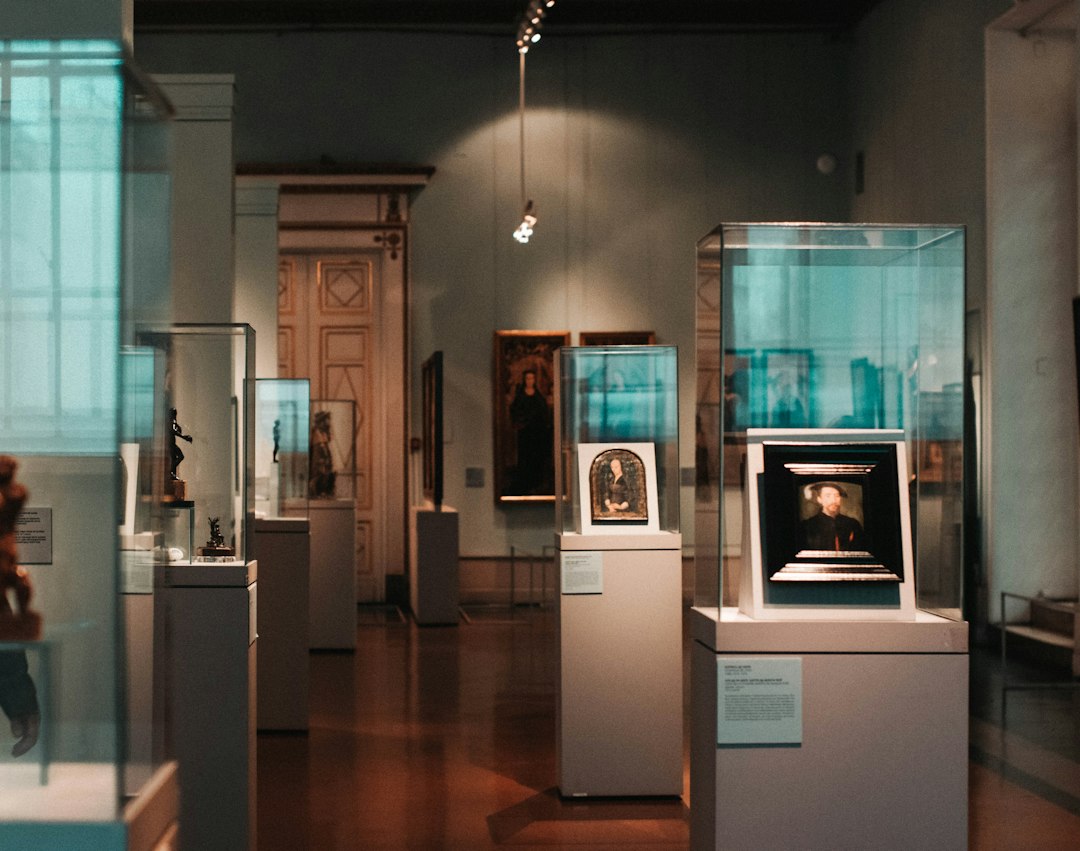
A memory palace is a powerful technique used by memory competitors. Imagine a familiar place, such as your home. Mentally “walk” through it and assign items or concepts you want to remember to specific locations. Next time you need to recall the information, simply retrace your steps in your mind. This method works because our brains are naturally good at remembering locations and spatial arrangements.
Study Images and Recreate Them from Memory
Pick a photo or painting and look at it for 30 seconds. Then, close your eyes and try to recall every detail: colors, shapes, people, and background elements. You can also try drawing the image from memory. This strengthens both attention to detail and visual recall.
Play Visual Memory Games
Games such as matching pairs, spot-the-difference puzzles, or online visual sequence tests are excellent for exercising your visual memory. These activities challenge your brain to pick up visual details quickly and store them for short and long-term retrieval.
Chunk Visual Information
Chunking means breaking down complex visuals into manageable pieces. For example, when trying to remember a phone number visually, group the digits in pairs or sets. When observing a painting, focus on one section at a time. This strategy makes recall easier and more accurate.
Associate Images with Emotions or Stories
We remember visuals better when they are linked to emotions or narratives. If you need to memorize a symbol or graphic, create a simple story around it or tie it to a feeling. This personal connection helps lock the visual information into your memory.
Incorporate Visual Memory Training into Daily Life
- Observe your environment: Pay attention to the layout of rooms, street signs, or logos you see every day.
- Try mindful walking: As you walk, note the colors of houses, cars, or shop windows and recall them later.
- Practice recalling lists visually: Picture your grocery list as images instead of words.
- Sketch from memory: Draw objects or scenes you saw earlier without looking at them again.
Understand the Science Behind Visual Memory
Research shows that the brain’s visual cortex and hippocampus work together during visual memory tasks. Regular training can strengthen the neural connections in these areas. MRI studies confirm that memory athletes have developed larger and more active regions in their brains associated with spatial and visual processing. The takeaway? Consistent practice can literally change your brain for the better.
Tips for Long-Term Progress
- Train regularly, aiming for at least 10 minutes each day.
- Gradually increase the difficulty of your exercises as your skills improve.
- Keep a progress journal to track which techniques work best for you.
- Challenge yourself with new environments, images, and memory games.
- Share techniques with friends or family to stay motivated.
Common Challenges and How to Overcome Them
At first, you may find it hard to recall details or maintain focus. This is normal. If you get stuck:
- Start with simpler visuals and gradually increase complexity.
- Take breaks to avoid mental fatigue.
- Repeat exercises consistently—even brief daily sessions help.
- Experiment with different methods to see what suits your mind best.
Conclusion: Start Your Visual Intelligence Journey
Developing visual intelligence through memory is a rewarding process. With daily practice and the right techniques, you can sharpen your visual recall, strengthen your cognitive skills, and enhance your creativity. If you’re looking for a structured way to boost your memory, consider trying the Memory Athlete app. It’s designed for daily brain training and offers practical exercises to turn these techniques into lasting habits. Give it a try and start unlocking your visual potential today!



Leave a Reply