

The Ancient Art Meets the Virtual Frontier
The pursuit of an enhanced memory is as old as civilization itself. From the oral traditions of pre-literate societies to the meticulous record-keeping of modern times, the ability to store, retrieve, and manipulate information has been a cornerstone of human progress. Among the myriad techniques developed to bolster this crucial cognitive faculty, the “Memory Palace” – also known as the Method of Loci – stands out as one of the most enduring and effective. Originating in ancient Greece, this mnemonic strategy involves associating items to be remembered with specific locations within a familiar imaginary or real architectural space. The more vivid and emotionally charged the associations, the stronger the recall. Now, as technology continues its relentless march, this venerable technique is finding an unprecedented new arena for development and application: Virtual Reality (VR). The convergence of the Memory Palace with immersive virtual worlds promises to elevate memory training to new heights, offering unparalleled opportunities for customization, engagement, and efficacy. This fusion transcends the limitations of traditional mental constructs, allowing for dynamic, interactive, and endlessly adaptable environments that cater to individual learning styles and memory challenges. The potential for cultivating superior recall and cognitive performance within these digital realms is immense, offering a revolutionary approach to personal and professional development.
The Enduring Power of Spatial Memory
The effectiveness of the Memory Palace stems from our innate human capacity for spatial memory. Our brains are incredibly adept at remembering places, routes, and the objects within them. This evolutionary advantage, crucial for navigation and survival in our ancestral environments, is harnessed by the Method of Loci. When we mentally place information within a familiar architectural space – be it our childhood home, a school, or a significant journey – we tap into this powerful spatial processing. The act of “walking through” this mental construct, revisiting each location and its associated information, strengthens the neural pathways linked to that memory. The more details we attach to each ‘locus’ – sights, sounds, smells, textures – the more vivid and accessible the memory becomes. VR significantly amplifies this natural inclination by providing a fully realized, multi-sensory environment that is far richer and more consistent than a purely imagined one. Unlike a mental image that might waver or lack fine detail, a virtual Memory Palace offers persistent, high-fidelity spatial cues, making the process of encoding and retrieval more robust. The consistency and detail available in a VR environment allow for a level of immersion that can closely mimic or even surpass the fidelity of a real-world experience, making the mnemonic associations particularly potent and durable.
Limitations of Traditional Memory Palaces
While highly effective, traditional Memory Palaces have inherent limitations. The creation and maintenance of a detailed mental palace require significant imaginative effort and sustained concentration. The vividness and complexity of the palace are entirely dependent on the individual’s mental visualization skills. Some individuals find it challenging to consistently create and navigate intricate mental landscapes, leading to less effective encoding and retrieval. Furthermore, the number of distinct loci within a purely imagined palace can be finite, especially for novices. While experienced mnemonists can construct vast, multi-level palaces, beginners often struggle to expand beyond a few dozen locations without experiencing mental fatigue or confusion. The ability to modify or adapt a purely mental palace can also be cumbersome, requiring significant re-visualization and effort. These challenges often present a barrier to entry for those new to mnemonic techniques, limiting their ability to fully capitalize on the method’s potential. VR directly addresses these limitations by externalizing the Memory Palace, transforming it from a mental construct into a tangible, explorable digital environment. This reduces the cognitive load associated with visualization, freeing up mental resources for the actual encoding of information.
In exploring the fascinating intersection of memory techniques and virtual reality, an intriguing article titled “Do Memory Athletes Dream Differently?” delves into the cognitive processes of individuals who excel in memory competitions. This piece complements the discussion on Memory Palaces in VR by examining how the unique mental landscapes created by memory athletes may influence their dreaming patterns and overall recall abilities. For those interested in the broader implications of memory training, this article can be found at Do Memory Athletes Dream Differently?.
The Dawn of VR Memory Palaces
The advent of Virtual Reality technology marks a pivotal moment for memory training. VR offers an unprecedented platform for creating dynamic, interactive, and highly customizable Memory Palaces that transcend the limitations of traditional mental constructs. Instead of merely imagining a space, users can now physically navigate and interact within a fully immersive digital environment designed specifically for memory enhancement. This leap from abstract visualization to concrete, interactive experience fundamentally alters the way we approach mnemonic training. The virtual world becomes a living, breathing canvas upon which users can paint their memories with vivid detail, reinforcing connections in ways previously impossible. The ability to control every aspect of this environment – from its architectural layout to the sensory details embedded within it – opens up a vast new frontier for personalized cognitive training. This shift is not just an incremental improvement; it is a paradigm shift, transforming the age-old art of memory into a futuristic science, ready to unlock latent cognitive potential.
Unparalleled Customization and Scalability
One of the most significant advantages of VR Memory Palaces is the unparalleled degree of customization they offer. Users can design or select environments that are personally resonant, visually engaging, and optimally structured for their specific memory goals. Imagine a student needing to memorize historical dates. They could create a virtual museum, with each exhibit hall representing a different century and specific artifacts serving as loci for particular events. A medical student could construct a virtual anatomical landscape, placing organs and their functions within a physiologically accurate model. The possibilities are endless. Moreover, VR environments are infinitely scalable. Unlike real-world or imagined palaces with finite spaces, a virtual palace can be expanded or modified with ease. New rooms, wings, or even entirely new buildings can be added as the user’s memory needs grow, ensuring a perpetually relevant and evolving training ground. This adaptability ensures that the Memory Palace remains a useful tool throughout a user’s entire learning journey, accommodating increasing complexity and volume of information. The flexibility to adjust the difficulty and scope of the memory challenges within the VR environment makes it a powerful and long-lasting educational tool.
Enhanced Sensory Engagement and Immersion
VR’s immersive nature significantly enhances sensory engagement, a critical factor in strong memory formation. Traditional mnemonic techniques rely heavily on visual imagery, but VR can incorporate a full spectrum of sensory inputs. As users navigate their virtual Memory Palaces, they can experience not just sights, but also sounds, haptic feedback (through controllers), and even simulated environmental effects. Imagine placing a complex chemical formula next to a bubbling beaker in a virtual laboratory, accompanied by the subtle sound of boiling liquid. Or associating a foreign language vocabulary word with a specific scent emanating from a virtual flower. These multi-sensory cues create richer, more distinct memory traces, making recall more robust and vivid. The sense of “presence” fostered by VR – the feeling of truly “being there” – further deepens engagement, making the memory-encoding process feel more like an authentic experience rather than a detached mental exercise. This heightened immersion reduces distractions and focuses cognitive resources on the task at hand, optimizing the learning process. The deeper the engagement, the more resonant and accessible the memories become over time.
Interactive Elements and Gamification
VR Memory Palaces can incorporate interactive elements and gamification to make memory training more engaging and enjoyable. Instead of passively observing information, users can actively manipulate objects, solve puzzles, and engage with their virtual environment in dynamic ways. For instance, to remember a sequence of steps, a user could virtually “perform” those steps within their palace, interacting with digital tools and objects. Gamified elements, such as timed challenges, leaderboards, and rewards for successful recall, can further motivate users and transform memory training into a stimulating and addictive activity. This shift from rote memorization to interactive learning not only makes the process more palatable but also strengthens memory through active participation and problem-solving. The ability to directly interact with the information being learned, rather than simply observing it, creates a more profound and enduring cognitive connection. This active engagement reinforces learning pathways and enhances both short-term retention and long-term recall.
Designing Effective VR Memory Palaces
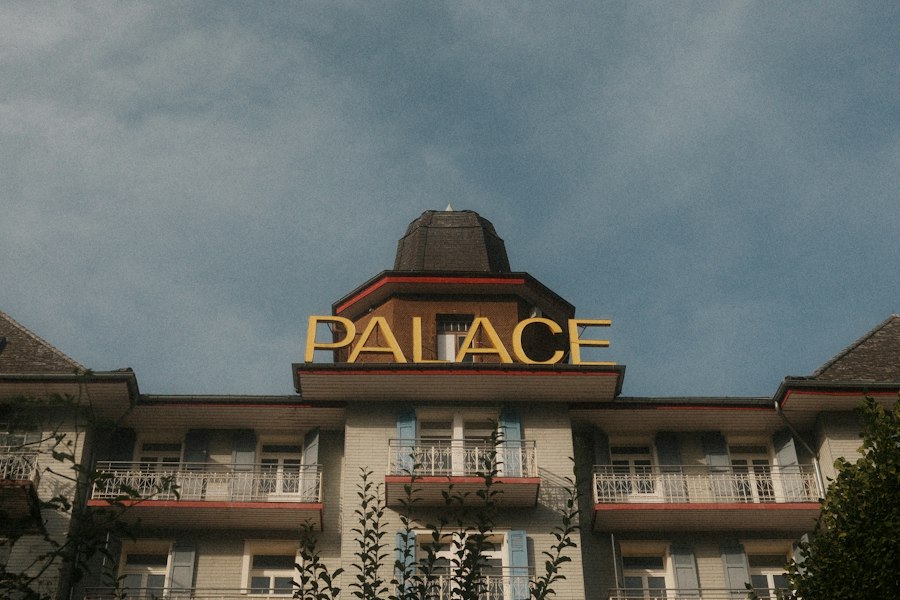
The efficacy of a VR Memory Palace hinges on thoughtful design principles that leverage the unique capabilities of the virtual medium while adhering to the core tenets of the Method of Loci. Simply porting a generic virtual environment into a VR headset is insufficient; rather, environments must be meticulously crafted to optimize memory encoding and retrieval. The design must facilitate intuitive navigation, encourage vivid associations, and provide a consistent framework for information organization. Creating a truly effective VR Memory Palace requires a deep understanding of cognitive psychology, user experience design, and the technical capabilities of VR platforms. It is an intersection of art and science, aiming to create not just a virtual space, but a cognitive tool. Without deliberate design, the potential of VR can be squandered, leading to cluttered or confusing environments that hinder rather than help memory.
Strategic Layout and Navigation
The architectural layout of a VR Memory Palace is paramount. Just as in a real-world palace, a clear and logical structure is essential for easy navigation and consistent recall. Environments should feature distinct rooms, corridors, and landmarks that serve as natural divisions for different categories of information. The path through the palace should be intuitive and repeatable, allowing users to consistently retrace their steps when recalling information. Careful consideration should be given to the flow and spatial relationships between different areas. For instance, related categories of information might be placed in adjacent rooms, or a central hub might lead to various themed wings. Clear visual cues, such as distinct color schemes for different sections or unique architectural details, can further aid in spatial differentiation and memory consolidation. The goal is to create a predictable and memorable journey that reinforces the order and context of the stored information. Minimizing visual clutter and focusing on clear lines of sight can also reduce cognitive load and improve the user’s ability to focus on the information itself rather than struggling with navigation.
Visual and Auditory Cues for Encoding
VR offers an unparalleled opportunity to embed rich visual and auditory cues directly into the environment, significantly enhancing the encoding process. Instead of merely imagining a “burning bush” to remember a specific concept, users can encounter a dynamically animated, fiery shrub that crackles with realistic sound. Objects representing information can be designed with exaggerated features, vibrant colors, or humorous animations to make them more memorable. The use of spatial audio can also be highly effective; for example, a specific sound byte or musical motif could be associated with a particular locus or piece of information, triggering recall when the user approaches that area in the VR environment. The ability to integrate these multi-sensory elements directly into the persistent virtual world allows for a level of detail and vividness that is difficult to achieve with purely mental visualization. The more senses engaged, and the more distinct and unusual the cues, the stronger the memory trace will be, making recall effortless and precise.
Interactive Objects and Dynamic Environments
Beyond static placement, VR Memory Palaces can leverage interactive objects and dynamic environments to deepen engagement and strengthen memory. Imagine learning about the mechanics of a clock by virtually dissecting a working clock within your palace, observing its gears move and hearing the tick-tock. Or, to remember a chemical reaction, you could virtually combine elements, witnessing the ensuing virtual explosion or color change. These interactive elements transform passive observation into active learning, embedding the information within a context of action and consequence. Dynamic environmental changes can also serve as powerful memory aids. For example, a room’s lighting could change from bright to dim depending on the mood of the historical period being studied, or the weather outside a virtual window could reflect the climate of a geographical region. These dynamic cues create a more engaging and memorable learning experience, solidifying the connections between information and its virtual context. The active manipulation of objects and the observation of cause-and-effect within the VR space create stronger neural pathways than passive viewing.
The Memory Athlete is a platform that offers techniques to enhance cognitive abilities. By visiting the Memory Athlete, you can learn strategies to improve your memory retention. Many people have found success in boosting their mental performance through the resources provided by the Memory Athlete.
Practical Applications and Future Prospects
The potential applications of VR Memory Palaces extend far beyond mere novelty. They offer a transformative tool for education, professional development, and even therapeutic interventions. As VR technology becomes more accessible and sophisticated, these immersive training grounds will likely become an integral part of how we learn, remember, and process information in the 21st century. The ability to create personalized, infinitely adaptable learning environments positions VR as a powerful catalyst for cognitive enhancement across a multitude of domains. This technology moves beyond simple memorization to fostering a deeper understanding and integration of knowledge, creating a more holistic learning experience.
Education and Academic Performance
In educational settings, VR Memory Palaces could revolutionize how students learn and retain complex information. Imagine medical students virtually exploring an anatomical palace, placing diagnoses and treatments within specific organs. History students could walk through a meticulously recreated ancient city, associating historical figures and events with their actual locations. Language learners could navigate a virtual marketplace, associating new vocabulary with specific items and interactions. This contextual and experiential learning approach moves far beyond traditional textbook memorization, leading to deeper understanding and more durable recall. It allows students to “live” their learning, transforming abstract concepts into tangible, memorable experiences. The ability to revisit these virtual spaces repeatedly, reinforcing learned material in a consistent and engaging manner, would significantly boost academic performance across all disciplines, from humanities to STEM fields.
Professional Development and Skill Acquisition
The benefits of VR Memory Palaces are equally profound for professional development. Professionals could use these virtual environments to master vast amounts of technical data, complex procedures, or new regulations. Pilots could memorize intricate checklists within a virtual cockpit, associating each item with a specific switch or dial. Lawyers could construct a virtual courtroom, organizing case precedents and legal arguments spatially. Sales professionals could remember client details and product specifications by placing them within a virtual representation of their client’s office. The ability to rapidly acquire and accurately recall critical information is a cornerstone of professional success, and VR Memory Palaces offer an unparalleled tool for achieving this. This method provides a powerful solution for continuous learning and adaptation in rapidly evolving industries, making it an invaluable asset for lifelong professional growth.
Therapeutic and Rehabilitative Uses
Beyond learning and performance, VR Memory Palaces show promise in therapeutic and rehabilitative contexts. For individuals struggling with memory impairments due to aging, stroke, or neurological conditions, these personalized virtual environments could offer a structured and engaging platform for memory rehabilitation. Patients could be guided through their VR Palaces, gradually rebuilding their ability to encode and retrieve information in a safe and controllable setting. The gamified elements and personalized nature of these environments could significantly increase patient engagement and motivation, making rehabilitation more effective. Furthermore, VR could assist individuals with anxiety or PTSD by allowing them to create “safe spaces” within their memory palaces, associating positive memories or coping mechanisms with specific locations, offering a novel approach to cognitive behavioral therapy. The controlled nature of VR environments also allows therapists to adjust the level of challenge and support, tailoring the experience to each individual’s needs.
In exploring the fascinating intersection of memory techniques and virtual reality, the concept of Memory Palaces in VR offers innovative ways to enhance recall in immersive environments. For those interested in further enhancing their memory skills, a related article discusses effective strategies for remembering dreams every morning, which can complement the techniques used in Memory Palaces. You can read more about this intriguing approach to memory enhancement here.
The Future of Memory Enhancement
| Metric | Description | Value / Result | Notes |
|---|---|---|---|
| Recall Accuracy | Percentage of correctly recalled items after VR memory palace training | 85% | Measured after 1 week of immersive training sessions |
| Training Duration | Average time spent per session in VR memory palace | 30 minutes | Sessions conducted 3 times per week |
| Retention Rate | Percentage of information retained after 1 month | 75% | Compared to 50% retention in traditional methods |
| User Engagement | Average user engagement score (scale 1-10) | 8.7 | Based on self-reported questionnaires |
| Cognitive Load | Measured cognitive load during VR training (scale 1-10) | 4.2 | Lower scores indicate less mental effort required |
| Spatial Navigation Efficiency | Time taken to navigate memory palace in VR | 2 minutes | Improved by 30% after 4 sessions |
| Immersion Level | User-reported immersion rating (scale 1-10) | 9.1 | High immersion linked to better recall |
The trajectory of VR Memory Palaces is undoubtedly upward. As VR hardware becomes more affordable, lighter, and more powerful, and as software tools for creating virtual environments become more intuitive, the accessibility and sophistication of these memory training solutions will skyrocket. We are on the cusp of a memory revolution, where the boundaries between imagination and reality blur, opening up unprecedented avenues for cognitive enhancement. The continued integration of artificial intelligence (AI) will further personalize the VR Memory Palace experience, adapting environments and challenges based on individual progress and learning patterns. AI could dynamically generate new loci, suggest optimal mnemonic associations, or even identify areas where a user is struggling, offering targeted interventions. Imagine a VR Memory Palace that intuitively grows with you, anticipating your learning needs and continually optimizing itself for peak cognitive performance.
Integration with Brain-Computer Interfaces (BCIs)
Looking further into the future, the integration of VR Memory Palaces with Brain-Computer Interfaces (BCIs) holds truly transformative potential. BCIs could allow users to navigate their virtual palaces and even place information within them using only their thoughts, bypassing traditional controllers. This direct neural interface would create an unparalleled level of immersion and control, making the act of memory encoding feel seamless and intuitive. Furthermore, BCIs could provide real-time feedback on cognitive states, allowing the VR system to dynamically adjust the environment or present information in ways that optimize brain activity for memory formation. This direct neural feedback could accelerate learning, improve focus, and even help to identify and mitigate cognitive fatigue. The synergy between VR and BCI could unlock entirely new dimensions of human memory and learning, creating a truly symbiotic relationship between mind and machine. This convergence moves beyond interaction to direct mental control, offering a truly personalized and profoundly effective cognitive training platform.
Democratizing Mnemonic Mastery
Ultimately, VR Memory Palaces have the potential to democratize mnemonic mastery. Historically, the ability to construct and effectively utilize a Memory Palace was often considered an advanced skill, requiring significant dedication and practice. VR lowers the barrier to entry, providing an intuitive, guided, and engaging platform that makes this powerful technique accessible to a much broader audience. From young students to lifelong learners, anyone with access to VR technology will be able to harness the power of spatial memory to dramatically improve their recall and cognitive abilities. This democratization will not only elevate individual cognitive performance but also contribute to a more knowledgeable and intellectually agile society. The ability to efficiently learn and remember vast amounts of information will become a foundational skill in an increasingly complex world.
To wrap up, we invite readers to elevate their memory and cognitive performance by downloading Memory Athlete, the ultimate app for mastering recall, sharpening focus, and unlocking their brain’s full potential. Step into the future of memory training and experience the transformative power of immersive recall environments.




Leave a Reply