

The Paradox of Future Nostalgia: Longing for What Isn’t Yet
The human experience is inextricably linked to time. We inhabit the present, are shaped by the past, and perpetually anticipate the future. While nostalgia typically evokes a longing for a bygone era, a yearning for familiar comfort and cherished memories, can we extend this powerful emotion to what has not yet come to pass? The concept of “remembering tomorrow” – being nostalgic for the future – presents a fascinating paradox that challenges our understanding of memory, emotion, and temporal perception. It suggests an ability to project ourselves into a future state, to imbue it with a sense of the familiar and the desirable, even before it materializes. This isn’t merely planning or hoping; it’s a deeper, more emotional engagement, a pre-emptive attachment to experiences yet to be lived.
At its core, future nostalgia speaks to our innate capacity for imagination and our drive to create meaning. We are not passive observers of time; we actively construct our narratives within it. When we envision a future, whether personal or collective, we populate it with details, emotions, and aspirations. If these envisioned futures are sufficiently compelling, sufficiently infused with a sense of ideal or yearning, they can evoke an emotional response akin to the comfort and longing of traditional nostalgia. This isn’t a delusion, but rather a sophisticated cognitive and emotional process that allows us to find meaning and motivation in the uncertain terrain of what is to come. It’s a mechanism that fuels our ambitions, provides solace in difficult presents, and ultimately shapes the reality we strive to build. The psychological implications are profound, touching upon concepts of identity, happiness, and our very relationship with the arrow of time.
The Cognitive Foundations of Anticipatory Emotion
Our ability to feel nostalgic for the future is rooted in several fundamental cognitive processes. One crucial element is episodic future thinking, the mental capacity to project oneself into future scenarios and mentally simulate experiences. Unlike simple planning, which focuses on logistics, episodic future thinking involves rich sensory details, emotional content, and a sense of self within the future event. When we anticipate a long-awaited vacation, for instance, we don’t just think about booking flights; we mentally “experience” the sun on our skin, the taste of local food, and the joy of exploring new places. This mental simulation creates a form of pre-experience, laying the groundwork for emotional attachment.
Another key aspect is the role of memory in shaping our future perceptions. While traditional memory looks backward, our brains also employ a constructive memory system that can assemble imagined future events from fragments of past experiences and current knowledge. This “pre-play” of future events allows us to anticipate not just what might happen, but how it might feel. If these simulated feelings are predominantly positive, reflecting desires, hopes, and ideals, they can trigger a powerful emotional response. The brain doesn’t always distinguish perfectly between vivid imagination and actual experience when it comes to emotional processing, hence the possibility of feeling a longing for something that hasn’t materialized yet.
Furthermore, our capacity for narrative construction plays a significant role. Humans are natural storytellers, and we constantly weave narratives about our lives, past, present, and future. When we envision an ideal future, we are essentially crafting a compelling story starring ourselves. This narrative provides coherence, purpose, and emotional resonance to our aspirations. The more detailed and emotionally engaging this future narrative, the more likely we are to develop a sense of attachment and longing for its realization. This attachment then manifests as a form of future nostalgia, a wistful yearning for a story we desperately want to live.
The Nuance of Hope Versus Nostalgia
It’s important to distinguish future nostalgia from mere hope or aspiration. While closely related, there’s a subtle but significant difference. Hope is generally forward-looking and focuses on the possibility of a desired outcome. It’s an optimistic expectation. Future nostalgia, however, carries an additional layer of emotional depth – a sense of longing, a wistfulness, almost as if a beloved memory of the future is being recalled. It’s the difference between saying, “I hope to get that job,” and “I already miss the feeling of success and fulfillment I’ll have when I get that job.” The latter imbues the future event with a past-like quality, a sense of having already been cherished.
This distinction lies in the emotional tenor. Hope can be energetic and active, driving us towards goals. Future nostalgia, while still motivating, often has a softer, more reflective quality. It’s a sweet ache for something yet to be, a romanticized vision that has, in a way, already become a part of our emotional landscape. This isn’t to say one is superior to the other; both are powerful human emotions that drive us forward. However, recognizing the unique flavor of future nostalgia allows for a deeper understanding of our complex relationship with the future and the ways in which we imbue it with meaning long before it arrives. It speaks to a human desire not just to achieve, but to cherish what is to come, to fold it into our emotional fabric even before its materialization.
In the exploration of nostalgia and its implications for our perception of the future, a related article titled “The Link Between Cardio Exercise and Memory” delves into how physical activity can enhance cognitive functions and potentially shape our memories of the past and future. This connection underscores the importance of maintaining a healthy lifestyle not only for physical well-being but also for mental clarity and memory retention. For more insights on this topic, you can read the article here: The Link Between Cardio Exercise and Memory.
Cultural Expressions of Anticipatory Yearning
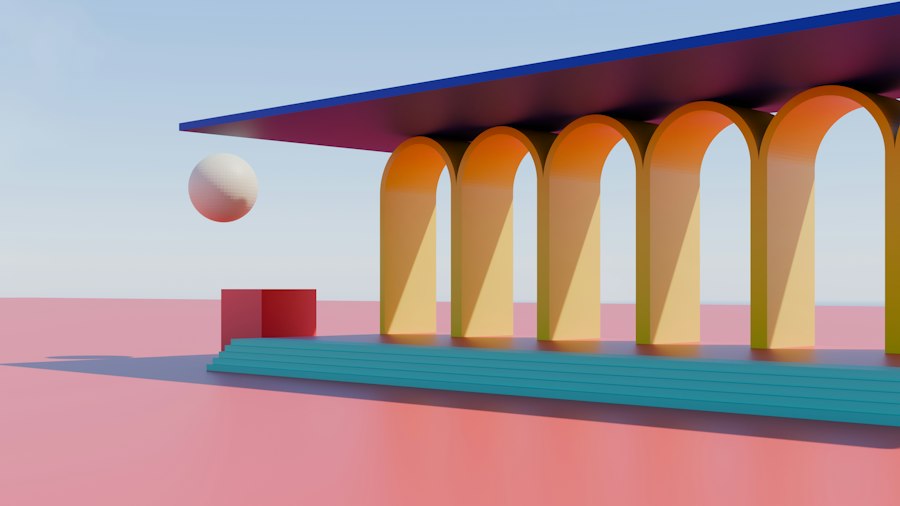
The concept of future nostalgia, while perhaps not always explicitly named, permeates various aspects of human culture, from art and literature to urban planning and technological advancements. It reflects a collective human tendency to dream big and to envision futures that transcend current realities, imbuing these visions with a sense of idealized longing. These cultural expressions serve as collective reservoirs of future nostalgia, shaping our shared aspirations and providing a framework for what we collectively yearn for.
Utopian Visions and Science Fiction
Perhaps the most explicit cultural manifestation of future nostalgia can be found in utopian literature and science fiction. These genres are built on the premise of envisioning alternative futures, often presenting idealized societies, advanced technologies, or profound societal shifts. Authors and filmmakers meticulously craft these future worlds, populating them with details that evoke a sense of wonder, progress, and often, a deep longing for their realization. Think of the seamless, technologically advanced world of Star Trek, where humanity has overcome war and poverty, focusing instead on exploration and intellectual pursuits. Fans of such narratives don’t just enjoy the stories; many develop a genuine yearning for that specific future, a feeling that transcends mere entertainment. They become nostalgic for a future that has never existed, but which feels deeply desirable and, in some ways, intimately familiar through repeated exposure.
The appeal of cyberpunk, too, can be understood through this lens, albeit with a darker twist. While often dystopian, there’s a certain aesthetic and technological allure – a yearning for the sleek, neon-lit cityscapes and sophisticated biotechnologies, even amidst societal decay. It’s a complex form of future nostalgia, where the yearning might be for the power or aesthetic of a certain technology, even if the societal implications are negative. In both utopian and dystopian fiction, the detailed portrayal of future worlds allows readers and viewers to “pre-experience” them, generating a potent emotional connection that can feel surprisingly similar to looking back fondly on a past event. These narratives provide a canvas upon which collective hopes and anxieties about the future are projected, allowing us to engage with them on an emotional level.
The Allure of Progress and Innovation
Beyond explicit fictional portrayals, the very human drive for progress and innovation often carries an undercurrent of future nostalgia. When we eagerly anticipate a new technological breakthrough – be it a cure for a disease, sustainable energy solutions, or advancements in space travel – we are not merely hoping for a practical outcome. We are often envisioning a better future, a future where suffering is alleviated, where resources are abundant, or where humanity has expanded its horizons. This vision becomes imbued with emotional significance, a romanticized ideal that we actively yearn for.
Consider the enthusiasm surrounding early space exploration. While driven by scientific curiosity and geopolitical ambition, there was also a powerful, almost nostalgic longing for a future where humanity was a multi-planetary species, where the stars were within reach. People imagined the views from lunar colonies, the experience of zero gravity, and the profound philosophical implications of encountering alien life. These weren’t just abstract ideas; they were vivid, emotionally charged visions that generated a collective yearning for a future that seemed both inevitable and wonderfully desirable. This anticipatory yearning fuels research and development, providing a powerful motivational force for innovators and scientists alike.
Fashion, Architecture, and Design as Future Artifacts
The world of fashion, architecture, and design also provides fascinating examples of future nostalgia. Designers often look to past visions of the future, creating garments or buildings that feel both forward-looking and imbued with a sense of historical aspiration. Art Deco, for example, was a style that, in its time, was seen as incredibly futuristic, embodying speed, modernity, and industrial progress. Today, when we encounter Art Deco buildings or designs, there’s a dual sense of appreciating a historical aesthetic and, for some, a nostalgic longing for the optimistic future it once represented – a future that, in many ways, never fully materialized as envisioned.
Similarly, specific fashion trends that invoke a “space age” aesthetic or a “cyberpunk chic” are tapping into a collective memory of future ideals. These aren’t merely stylistic choices; they are cultural touchstones that allow us to engage with, and even embody, futures that have been imagined. By wearing a garment or inhabiting a space designed to evoke a particular future, we are, in a sense, performing future nostalgia, actively participating in the yearning for what might have been or what still could be. These creative outputs act as tangible representations of our collective future aspirations, allowing us to touch, wear, and inhabit pieces of our imagined tomorrows.
The Psychological Benefits and Potential Pitfalls
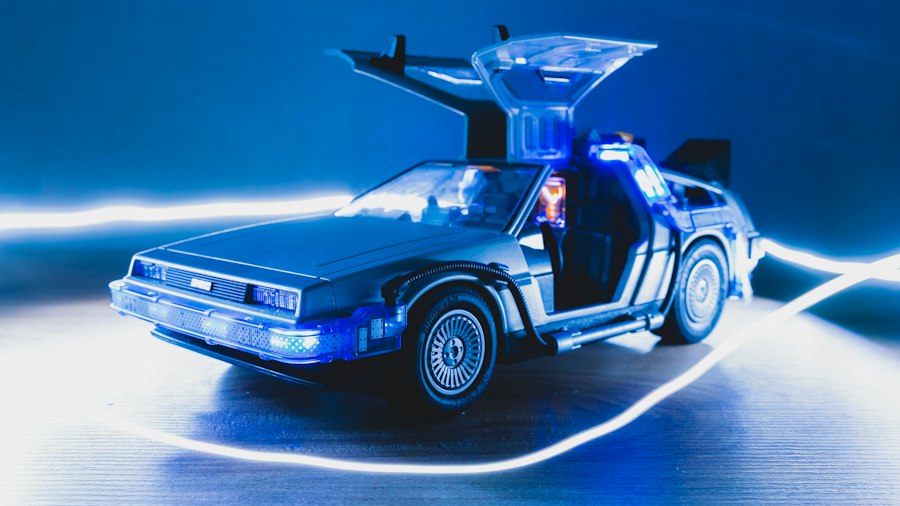
Engaging in future nostalgia, while a complex emotional and cognitive process, offers a range of psychological benefits. However, like any powerful psychological mechanism, it also carries potential pitfalls that warrant careful consideration. Understanding both sides of this coin is crucial for harnessing its power constructively.
The Motivational Engine of Aspiration
One of the most significant benefits of future nostalgia is its role as a powerful motivational engine. When we vividly envision and emotionally attach ourselves to a desired future, it imbues our current efforts with greater meaning and purpose. The longing for that future acts as a constant pull, encouraging perseverance through challenges and inspiring us to take proactive steps toward its realization. It transforms abstract goals into emotionally resonant destinations. For instance, an aspiring entrepreneur might feel a deep “nostalgia” for the future moment of launching a successful product, the feeling of impact, and the sense of accomplishment. This pre-emptive emotional reward can be a stronger driver than simply hoping for success.
Future nostalgia also contributes to resilience. In difficult present circumstances, the ability to project oneself into a cherished future can provide a sense of hope and a reminder that current struggles are temporary. It offers a psychological escape and a source of strength, enabling individuals to endure hardships with the belief that a better tomorrow awaits, a tomorrow that they have already, in a sense, experienced emotionally. This imagined future acts as a beacon, guiding us through the storms of the present. It helps in maintaining a positive outlook and fostering a growth mindset, essential components for navigating life’s inevitable challenges.
Furthermore, it can enhance creativity and problem-solving. By allowing ourselves to freely imagine and feel connected to ideal futures, we open our minds to possibilities beyond current constraints. This imaginative space fosters innovative thinking, as we strive to bridge the gap between our present reality and our nostalgic future. It prompts the question, “How can we make that future happen?” thereby sparking new ideas and approaches. This process is not just about dreaming; it’s about actively engaging with the future as a malleable entity, inviting us to shape it through our ingenuity and effort.
The Shadow Side: Escapism and Disappointment
Despite its benefits, future nostalgia is not without its potential downsides. One significant pitfall is the risk of excessive escapism. If the present reality is particularly challenging or unsatisfying, an individual might retreat too deeply into an imagined, idealized future, using it as a coping mechanism to avoid confronting current problems. While a certain degree of escapism can be healthy, an over-reliance on it can lead to inaction, procrastination, and a failure to address immediate needs. The imagined future becomes a comfortable prison, preventing engagement with the messy complexities of the present.
Another potential issue is the heightened risk of disappointment. When we imbue a future event with such profound emotional longing and attachment, the actual experience, when it arrives, may struggle to live up to the idealized vision. The gap between expectation and reality can be jarring, leading to feelings of letdown, disillusionment, or even a sense of loss for the imagined future that was, in some ways, more perfect than the real one. This can be particularly true for major life events, like dream vacations, career achievements, or significant relationships, where the anticipatory build-up is immense.
Moreover, an over-emphasis on future nostalgia can sometimes detract from the appreciation of the present moment. If we are constantly yearning for what is to come, we risk missing the beauty, joy, and opportunities that exist right now. It can foster a perpetual state of “waiting for life to begin,” rather than fully inhabiting and cherishing the current experience. Finding a balance between striving for a better future and living mindfully in the present is a crucial psychological skill, preventing future nostalgia from becoming a source of chronic dissatisfaction. It requires a conscious effort to ground oneself in the here and now, even while holding onto cherished future aspirations.
To improve your memory skills, consider exploring the techniques used by a [Memory Athlete](https://memoryathlete.angelotricarico.com/). Many people have enhanced their cognitive abilities by learning from a Memory Athlete. Discover the secrets of memorization by following the methods of a Memory Athlete.
Cultivating a Healthy Relationship with Future Anticipation
Given the complex nature of future nostalgia, it becomes imperative to cultivate a healthy and balanced relationship with anticipatory emotions. This involves leveraging its motivational power while mitigating its potential downsides. It’s about consciously shaping our future narratives and integrating them harmoniously with our present reality.
Mindful Future Projections
The key to a healthy approach lies in mindful future projections. This means engaging in episodic future thinking with intention and awareness. Instead of passively letting our minds wander to idealized futures, we can actively shape these visions. This involves several steps:
First, be specific and realistic. While it’s good to dream big, ground your future visions in what is genuinely attainable and desirable for you. Avoid simply adopting societal ideals without critical reflection. The more authentic your future vision is to your own values and aspirations, the more potent and less prone to disappointment it will be.
Second, incorporate both the positive and the challenging aspects of the future. A completely idealized future is often brittle. Acknowledge that even in a desired future, there will be efforts, adjustments, and minor imperfections. This makes the vision more robust and prepares you for the reality of achieving it, reducing the shock of unexpected difficulties.
Third, regularly review and update your future narratives. As you grow and circumstances change, your ideal future may evolve. Treat your future vision not as a fixed destination, but as a dynamic landscape that you continually explore and refine. This flexibility prevents rigid attachment to outdated dreams and allows for adaptation.
Finally, practice gratitude for the present while anticipating the future. Make a conscious effort to appreciate what you have now, even as you strive for more. This helps to prevent the “waiting for life to begin” syndrome and ensures that your pursuit of the future enriches, rather than diminishes, your experience of the present.
Integrating Past, Present, and Future Narratives
A holistic approach to temporal experience involves integrating our past memories, present realities, and future aspirations into a coherent personal narrative. Our understanding of who we are is deeply rooted in our life story, which extends both backward and forward in time.
Past memories provide the foundation for our identity, shaping our values, beliefs, and understanding of the world. The present is where we act, make decisions, and experience life firsthand. The future provides direction, purpose, and motivation. When these three temporal dimensions are in harmony, we experience a sense of continuity and meaning.
Future nostalgia can play a crucial role in this integration. By feeling a longing for a specific future, we are, in essence, adding a new chapter to our life story even before it’s written. This future chapter is informed by our past experiences and shaped by our present choices. When we consciously connect our past learnings to our present actions and then link those actions to our future aspirations, we create a powerful, self-reinforcing narrative that fuels growth and fulfillment. It allows us to see ourselves as active agents in shaping our destiny, rather than passive recipients of fate. This conscious weaving of our temporal threads creates a resilient and meaningful existence.
In exploring the themes presented in “Remembering Tomorrow: Can We Be Nostalgic for the Future?”, one might find it intriguing to consider how our mental practices shape our perceptions of time and memory. A related article discusses the importance of establishing a daily mental training routine, which can enhance our cognitive abilities and influence how we reflect on both past and future experiences. For those interested in developing such skills, the insights offered can be invaluable. You can read more about this topic in the article here.
The Future of Memory: A New Frontier
| Metric | Description | Example | Relevance to Nostalgia for the Future |
|---|---|---|---|
| Temporal Focus | Orientation of thoughts towards past, present, or future | Thinking about childhood memories vs. imagining future events | Shifts from past to future nostalgia involve changing temporal focus |
| Emotional Valence | Positive or negative emotional tone associated with memories or anticipations | Warmth and happiness recalling a past event vs. hopeful excitement for future | Future nostalgia often involves positive anticipation mixed with longing |
| Imagery Vividness | Clarity and detail of mental images related to memories or future scenarios | Detailed visualization of a past vacation or an upcoming celebration | Higher vividness enhances the feeling of nostalgia for future events |
| Sense of Loss | Feeling of something missing or unattainable | Missing a past era or anticipating a future that may never come | Core to nostalgia, including for imagined future experiences |
| Motivational Impact | Influence on behavior and goals | Using nostalgic feelings to inspire future planning or creativity | Future nostalgia can motivate proactive and hopeful actions |
The very idea of “remembering tomorrow” pushes the boundaries of our understanding of memory itself. Traditionally, memory has been viewed as a repository of the past. However, modern cognitive science increasingly recognizes memory’s constructive and future-oriented nature. This expanded view opens up exciting new frontiers in how we perceive and potentially enhance our cognitive abilities.
Memory as a Constructive and Predictive Tool
Neuroscientific research has increasingly shown that the same brain regions involved in recalling past events (like the hippocampus and prefrontal cortex) are also active when we imagine future scenarios. This suggests a deep evolutionary connection: memory isn’t just about archiving the past, but about using past information to simulate and predict potential futures. Our ability to “remember tomorrow” is a sophisticated evolutionary adaptation that allows us to plan, anticipate threats, and optimize our chances of survival and success.
This constructive nature of memory means that our future visions are not merely fantasies but are actively built from the raw materials of our past experiences, current knowledge, and emotional states. The more detailed and emotionally rich our memories of the past, the richer and more compelling our imagined futures can become. This highlights a crucial link: improving our ability to remember the past can, in turn, enhance our capacity for vivid and motivating future anticipation. It’s a cyclical relationship where a well-ordered and accessible past feeds a vibrant and achievable future.
The future of memory, therefore, is not just about recall speed or data storage capacity; it’s about the quality of our mental simulations, the richness of our future narratives, and our ability to leverage past experiences to construct plausible and inspiring tomorrows. As we understand more about these neural mechanisms, we may unlock new ways to consciously train and optimize our brains for this predictive function, essentially enhancing our capacity for future nostalgia in a controlled and beneficial manner.
Enhancing Cognitive Performance for Future Mastery
The ability to effectively “remember tomorrow” is a hallmark of high cognitive performance. It requires strong working memory to hold complex future scenarios in mind, excellent focus to build detailed mental simulations, and robust recall abilities to draw upon relevant past experiences and knowledge. Therefore, cultivating these cognitive strengths is directly relevant to mastering future anticipation.
Improving memory skills, for example, isn’t just about remembering facts or faces; it’s about building a richer database from which to construct future scenarios. Sharpening focus allows for more detailed and immersive future projections, making them more emotionally resonant and believable. Developing critical thinking helps in evaluating the plausibility of future visions and refining them for greater realism and impact. All these cognitive functions contribute to a more effective and beneficial engagement with future nostalgia.
Imagine an individual who can vividly recall past lessons, apply them with laser focus to current challenges, and then, with equal clarity, project themselves into a detailed, emotionally compelling future that aligns with their deepest aspirations. This individual is not just remembering the past; they are actively shaping their tomorrow through the power of their mind. This level of cognitive mastery is not an innate gift for a select few; it is a skill that can be developed and honed. The journey to “remembering tomorrow” effectively is ultimately a journey of unlocking our brain’s full potential for temporal navigation and creation.
In conclusion, the concept of “remembering tomorrow” – being nostalgic for the future – is a profound testament to the human spirit’s capacity for imagination, hope, and meaning-making. It’s a complex interplay of cognitive processes and emotions, allowing us to imbue what is yet to come with the familiar comfort and longing typically reserved for the past. While offering powerful psychological benefits, including motivation and resilience, it also necessitates a mindful approach to avoid the pitfalls of escapism and disappointment. By cultivating specific and realistic future projections, integrating our temporal narratives, and enhancing our core cognitive abilities, we can harness future nostalgia as a constructive force in our lives.
To truly master this unique cognitive ability – to recall, focus, and unlock your brain’s full potential for navigating the future – we invite you to elevate your memory and cognitive performance by downloading Memory Athlete. This ultimate app is designed for mastering recall, sharpening focus, and unlocking your brain’s full potential, providing you with the tools to vividly “remember tomorrow” and craft the future you desire.
FAQs
What does it mean to be nostalgic for the future?
Nostalgia for the future refers to a longing or sentimental yearning for experiences, events, or possibilities that have not yet occurred. It involves imagining idealized scenarios or outcomes that one hopes to experience, often blending hope with a sense of loss for what might never come to pass.
How does nostalgia for the future differ from traditional nostalgia?
Traditional nostalgia typically involves a wistful affection for the past, focusing on memories and experiences that have already occurred. In contrast, nostalgia for the future is oriented towards potential experiences and aspirations, reflecting a desire for what could be rather than what has been.
What psychological effects can nostalgia for the future have?
Nostalgia for the future can evoke feelings of hope and motivation, encouraging individuals to pursue their dreams and aspirations. However, it can also lead to disappointment or anxiety if the envisioned future does not materialize, as individuals may grapple with the gap between their expectations and reality.
Are there cultural examples of nostalgia for the future?
Yes, various cultural phenomena illustrate nostalgia for the future, such as retro-futurism in art and design, which combines past aesthetics with futuristic themes. Additionally, literature and films often explore utopian visions of the future, reflecting societal hopes and dreams while simultaneously critiquing current realities.
How can individuals cultivate a healthy sense of nostalgia for the future?
Individuals can cultivate a healthy sense of nostalgia for the future by setting realistic goals, embracing creativity, and maintaining a positive outlook. Engaging in visualization techniques, journaling about future aspirations, and surrounding oneself with supportive communities can also help foster a constructive and hopeful perspective on what lies ahead.





Leave a Reply