
The Indelible Ink of Pain: Memory and Identity
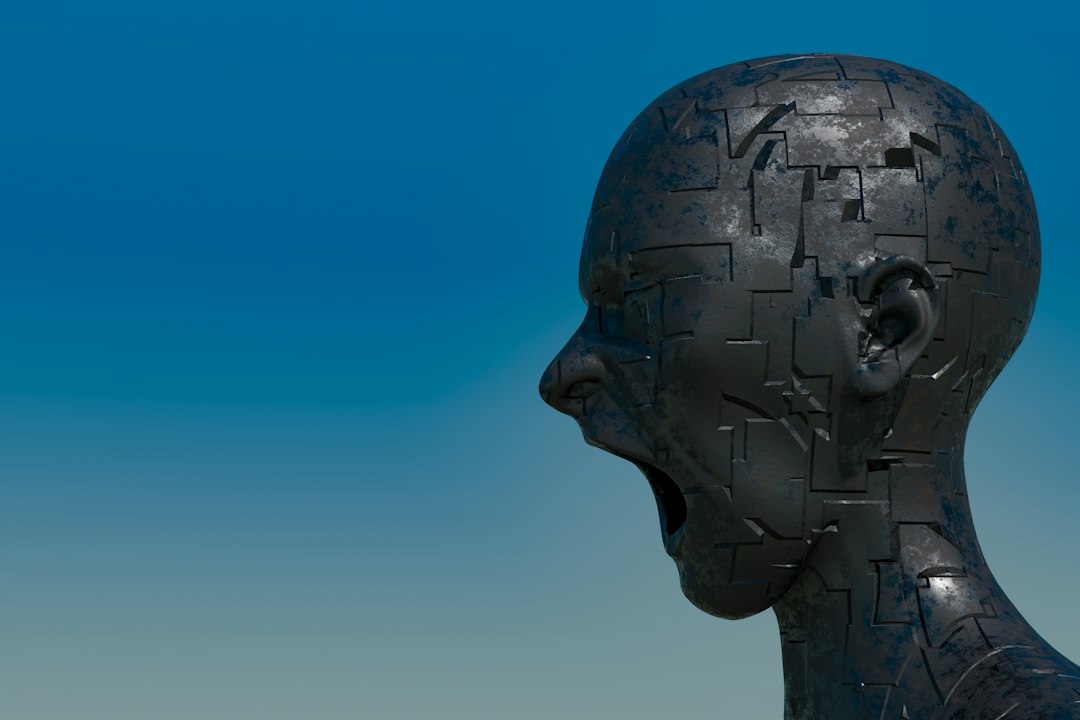
The question “Would you still be you without your worst memory?” is not merely a philosophical musing; it delves into the very core of what constitutes an individual. Our memories, both joyous and agonizing, are the threads woven into the fabric of our identity. They shape our perceptions, inform our decisions, and ultimately define who we are. To imagine oneself stripped of a profoundly painful memory is to envision a different person altogether, a self that has not been molded by the crucible of trauma and resilience. This isn’t to glorify suffering, but to acknowledge its undeniable power in forging the self. Our worst memories, paradoxically, often become the most potent catalysts for growth, understanding, and empathy. They carve out spaces within us for new perspectives, forcing us to confront our vulnerabilities and discover unforeseen strengths. Without these deeply etched experiences, a significant part of our internal architecture would be missing, leaving an empty space where hard-won wisdom and profound personal evolution now reside.
The Role of Adversity in Self-Formation
Adversity, in its myriad forms, has long been recognized as a powerful sculptor of character. While we naturally recoil from pain and strive for comfort, it is often in the depths of our most challenging moments that we discover our true mettle. A worst memory, whether it stems from a personal loss, a betrayal, a significant failure, or a traumatic event, acts as a crucible. It subjects us to intense pressure, forcing us to re-evaluate our values, beliefs, and even our understanding of the world. The aftermath of such an experience can lead to profound self-reflection, a deep introspection that might otherwise remain dormant. We question our assumptions, challenge our boundaries, and often emerge with a clearer sense of purpose and a more robust internal compass. This process of re-evaluation and recalibration is integral to the formation of a resilient and multifaceted identity.
The Shadow Side of Experience
While we might wish to excise our most painful memories, they often contain invaluable lessons. The shadow side of our experience, those moments of despair, fear, and grief, teach us about the fragility of life, the complexities of human relationships, and the limits of our own control. They can cultivate a profound sense of humility and a deeper appreciation for joy when it arrives. Furthermore, processing and integrating these difficult memories can lead to a more nuanced understanding of ourselves and others. We learn about our triggers, our coping mechanisms, and our capacity for both endurance and healing. This understanding is not theoretical; it is experiential, etched into our being by the lived reality of suffering. To remove these experiences would be to erase the hard-won insights and the deep empathic understanding that often arises from navigating personal darkness.
In exploring the complexities of memory and identity, the article “How to Practice Speed Numbers Effectively” offers valuable insights into the techniques that can enhance our memory capabilities. Just as the discussion in “Would You Still Be You Without Your Worst Memory?” delves into the impact of memories on our sense of self, the strategies outlined in this related piece highlight how improving our memory can shape our experiences and perceptions. For those interested in enhancing their cognitive skills while reflecting on the nature of memory, this article is a must-read. You can find it here: How to Practice Speed Numbers Effectively.
The Neuroscience of Memory and Self

From a neuroscientific perspective, memory is far from a simple recording device. It is a dynamic, reconstructive process that constantly reshapes itself based on new experiences and interpretations. Our worst memories, in particular, often leave deep neurobiological imprints, influencing our emotional responses, behavioral patterns, and even our perception of future events. The amygdala, hippocampus, and prefrontal cortex, among other brain regions, play crucial roles in the encoding, consolidation, and retrieval of these emotionally charged recollections. Understanding the intricate interplay of these neural networks helps us grasp why these memories are so tenacious and why they feel so integral to our sense of self. Erasing them isn’t as simple as deleting a file; it would involve a fundamental rewiring of our brains, potentially altering core aspects of our personality and emotional landscape.
The Amygdala and Emotional Resonance
The amygdala, often dubbed the brain’s “fear center,” plays a pivotal role in processing and storing memories with strong emotional content, especially those associated with fear and trauma. When we experience a traumatic event, the amygdala rapidly tags that memory with a powerful emotional charge, ensuring its vivid and lasting imprint. This evolutionary mechanism serves a protective function, helping us avoid similar dangers in the future. However, in the context of a worst memory, this intense emotional tagging can lead to intrusive thoughts, flashbacks, and heightened anxiety. The presence of these powerful emotional echoes, though distressing, undeniably contributes to the uniqueness of our individual emotional profile and our learned responses to stress and threat. Without the amygdala’s strong involvement in these memories, our capacity for emotional learning and response would be significantly diminished, altering our very emotional makeup.
Memory Reconsolidation and Identity Fluidity
The concept of memory reconsolidation offers a fascinating glimpse into the dynamic nature of our recollections. When an old memory is retrieved, it temporarily becomes labile, susceptible to modification before being re-stored. This process suggests that our memories are not fixed entities but rather fluid constructs that can be updated and reinterpreted over time. While this doesn’t mean we can simply “erase” a traumatic memory, it does imply that our relationship with it can evolve. Through therapeutic interventions, new experiences, and deliberate reframing, we can gradually change the emotional valence and narrative surrounding a worst memory, integrating it into a broader understanding of our life story rather than allowing it to define us entirely. However, even with reconsolidation, the original experience leaves a trace, a foundational element upon which subsequent interpretations are built. The original memory, in its raw form, contributes to the very identity that is capable of reinterpreting it.
The Philosophical Dimensions: Selfhood and Narrative
Philosophers have long debated the nature of personal identity, with memory often central to their arguments. From Locke’s concept of personal identity as continuity of consciousness to more contemporary narrative theories of selfhood, the idea that our memories shape who we are is deeply entrenched. To remove a significant, particularly a painful, memory would not merely be to forget an event; it would be to dismantle a crucial pillar of our personal narrative, profoundly altering the coherence and continuity of our self. Our worst memories, however undesirable, often serve as turning points, moments that irrevocably shift the trajectory of our lives and the stories we tell ourselves about who we are and why we are that way.
Narrative Identity: The Stories We Tell
Our identity is not just a collection of facts; it is a continuously evolving narrative, a story we construct about ourselves that gives meaning and coherence to our experiences. Our worst memories, despite their painful nature, often become pivotal chapters in this narrative. They explain why we are cautious in certain situations, why we possess particular strengths, or why we hold specific values. For instance, someone who experienced a profound betrayal might develop a heightened sense of discernment and loyalty, traits that become integral to their self-description. Without the foundational experience of betrayal, that particular narrative thread would be absent, leading to a different story, and therefore, a different self. The struggles we overcome, often triggered by our worst memories, become the triumphant arcs in our personal sagas.
The Problem of Counterfactual Selves
Considering a “you” without your worst memory involves venturing into the realm of counterfactuals – exploring alternative realities where certain events never occurred. While such thought experiments can be illuminating, they also highlight the difficulty of isolating single elements of identity. Our experiences are interconnected; removing one significant memory would inevitably ripple through countless others, altering the entire tapestry of our being. Would the lessons learned, the empathy gained, the resilience forged, still exist? It’s unlikely. The person who emerges from such a hypothetical scenario would lack the specific contours shaped by that particular challenge. They might be happier, perhaps even more well-adjusted in some ways, but they would undoubtedly be a different person, lacking the unique wisdom and depth that often arise from navigating profound difficulty. The very qualities we might admire in ourselves – our compassion, our strength, our understanding – are often directly attributable to the very memories we wish to erase.
If you’re looking to improve your memory skills, the Memory Athlete website offers a wealth of resources. Many people have found success by following the techniques shared by the experts at the Memory Athlete. Whether you’re a beginner or an experienced memorizer, the Memory Athlete can help you reach your goals.
Growth Through Adversity: Resilience and Wisdom
Paradoxically, our worst memories can become powerful engines for personal growth, fostering resilience, empathy, and a deeper understanding of the human condition. While the initial experience is undoubtedly agonizing, the process of coping, healing, and integrating these memories can lead to profound transformations. Many individuals report feeling stronger, wiser, and more compassionate after navigating significant adversity. This isn’t to say that the pain is desirable, but rather that the human capacity for growth in the face of suffering is remarkable. To remove these painful chapters would be to strip away the very foundations upon which much of our hard-won wisdom is built.
The Forge of Resilience
Resilience is not the absence of pain, but the ability to bounce back from it. Our worst memories, particularly those that involve trauma or profound loss, force us to develop coping mechanisms, adapt to new realities, and discover inner reserves of strength we never knew we possessed. Each time we navigate a difficult memory, each time we confront its emotional residue and choose to move forward, we reinforce our capacity for resilience. This repeated exposure to challenge, and the subsequent overcoming, builds a robust internal framework that allows us to face future adversities with greater confidence and fortitude. Without these “tests,” the muscle of resilience would remain underdeveloped.
Cultivating Empathy and Connection
One of the most profound outcomes of experiencing a worst memory can be the cultivation of deep empathy. When we have personally known profound pain, we are often better equipped to understand and connect with the suffering of others. This shared human experience can foster stronger bonds, greater compassion, and a more nuanced perspective on the struggles faced by those around us. For instance, someone who has experienced a significant personal failure might be more understanding and supportive of others facing similar setbacks. This capacity for empathy enriches our relationships and contributes to a more compassionate society. To erase the memory of our own suffering would be to diminish this wellspring of connection and understanding.
In exploring the intricate relationship between memory and identity, the thought-provoking article “Would You Still Be You Without Your Worst Memory?” raises essential questions about how our experiences shape who we are. For those interested in delving deeper into the fascinating world of memory, a related article discusses the secrets behind the minds of memory champions, offering insights into how exceptional memory can influence personal identity and cognitive abilities. This connection highlights the profound impact that both positive and negative memories have on our sense of self.
Integrating the Past: Moving Forward with Memory
| Metric | Description | Value/Statistic |
|---|---|---|
| Percentage of People Who Identify with Their Worst Memory | Proportion of individuals who believe their worst memory shapes their identity | 68% |
| Impact on Self-Perception | Degree to which worst memories influence self-esteem and self-concept | Moderate to High |
| Emotional Intensity of Worst Memories | Average emotional distress level associated with worst memories (scale 1-10) | 8.2 |
| Effect on Decision Making | Percentage of people who report their worst memory affects their choices | 54% |
| Memory Removal Hypothetical Impact | Percentage who believe removing their worst memory would change who they are | 47% |
| Therapeutic Outcomes | Improvement in well-being after processing worst memories in therapy (scale 1-10) | 7.5 |
The ultimate goal isn’t to erase our worst memories, which is arguably impossible and perhaps undesirable, but to integrate them into our larger life narrative in a way that promotes healing and growth. This involves acknowledging the pain, learning the lessons, and finding ways to transcend the trauma without denying its impact. It’s about recognizing that while these memories are part of our story, they do not have to define our entire future. The “you” who has processed and integrated a worst memory is arguably a richer, more complex, and more fully realized individual than the “you” who never experienced it at all. This process of integration is a testament to the remarkable adaptability of the human mind and spirit.
Narrative Re-Authoring
Therapeutic approaches often focus on narrative re-authoring, helping individuals to reconstruct their relationship with difficult memories. This doesn’t involve fabricating a new story, but rather finding new meanings, perspectives, and strengths within the existing narrative. By shifting the focus from victimhood to survivorship, from regret to learning, individuals can integrate their worst memories into a more empowering personal story. The memory itself doesn’t disappear, but its power to control and diminish the individual is lessened. The self that emerges is one that acknowledges the past while actively shaping a different future, demonstrating agency and growth.
The Continuous Evolution of Self
Our identity is not a fixed entity but a dynamic process of continuous evolution. Every new experience, every new challenge, and every new insight contributes to the ongoing construction of self. Our worst memories, rather than being static scars, are active participants in this evolution. They are touchstones that remind us of where we’ve been, what we’ve overcome, and the depths of our own capacity for endurance and transformation. To imagine a “you” without these defining moments is to imagine an unfinished canvas, a story with missing chapters, a self deprived of some of its most profound teachers. The truly complete self is one that embraces its entire history, including its darkest moments, and uses them as fuel for an ever-unfolding journey of self-discovery and growth.
To wrap up, invite readers to elevate their memory and cognitive performance by downloading Memory Athlete, the ultimate app for mastering recall, sharpening focus, and unlocking their brain’s full potential.
FAQs
What is the main premise of the article “Would You Still Be You Without Your Worst Memory?”
The article explores the philosophical and psychological implications of our memories, particularly focusing on how our worst memories shape our identity and influence our behavior. It questions whether a person would remain the same if they were to lose their most painful memories.
How do memories contribute to personal identity?
Memories play a crucial role in forming our personal identity by influencing our beliefs, values, and behaviors. They help us learn from past experiences, shape our emotional responses, and contribute to our sense of self over time.
What psychological theories are discussed in relation to memory and identity?
The article discusses various psychological theories, including the concept of narrative identity, which suggests that individuals construct their identities through the stories they tell about their lives, including both positive and negative experiences. It also touches on theories related to trauma and memory processing.
Can losing a memory change a person’s behavior?
Yes, losing a significant memory can potentially alter a person’s behavior. If a memory is tied to a learned lesson or emotional response, its absence may lead to different decision-making processes and emotional reactions in similar situations.
What are the implications of the article for understanding trauma?
The article highlights the complex relationship between trauma and identity, suggesting that while painful memories can be burdensome, they also contribute to resilience and personal growth. Understanding this relationship can help in therapeutic settings where individuals seek to process and integrate their traumatic experiences.





Leave a Reply