
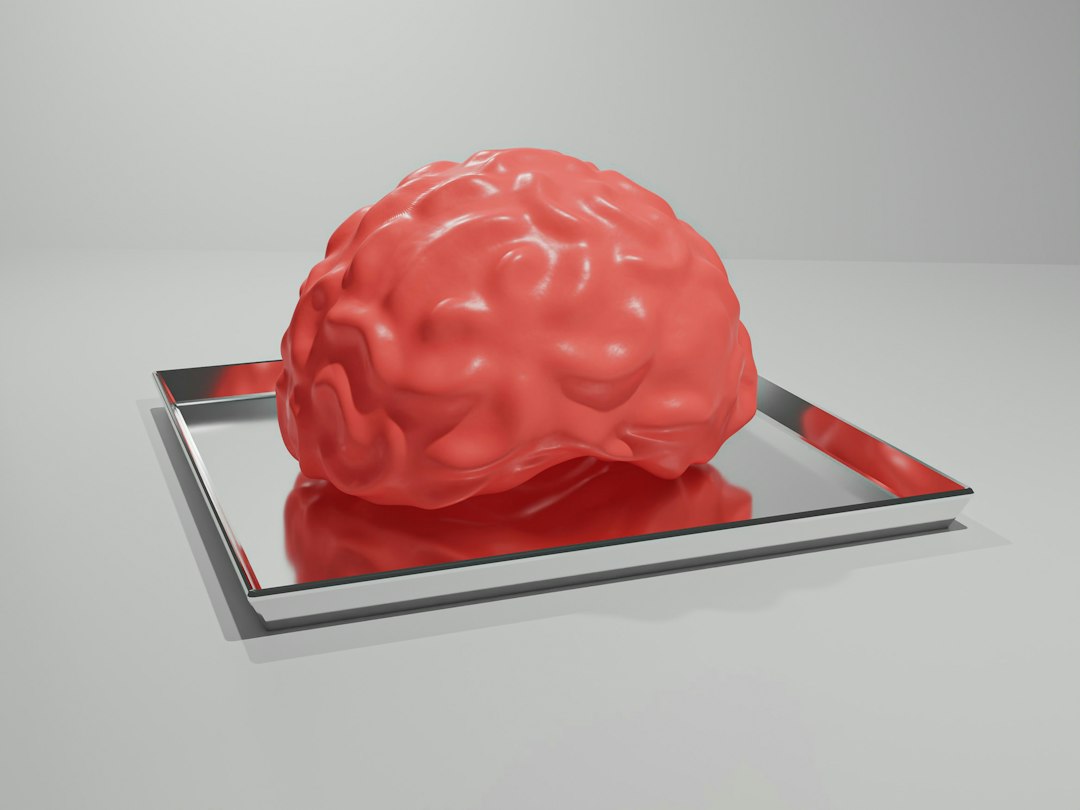
The tapestry of our lives is woven not just from experiences, but from the threads of what we believe we experienced. The gap between an event and its memory can be a vast chasm, filled with reconstruction, embellishment, and sometimes, outright fabrication. We often recall a story, a feeling, or an impression, rather than the raw, unfiltered reality of what transpired. This phenomenon is a fundamental aspect of human cognition, shaping our identities, influencing our decisions, and sometimes, even leading us astray.
The Malleability of Memory: A Constructive Process
Far from being a perfect recording device, the human memory is a dynamic and reconstructive system. When we retrieve a memory, we don’t simply pull up a fixed file; instead, we reconstruct it based on fragments of information, current knowledge, beliefs, and even our emotional state. This process is inherently susceptible to distortion, not always with malicious intent, but as a natural consequence of how our brains operate. The brain prioritizes coherence and meaning over absolute factual accuracy, often filling in gaps and smoothing over inconsistencies to create a more compelling narrative.
The Influence of Prior Knowledge and Schemas
Our existing knowledge and mental frameworks, known as schemas, play a significant role in shaping what we remember. When we encounter a new situation, our brains try to fit it into pre-existing categories and patterns. If an event deviates from our schema, we might subconsciously alter the memory to better align with our expectations. For instance, if you have a schema for a typical birthday party, your memory of a specific party might incorporate elements from that schema, even if they weren’t present at the actual event. This can lead to remembering details that should have been there, rather than what was there. Similarly, cultural narratives and shared societal understandings can influence our collective memories, leading to common misrememberings of historical events or cultural phenomena.
The Power of Suggestion and Misinformation
One of the most well-documented ways in which memory can be distorted is through suggestion and misinformation. Research by cognitive psychologist Elizabeth Loftus has famously demonstrated how leading questions can alter a witness’s memory of an event. For example, simply changing a verb in a question from “contacted” to “smashed” when asking about a car accident can significantly influence how fast witnesses estimate the cars were going and whether they remember seeing broken glass (even if there wasn’t any). This highlights the fragility of our recollections, particularly when exposed to external information that conflicts with or supplements our original experience. This isn’t just a phenomenon in legal settings; everyday conversations, news reports, and even fictional narratives can subtly implant false memories or alter existing ones.
In exploring the nuances of memory and how we often recall events differently than they occurred, an insightful article titled “How to Use Spaced Repetition in Competitive Memory” delves into techniques that can enhance our memory retention and recall abilities. This article complements the themes presented in “The Things We Remember Instead of What Happened,” as it provides practical strategies for improving memory through spaced repetition, a method that can help individuals better retain information over time. For more information, you can read the article here: How to Use Spaced Repetition in Competitive Memory.
Emotional Resonance and Memory Distortion

Emotions are deeply intertwined with memory. Highly emotional events, whether positive or negative, tend to be remembered more vividly, but not necessarily more accurately. The heightened emotional state at the time of an event can lead to a phenomenon known as “flashbulb memories,” which are vivid, detailed, and seemingly indelible recollections of significant public or personal events. While we feel confident in the accuracy of these memories, research has shown that even flashbulb memories can be prone to errors and change over time.
The Role of Stress and Trauma
Extreme stress and trauma can profoundly impact memory formation and retrieval. Traumatic memories are often fragmented, disorganized, and can be recalled involuntarily, leading to flashbacks. The brain’s response to trauma can interfere with the normal encoding process, leading to gaps in memory or a distorted perception of the event. Conversely, some individuals might experience repression, where traumatic memories are pushed out of conscious awareness, only to resurface later. The complex interplay between trauma, stress hormones, and brain regions involved in memory makes these recollections particularly susceptible to alteration and reconstruction over time, often making it difficult to distinguish between factual recall and the brain’s attempt to make sense of an overwhelming experience.
Mood-Congruent Memory
Our current emotional state can also influence what we remember. This is known as mood-congruent memory. When we are in a particular mood, we are more likely to recall memories that are consistent with that mood. For example, if you’re feeling sad, you might find yourself remembering more negative past experiences. Conversely, a joyful mood might trigger recollections of happy events. While this isn’t a direct distortion of a single event, it biases the selection of memories that come to mind, thus shaping our overall narrative of the past and influencing our perception of our own history. This can create a self-reinforcing cycle, where a negative mood reinforces negative memories, further deepening the current emotional state.
The Narrative Imperative: Crafting Our Personal Stories
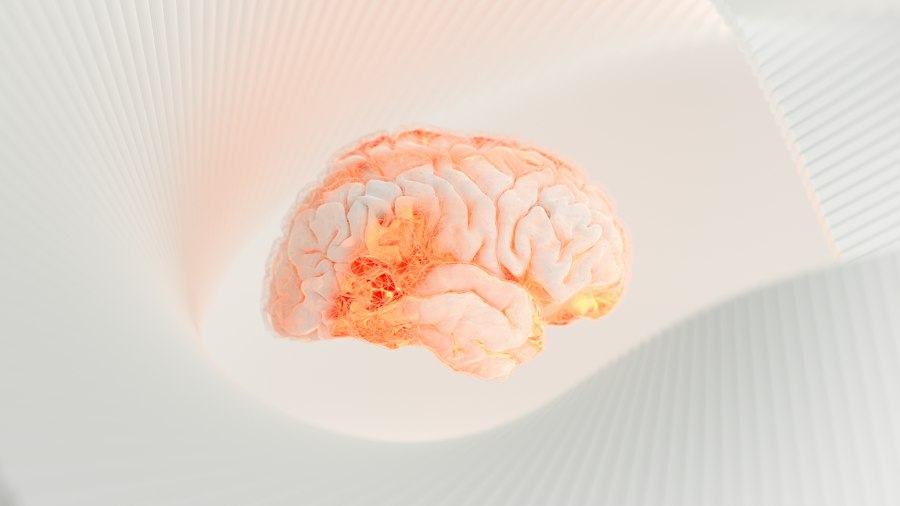
Humans are natural storytellers. We constantly construct narratives about our lives, our experiences, and our place in the world. Our memories are the raw material for these stories, but they are not simply recounted; they are curated, edited, and often embellished to fit the narrative we wish to tell ourselves and others. This “narrative imperative” can lead us to remember events in a way that is more coherent, more dramatic, or more flattering to our self-image.
Self-Serving Biases
One common form of memory distortion is the self-serving bias. We tend to remember our successes more vividly than our failures, and we often attribute positive outcomes to our own efforts while blaming external factors for negative ones. This bias helps to protect our self-esteem and maintain a positive self-perception. For example, you might remember a group project as a success primarily due to your contributions, while downplaying the efforts of others or your own mistakes. This isn’t always a conscious deception; it’s often a natural tendency to frame our past in the best possible light. Over time, these self-serving retellings can solidify into what we genuinely believe happened, further cementing a skewed perception of our own history.
The Role of Confabulation
Confabulation is a neurological phenomenon where individuals unintentionally create false memories without any intent to deceive. It’s often seen in individuals with certain brain injuries or neurological conditions, but elements of it can be observed in everyday memory as well. Confabulated memories are often vivid and detailed, and the person genuinely believes them to be true, even when confronted with contradictory evidence. This highlights the brain’s powerful drive to create a coherent narrative, even if it has to invent information to fill in the gaps. While extreme confabulation is a clinical symptom, the underlying psychological process – the brain’s active construction of a coherent story from incomplete data – is a common thread in how all of us remember.
Enhance your cognitive skills by exploring the techniques used by a Memory Athlete. Discover the secrets behind memorizing vast amounts of information effortlessly. Join the community of enthusiasts and become a Memory Athlete yourself.
Collective Memory and Shared Distortions
Memory isn’t solely an individual phenomenon; it’s also a collective one. Societies and groups share memories of historical events, cultural milestones, and communal experiences. However, collective memory is just as susceptible to distortion as individual memory, often influenced by political agendas, societal values, and the desire to maintain a particular group identity.
Historical Revisionism and Myth-Making
History is often written by the victors, and this adage holds true for how collective memory is shaped. Governments, educational institutions, and media outlets can influence what aspects of history are remembered, how they are interpreted, and which narratives are promoted. This can lead to historical revisionism, where past events are reinterpreted to fit current ideological frameworks, or to the creation of national myths that simplify complex histories into inspiring, but not always accurate, tales. For example, the way different nations remember wars or colonial periods can vary dramatically, reflecting their national interests and collective self-perception. These collective “memories” become ingrained in textbooks, monuments, and cultural narratives, shaping how generations understand their past.
Social Contagion of False Memories
Just as individual memories can be influenced by suggestion, false memories can also spread through social groups. If enough people believe and propagate a particular version of an event, even if it’s inaccurate, it can become part of the collective memory. This can happen through shared storytelling, media reports, or even simply through repeated exposure to a false narrative. The “Mandela Effect,” where a large group of people share a common false memory (e.g., remembering a movie quote incorrectly), is a modern example of this phenomenon, showcasing how readily collective memory can converge on an untruth. This highlights the powerful social construction of memory and how our recollections are not purely internal but are also shaped by the community around us.
In exploring the intricate relationship between memory and perception, the article “Using Memory for Creative Thinking” offers valuable insights that complement the themes presented in “The Things We Remember Instead of What Happened.” This piece delves into how our memories can influence not only our recollections of past events but also our creative processes. By examining the ways in which memory shapes our thoughts, it provides a deeper understanding of the subjective nature of our experiences. For more on this fascinating topic, you can read the full article here.
Implications and Navigating the Subjectivity of Memory
| Metric | Description | Value | Unit |
|---|---|---|---|
| Memory Accuracy | Percentage of events recalled correctly | 60 | % |
| Emotional Impact | Average emotional intensity of remembered events | 7.5 | Scale 1-10 |
| False Memory Rate | Percentage of recalled events that did not actually occur | 25 | % |
| Recall Delay | Average time between event and recall | 30 | Days |
| Memory Distortion | Degree of alteration from original event details | 40 | % |
Understanding the reconstructive nature of memory has profound implications across various domains, from personal relationships to legal proceedings and historical scholarship. Recognizing that what we remember isn’t always what happened can foster greater empathy, critical thinking, and a more nuanced understanding of ourselves and the world.
In Legal Settings: Eyewitness Testimony
The fallibility of eyewitness testimony is a critical concern in the justice system. While eyewitness accounts are often considered powerful evidence, research consistently demonstrates their susceptibility to error, particularly under stressful conditions or when exposed to leading questions. Understanding these limitations is crucial for preventing wrongful convictions and ensuring fair trials. Law enforcement and legal professionals increasingly employ techniques to minimize memory distortion, such as using open-ended questions and avoiding suggestive lineups. This awareness challenges the long-held belief that a confident witness is an accurate witness, shifting focus to the process of memory formation and retrieval.
In Personal Relationships: Conflicting Accounts
In personal relationships, differing memories of shared events can be a source of conflict and misunderstanding. Spouses, siblings, or friends might recall a past argument or a significant event in vastly different ways, each genuinely believing their version to be accurate. Recognizing that both parties might be recalling a reconstruction rather than a precise recording can help to de-escalate these conflicts. Instead of debating whose memory is “correct,” focusing on the emotional impact of the event and acknowledging the subjective nature of each person’s recollection can foster greater understanding and empathy. It allows for the possibility that both versions, while different, hold a kernel of truth for the individual experiencing them.
Cultivating Memory Awareness and Critical Thinking
Developing an awareness of how memory works – its strengths and its limitations – is essential for personal growth and critical thinking. Instead of blindly trusting every recollection, we can cultivate a healthy skepticism, asking ourselves questions like: “How might my current mood be influencing this memory?” or “Am I remembering the event itself, or a story I’ve told about it repeatedly?” This doesn’t mean distrusting our memories entirely, but rather approaching them with a nuanced understanding of their reconstructive nature. It encourages us to seek corroborating evidence, consider alternative perspectives, and be open to the possibility that our past isn’t as fixed as we might believe. This critical approach extends beyond personal memory, encouraging a more discerning view of historical narratives and collective accounts.
In conclusion, the journey through our past is not a journey through a perfectly preserved archive, but rather a dynamic landscape constantly reshaped by our present. The things we remember are often carefully curated narratives, imbued with emotion, shaped by our beliefs, and influenced by the world around us. Understanding this fundamental aspect of human cognition invites us to approach our own memories, and those of others, with a blend of curiosity, humility, and critical awareness.
To truly elevate your memory and cognitive performance, to move beyond merely recalling stories to mastering the art of recall, sharpening your focus, and unlocking your brain’s full potential, consider downloading Memory Athlete. This ultimate app offers scientifically-backed techniques and engaging exercises designed to train your brain to remember more accurately, efficiently, and effectively. It’s time to take control of your memory and transform your cognitive capabilities.
FAQs
What is the main focus of the article “The Things We Remember Instead of What Happened”?
The article explores the concept of memory and how our recollections can often differ from actual events. It discusses the psychological mechanisms behind memory formation and distortion, highlighting how emotions, biases, and external influences can shape what we remember.
How do emotions affect our memories according to the article?
The article explains that emotions play a significant role in memory retention and recall. Strong emotional experiences are more likely to be remembered vividly, while neutral events may fade from memory. This emotional impact can lead to selective memory, where we remember certain details while forgetting others.
What are some common factors that lead to distorted memories?
Common factors that contribute to distorted memories include the passage of time, misinformation, social influences, and personal biases. The article discusses how these elements can alter our perceptions of past events, leading to inaccuracies in what we believe we remember.
Can memory be influenced by external sources?
Yes, the article highlights that external sources, such as media, conversations, and even suggestions from others, can significantly influence our memories. This phenomenon, known as the misinformation effect, can lead individuals to incorporate incorrect details into their recollections.
What implications does the article suggest about the reliability of eyewitness testimony?
The article suggests that the reliability of eyewitness testimony can be compromised due to the malleability of memory. It emphasizes that since memories can be distorted by various factors, eyewitness accounts may not always be accurate, raising concerns about their use in legal contexts.





Leave a Reply