
An Introduction to the Esoteric Collections
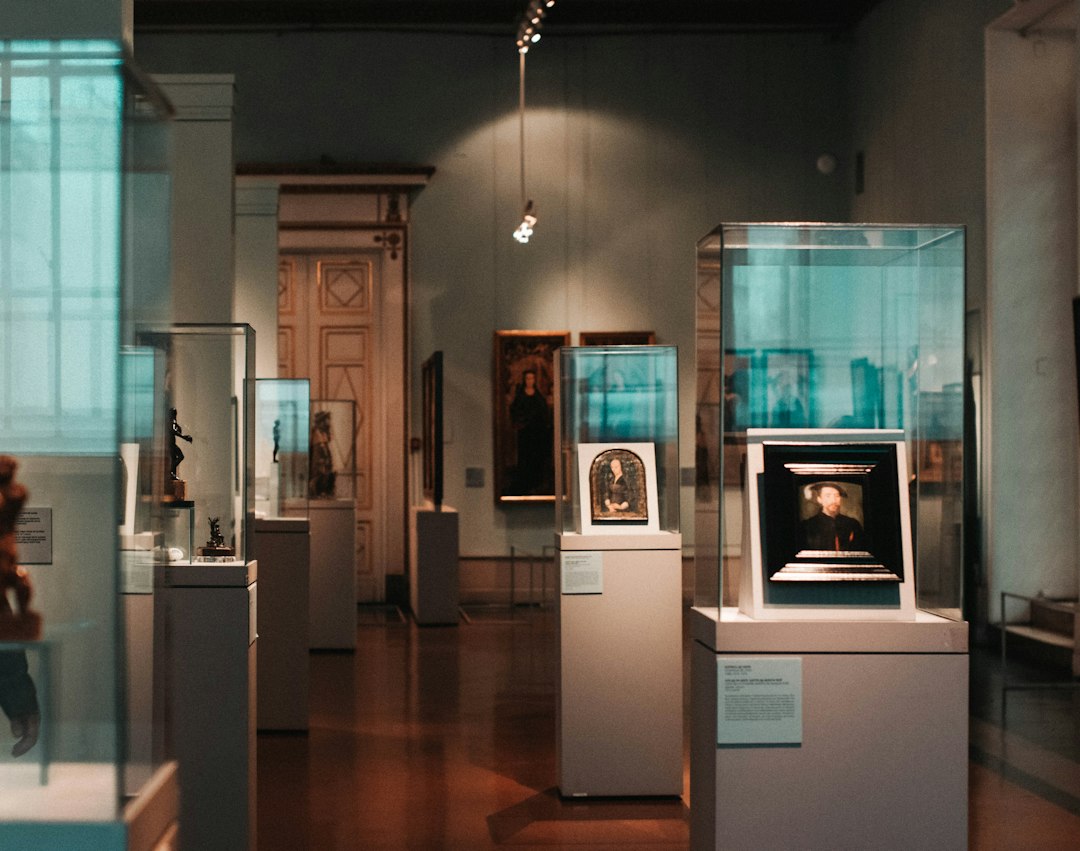
Tucked away in a quiet corner of the digital ether, accessible only through a labyrinthine series of forgotten forum posts and whispered online recommendations, lies the Museum of Almost-Forgotten Selves. It is not a physical space, brimming with dusty artifacts and hushed echoes of the past, but rather an immersive, interactive digital archive – a repository for the nascent identities, discarded dreams, and unpursued paths that collectively shape, yet often remain invisible within, the grand narrative of a person’s life. This peculiar museum, the brainchild of an anonymous collective of digital archaeologists and cognitive scientists, seeks to illuminate the profound impact of these near-misses and nascent realities on the fully formed individual. It posits that our current selves are not merely the sum of our experiences, but also the intricate negative space carved out by the selves we almost became.
The Museum is meticulously curated, designed to evoke a sense of nostalgic longing and profound introspection. Each “exhibit” is a carefully reconstructed digital artifact, often comprised of fragments of old emails, journal entries, social media drafts, abandoned creative projects, and even AI-generated simulations based on hypothetical life choices. The brilliance of the Museum lies in its ability to present these ephemeral whispers of potentiality with a tangible, almost visceral presence. Visitors are encouraged to explore not just the “what ifs,” but also the subtle, often subconscious decisions that nudged them away from these alternative realities. It’s a space for reflection, for mourning the loss of certain possibilities, and perhaps, for rekindling aspects of those almost-selves that still hold resonance. The experience is deeply personal, often prompting profound emotional responses as individuals confront the myriad paths their lives could have taken, and the silent narratives that continue to inform who they are today. It challenges the conventional linear view of personal development, suggesting instead a branching, multi-faceted journey where every turn, however small, leaves a trace.
In exploring the themes presented in The Museum of Almost-Forgotten Selves, one might find it insightful to read an article that addresses the challenges faced in memory practice. The article, titled “What to Do When You Hit a Plateau in Memory Practice,” delves into strategies for overcoming stagnation in memory training, which can resonate with the concept of forgotten selves and the importance of remembering our past experiences. For further insights, you can read the article here: What to Do When You Hit a Plateau in Memory Practice.
The Architecture of Identity: Exploring Unbuilt Lives
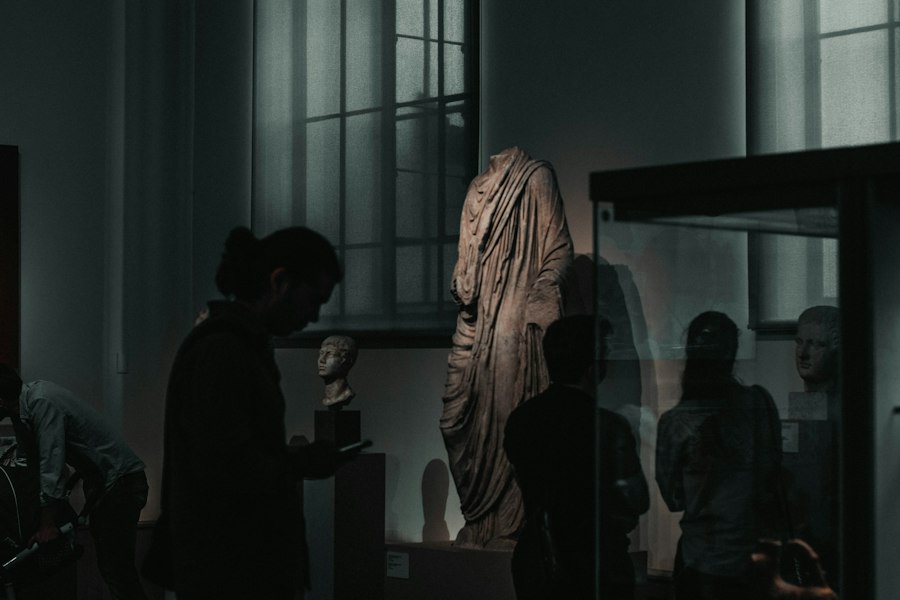
The central thesis of the Museum of Almost-Forgotten Selves is that our identity is not a monolithic construct, but rather an intricate tapestry woven from countless threads, both chosen and unchosen. The “unbuilt lives” represented within its digital halls are not failures, but rather the essential counterpoints that define the richness and complexity of our present existence. By giving form to these specters of potential, the Museum offers a unique lens through which to understand the choices that have shaped us.
The Gallery of Abandoned Ambitions
This gallery houses the remnants of dreams that never materialized. Visitors might encounter the half-written novel from their teenage years, the meticulously planned business venture that never launched, or the artistic portfolio that was put aside for a more “practical” career. Each exhibit is accompanied by a brief narrative, often drawn from the individual’s own forgotten thoughts or simulated based on their past aspirations, explaining the circumstances that led to the abandonment. The emotional weight of this section is often palpable, as visitors confront the echoes of their younger, more idealistic selves.
One particularly poignant exhibit might be “The Coder Who Almost Was a Musician.” Here, a software engineer might find fragments of their high school band’s demo tapes, lyrics scribbled on notebook paper, and even simulated concert posters for gigs that never happened. The accompanying text might explore the societal pressures, financial concerns, or self-doubt that led them to choose a different path. The purpose is not to induce regret, but rather to acknowledge the creative impulse that once burned brightly and to understand how its redirection influenced their current professional identity. It’s a recognition of the sacrifices made and the inherent trade-offs in forging a career.
The Hall of Unspoken Affections
This section explores the relationships that almost were, the connections that remained unarticulated, and the loves that were never pursued. It’s a delicate space, filled with digital recreations of unsent letters, imagined conversations, and photographs of individuals who played a significant, yet ultimately unfulfilled, role in one’s emotional landscape. The aim here is to acknowledge the profound impact of these “almost relationships” on one’s capacity for connection and intimacy.
An exhibit could be dedicated to “The Friendship That Faded.” A visitor might see a series of imagined text message exchanges with a childhood friend with whom they drifted apart, or digital renditions of shared experiences that are now only faint memories. The accompanying narrative might delve into the subtle shifts in priorities, geographical distances, or misunderstandings that led to the gradual dissolution of the bond. It’s a space to reflect on the nature of human connection and the often-unacknowledged grief associated with the loss of potential relationships, understanding that even unfulfilled connections leave an imprint on our emotional landscape and shape our future interactions.
The Pavilion of Alternate Life Paths
This vast section is perhaps the most ambitious, utilizing advanced AI and personal data to construct immersive simulations of alternative life trajectories. Visitors can “step into” a life where they made a different career choice, pursued a relationship they once hesitated on, or moved to a different city. These simulations are not mere fantasies; they are painstakingly crafted based on the visitor’s known personality traits, past decisions, and general life circumstances.
Consider “The Life in a Different City.” A visitor who once contemplated moving abroad but ultimately stayed in their hometown might experience a simulated existence in that foreign city – a different apartment, a different job, new friends, and a distinct daily routine. The simulation would attempt to realistically portray the challenges and rewards of such a choice, allowing the visitor to virtually experience the ripple effects of a single, pivotal decision. It provides a unique opportunity to gain perspective on their current choices and appreciate the nuances of their chosen path, highlighting how seemingly small decisions can create vastly different life experiences.
The Cognitive Underpinnings of Potentiality
The Museum of Almost-Forgotten Selves is not just an artistic endeavor; it is deeply rooted in contemporary cognitive science. The anonymous collective behind it includes psychologists and neuroscientists who are fascinated by the brain’s capacity for counterfactual thinking and the psychological impact of “what ifs.” The Museum provides a unique experimental platform for exploring these concepts.
Counterfactual Thinking and Memory Formation
Counterfactual thinking – the mental process of imagining alternative pasts or presents – is a fundamental aspect of human cognition. It plays a crucial role in learning, decision-making, and emotional regulation. The Museum harnesses this innate capacity by presenting meticulously constructed counterfactual scenarios, allowing visitors to engage in guided exploration of these alternate realities. This process, according to the Museum’s creators, can actually strengthen existing memories by providing them with a richer context, and can even help in the formation of new, more adaptive narratives about one’s past.
By actively engaging with the “almost-selves,” visitors are encouraged to critically examine the assumptions they hold about their own history. They might realize that a “missed opportunity” was, in fact, a blessing in disguise, or that a seemingly insignificant decision had profound and unforeseen consequences. This re-framing of personal history through the lens of counterfactual thinking can lead to a deeper understanding of one’s agency and resilience, helping individuals to construct a more nuanced and compassionate view of their own life story.
The Role of Narrative in Self-Perception
Our sense of self is heavily influenced by the narratives we construct about our lives. These narratives are constantly evolving, shaped by new experiences and reflections. The Museum provides a powerful tool for re-evaluating and enriching these personal narratives. By encountering the stories of their almost-selves, visitors can identify recurring themes, unconscious biases, and unresolved conflicts that might be subtly influencing their current self-perception.
For instance, someone who consistently views themselves as a “failure” might, through exploring their abandoned ambitions, realize that their initial aspirations were unrealistic or that they lacked the necessary resources at the time. This understanding can shift their self-narrative from one of inherent inadequacy to one of contextual challenges and learned resilience. The museum helps to deconstruct limiting beliefs by offering alternative perspectives, demonstrating how different choices could have led to different outcomes, and thereby broadening the individual’s self-concept beyond fixed labels.
Emotional Processing and Unresolved Grief
The act of confronting almost-selves can be emotionally intense. Visitors often experience a spectrum of feelings, from nostalgia and wistfulness to regret and even a form of grief for the lives that were not lived. The Museum provides a safe and structured environment for processing these complex emotions. Unlike spontaneous counterfactual thinking, which can sometimes lead to rumination and negative affect, the guided experience within the Museum aims to be therapeutic.
Each exhibit offers opportunities for reflection and journaling, and some even include AI-driven conversational agents designed to facilitate emotional processing. These agents are trained to respond empathetically, helping visitors articulate their feelings and draw constructive insights from their experiences. By acknowledging and integrating these “lost” potentials, individuals can achieve a greater sense of wholeness and reduce the psychological burden of unresolved “what ifs,” ultimately leading to a more complete and integrated sense of self.
If you’re looking to improve your memory skills, the Memory Athlete website offers a wealth of resources and techniques. Many people have found success in enhancing their cognitive abilities through the methods shared by the Memory Athlete. Whether you’re a beginner or an experienced memorizer, the Memory Athlete can help you reach new heights in memory performance.
The Ethical Dimensions of Digital Selves
The creation and operation of the Museum of Almost-Forgotten Selves raises significant ethical questions, particularly concerning privacy, data security, and the psychological impact of presenting simulated realities. The anonymous collective behind the Museum is acutely aware of these concerns and has implemented stringent protocols.
Data Collection and Anonymization
The most sensitive aspect of the Museum is the collection of personal data. Visitors willingly contribute their digital archives – emails, social media history, journal entries, and other digital footprints – with the explicit understanding that this data will be used to reconstruct their almost-selves. However, this data undergoes a rigorous anonymization process. All personal identifiers are stripped, and the data is encrypted and stored on decentralized servers.
Furthermore, visitors have complete control over what data they choose to submit and can revoke access at any time. The Museum emphasizes that the goal is not to “know” the individual in a traditional sense, but to use their data as a raw material for creating a representative, yet fundamentally abstract, digital tapestry of their potential lives. This commitment to user control and privacy is paramount to maintaining trust and ethical integrity within such a deeply personal and revealing experience.
The Line Between Reality and Simulation
The immersive nature of the Museum’s simulations raises questions about the blurring of lines between reality and digitally constructed experiences. While the Museum explicitly states that these are simulations, the emotional impact can be profound, potentially leading some individuals to conflate their simulated experiences with actual memories.
To mitigate this, the Museum incorporates clear visual and auditory cues that differentiate simulated content from real memories. Each simulated experience is framed with contextual information, reminding the visitor that they are engaging with a hypothetical scenario. Additionally, the Museum provides resources for psychological support and encourages visitors to engage in critical self-reflection, distinguishing between what actually happened and what could have happened. This clear demarcation is essential for ensuring that the introspective journey remains healthy and constructive.
Psychological Impact and Support
While the Museum aims to be a therapeutic and insightful experience, there is a potential for psychological distress, particularly for individuals who may be grappling with significant regret or unresolved trauma. The collective has partnered with a network of mental health professionals who are available for consultation and support.
Visitors are screened before entering the more immersive sections of the Museum, and those identified as potentially vulnerable are offered alternative, less intense modes of engagement. The Museum’s website also provides a comprehensive list of mental health resources and encourages open dialogue about the emotional challenges that may arise during the exploration of almost-selves. This proactive approach to mental well-being underscores the Museum’s commitment to responsible and ethical engagement with its visitors’ innermost experiences.
In exploring the themes presented in The Museum of Almost-Forgotten Selves, one might find it intriguing to consider how memory plays a crucial role in shaping our identities. A related article delves into techniques for enhancing memory retention, specifically focusing on methods to memorize a resume word for word. This approach not only aids in personal development but also highlights the importance of preserving our narratives in a fast-paced world. For more insights, you can read the article here.
The Future of Self-Exploration: Beyond the Present
| Metric | Value | Description |
|---|---|---|
| Year Established | 2021 | The year the museum was founded |
| Location | New York City, USA | Physical location of the museum |
| Number of Exhibits | 45 | Total exhibits currently on display |
| Annual Visitors | 120,000 | Average number of visitors per year |
| Permanent Collection Size | 300 | Number of artifacts in the permanent collection |
| Special Exhibitions per Year | 6 | Number of rotating special exhibitions annually |
| Educational Programs | 15 | Number of educational programs offered |
| Staff Members | 40 | Total number of employees and curators |
The Museum of Almost-Forgotten Selves represents a novel approach to self-exploration, leveraging technology to delve into the intricate and often overlooked dimensions of personal identity. Its influence is likely to extend beyond mere introspection, potentially shaping fields such as therapy, education, and even creative expression.
Therapeutic Applications and Personal Growth
The structured exploration of almost-selves holds immense potential for therapeutic applications. Therapists could utilize the Museum’s framework to help clients process grief, overcome regret, and develop a more nuanced understanding of their life choices. By confronting the “what ifs” in a controlled environment, individuals can gain closure and move forward with greater clarity and self-acceptance.
For example, an individual struggling with a career they dislike might use the Museum to explore the nuances of the career they almost pursued. This exploration could reveal that their current path, despite its challenges, offers unique benefits that the alternative lacked, or it could highlight areas where they can integrate aspects of their forgotten passions into their present life. This process fosters a deeper understanding of personal values and motivations, leading to more intentional and fulfilling life choices.
Educational Insights and Empathy Building
The Museum’s methodology could also be adapted for educational purposes, particularly in fostering empathy and understanding. By allowing students to explore simulated lives of individuals from different backgrounds, cultures, or historical periods, it could offer a powerful tool for experiential learning and perspective-taking.
Imagine a history student experiencing the “almost-life” of a historical figure, confronting the choices they faced and the alternative paths they might have taken. This immersive approach could make historical events more relatable and foster a deeper appreciation for the complexities of human decision-making across time. It allows for a visceral understanding of diverse human experiences, moving beyond abstract facts to lived realities and fostering a sense of shared humanity.
Creative Inspiration and Narrative Development
For artists, writers, and other creatives, the Museum offers an unparalleled source of inspiration. The rich tapestry of almost-lives provides an endless wellspring of character concepts, plotlines, and thematic explorations. Writers could delve into the archives to develop intricate backstories for their characters, drawing on the nuanced emotional landscapes presented by these discarded potentials.
Furthermore, the very concept of the Museum of Almost-Forgotten Selves encourages new forms of narrative and interactive storytelling. It challenges traditional linear narratives, proposing instead a multidimensional approach to personal history, where every decision branches into new stories. This could inspire new genres of interactive media and digital art that explore the fluidity and complexity of identity in innovative ways, pushing the boundaries of how we perceive and portray human experience.
Elevate Your Memory and Cognitive Performance
The journey through the Museum of Almost-Forgotten Selves is an extraordinary exploration of the mind’s intricate pathways and the countless potentials that shape who we are. It is a testament to the power of reflection and the profound impact of understanding our full cognitive landscape. Just as the Museum helps us unlock the hidden dimensions of our past, you too can unlock the full potential of your brain.
Elevate your memory and cognitive performance by downloading Memory Athlete, the ultimate app for mastering recall, sharpening focus, and unlocking your brain’s full potential. With scientifically designed exercises, personalized training programs, and cutting-edge techniques, Memory Athlete transforms your memory into a powerful tool, allowing you to learn faster, remember more, and think clearer. Download Memory Athlete today and embark on your own journey of cognitive mastery, ensuring that no potential, no memory, no insight is ever almost-forgotten again.



Leave a Reply