

The echoes of our past selves resonate differently in the minds of others. We curate our present, meticulously constructing the persona we wish to project, yet scattered throughout the memories of friends, family, colleagues, and even fleeting acquaintances are countless iterations of who we once were – versions that we ourselves may have forgotten, dismissed, or actively worked to shed. These remembered selves are not merely historical records; they are living testaments to the impact we’ve had, the impressions we’ve left, and the subtle ways our identity is constantly being shaped and reshaped by the external gaze.
The Mosaic of Other People’s Perspectives
Our personal narrative is often a singular, streamlined story, focusing on key milestones, significant changes, and the steady progression towards our current self. However, the external world holds a far more fragmented, yet paradoxically richer, collection of narratives about us. Each person we interact with acts as a unique lens, filtering our actions, words, and appearance through their own experiences, biases, and emotional states. The sum of these individual perspectives forms a vast, intricate mosaic, revealing aspects of our personality and history that our introspective gaze might never capture.
The Childhood Ghost
Think back to your childhood. The boisterous, unfiltered kid who chased fireflies, or the shy, bookish child tucked away in a corner. While you might recall fragments, the most vivid and complete picture often resides in the memories of your parents, older siblings, or long-lost childhood friends. They remember the irrational fears, the boundless joys, the early quirks that defined you before societal expectations began to smooth out the rough edges. For them, that child isn’t just a distant memory; it’s a foundational layer upon which their understanding of your adult self is built. They might still see glimmers of that innocent, unburdened self in your current demeanor, even if you’ve long since forgotten her. These ‘childhood ghosts’ can surface unexpectedly – a parent commenting, “You still do that same thing you did when you were five!” – bridging decades with a single observation.
The Teenage Rebellion Recalled
The angst-ridden, identity-searching teenager is another version of ourselves often more clearly defined in others’ memories than our own. We remember the intensity of our feelings, the desire for independence, and perhaps the moments of rebellion. But our friends from that era might recall the specific arguments, the fashion choices we’d rather forget, the dramatic declarations, or the vulnerabilities we attempted to hide. They saw the confusion, the bravado, and the genuine striving to find our place. These recollections can be both humorous and poignant, reminding us of the tumultuous journey through adolescence and the formative experiences that shaped our values and perspectives. A high school friend might remember your passionate defense of a seemingly trivial cause, a memory that highlights an early spark of your adult conviction.
The Persona of the Past Workplace
Professional environments are particularly fertile ground for generating distinct versions of ourselves. The ambitious newcomer, the burnt-out middle manager, the collaborative team player, the silent observer – each role and context shapes how we are perceived. Colleagues from a previous job might remember a version of you intensely focused on a particular project, or struggling with a specific challenge, a version that you may have moved far beyond. These past professional selves are often defined by the pressures, successes, and failures of that particular role. They are snapshots of our capabilities and contributions within a specific framework, and sometimes, those snapshots contain insights into our working style or character that we ourselves overlook. A former boss might remember your tenacious problem-solving skills from a decade ago, skills you’ve since honed but might not actively associate with your current self.
In exploring the concept of how our identities are shaped by the perceptions of others, a related article titled “10 Fun Brain Games to Boost Your Memory” offers intriguing insights into the mechanics of memory and recall. This piece discusses various engaging activities that can enhance cognitive function and memory retention, which may influence how we are remembered by others. For those interested in understanding the interplay between memory and identity, this article can be found at 10 Fun Brain Games to Boost Your Memory.
The Disconnect Between Self-Perception and External Memory
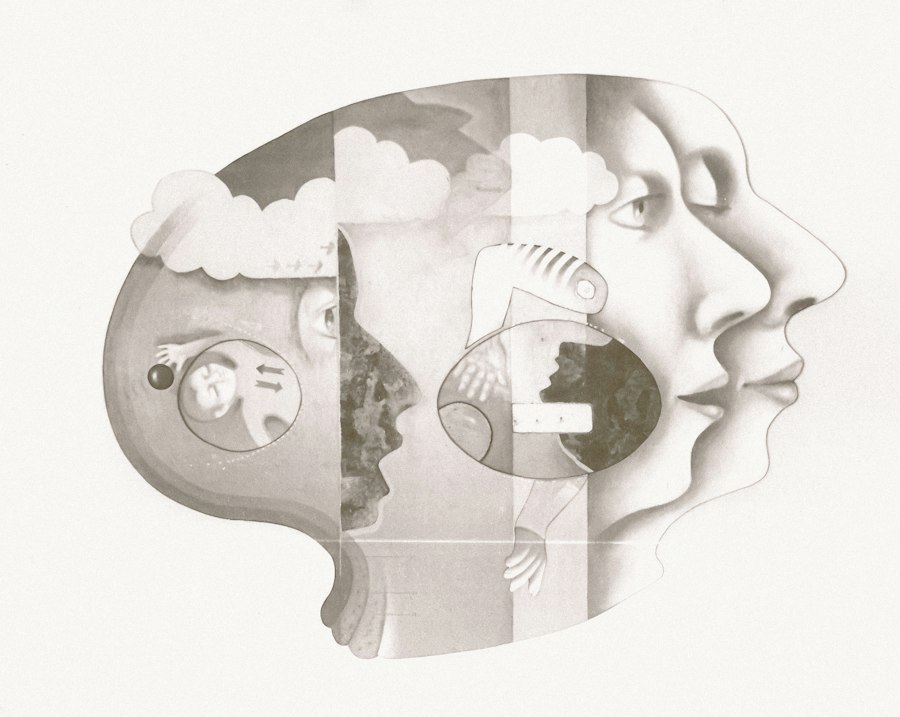
One of the most fascinating aspects of these externally held memories is the potential for significant divergence from our own self-perception. We are, by nature, constantly editing our personal narrative. We highlight achievements, downplay failures, and often reconstruct events to fit our current understanding of who we are. Other people, however, retain a less edited, more raw account.
The Unflattering Echoes
Sometimes, the versions of ourselves that others remember are less flattering than we’d like. They might recall moments of immaturity, insecurity, or selfishness that we’ve long since tried to bury. A forgotten awkward phase, a moment of regrettable anger, or a period of misguided ambition can linger in the minds of those who witnessed it. While these memories can sometimes be uncomfortable, they also serve as valuable reminders of our growth. They provide a tangible measure of how far we’ve come and the lessons we’ve learned. Encountering these ‘unflattering echoes’ can be a humbling experience, forcing us to acknowledge past imperfections and appreciate our personal evolution.
The Unseen Strengths
Conversely, others might remember strengths or positive qualities that we ourselves tend to overlook or take for granted. Perhaps a friend remembers your unwavering support during a difficult time, or a former colleague recalls your quiet determination in the face of adversity. These are the unsung virtues, the consistent positive traits that might not make it into our own highlight reel but are deeply valued and remembered by others. They offer a powerful external validation of our character, reminding us of the positive impact we’ve had, even when we’re not consciously aware of it. These ‘unseen strengths’ often emerge in conversations where someone recounts a specific moment of your kindness or resilience, catching you by surprise.
The Chameleon Effect
Humans are inherently adaptable, capable of shifting aspects of their personality depending on the social context. We might be boisterous with one group of friends, contemplative with another, and professional at work. This “chameleon effect” means that different people genuinely encounter and remember distinct facets of our personality. The reserved side your colleagues know might be completely unknown to your closest family, who only see your playful, uninhibited self. This isn’t necessarily inauthenticity; it’s a reflection of the multifaceted nature of human identity. The challenge, and the beauty, lies in recognizing that all these versions are authentically “you,” just expressed differently.
The Power and Peril of External Narratives

The versions of us that exist in others’ minds carry both significant power and potential peril. They can shape reputations, influence future interactions, and even alter our own self-perception.
Shaping Reputations and Opportunities
The collective memory of others forms our reputation. A consistent narrative of reliability, creativity, or kindness can open doors, while a recurring memory of negativity or unreliability can close them. These external narratives often precede us, influencing how new people interact with us before they’ve even formed their own opinion. Think of job references, social introductions, or even online reviews – these are all manifestations of how others remember and characterize us, and they directly impact our future. A glowing recommendation from a past mentor, rooted in their memory of your earlier work, can be instrumental in securing a new opportunity.
The Imprint of First Impressions
First impressions are incredibly potent and tend to be sticky. The version of you someone met for the very first time often becomes the foundational layer of their memory. Subsequent interactions may refine it, but the initial imprint can be remarkably durable. This is why managing first impressions is often emphasized; it’s about establishing the initial version of yourself that will reside in someone else’s memory. Whether it’s a first date, a job interview, or a new social gathering, that initial encounter creates a lasting snapshot.
The Struggle Against Outdated Versions
Perhaps one of the greatest challenges is confronting an outdated version of ourselves held by someone who hasn’t seen our growth. A friend from college might still see you as the same person you were at 20, even if you’ve matured considerably since then. A family member might cling to a childhood image, overlooking your adult accomplishments. This can be frustrating, as it forces us to constantly re-establish our current identity, sometimes feeling as though we are arguing against a ghost. The struggle lies in wanting to be seen for who we are now, while acknowledging that their memory, however outdated, is still a genuine part of our historical tapestry.
To improve your memory skills, consider learning from a Memory Athlete. They use techniques that can help you remember information more effectively. By following their methods, you can enhance your cognitive abilities significantly.
Reconciling the Selves: Bridging the Gaps
Understanding that multiple versions of us exist in the world can be a profound, sometimes disorienting, realization. The key is not to erase these versions, but to reconcile them with our present self and integrate the insights they offer.
Embracing the Imperfection of Memory
It’s crucial to remember that human memory is fallible and subjective. Others’ memories of us are not objective truths but rather interpretations, colored by their own experiences and feelings. They might misremember details, overemphasize certain traits, or project their own emotions onto past interactions. Understanding this helps us to detach from the need to perfectly align all external memories with our internal narrative. We can acknowledge them as valid perspectives without needing them to be perfectly accurate. This acceptance allows for a more forgiving view of both ourselves and those who remember us.
Learning from the Mirror of Others
Despite their potential imperfections, the versions of ourselves held by others offer invaluable insights. They act as mirrors, reflecting back aspects of our personality, our impact, and our growth that we might otherwise miss.
Identifying Growth and Change
By hearing how others remember us from different periods, we can concretely trace our own development. “You used to be so shy, I can’t believe how confident you are now!” is a testament to personal growth. These external observations provide powerful evidence of our evolution, reinforcing the journey we’ve undertaken. They validate the effort we’ve put into becoming the person we are today.
Understanding Our Impact
How others remember us directly correlates with the impact we’ve had on their lives. A friend remembering a moment of profound support, or a former student recalling an inspiring lesson, highlights the positive influence we’ve exerted. Conversely, if someone remembers a negative interaction, it offers an opportunity for reflection on our past actions and how we might have inadvertently caused harm. This helps us to understand the ripple effect of our presence in the world.
Recognizing Unseen Traits
Sometimes, someone will remember a quality in you that you barely recognize in yourself. “You’ve always been incredibly resilient” might be a comment that causes you to pause and re-evaluate your self-perception. These observations can reveal hidden strengths or consistent character traits that we’ve taken for granted or simply haven’t prioritized in our own self-assessment. They can be empowering and help us to integrate previously unrecognized aspects of our identity.
Actively Shaping Future Memories
While we cannot erase past versions, we can actively work to create new, positive memories that will shape how others perceive us going forward. This involves mindful behavior, consistent values, and genuine interactions. Every new encounter is an opportunity to present the version of ourselves we aspire to be, building upon the past while continuously evolving. We don’t have to be slaves to our past selves in others’ minds; we can consistently reinforce our current identity through our actions.
In exploring the complexities of identity and memory, one might find it intriguing to consider how our perceptions of ourselves differ from how others remember us. This theme resonates with the insights presented in the article about the challenges of memorizing English irregular verbs, which highlights the nuances of memory and learning. For a deeper understanding of how memory shapes our experiences, you can read more in this fascinating article.
The Enduring Self and the Fluidity of Identity
| Version | Description | Common Context | Memory Retention Rate (%) | Emotional Impact |
|---|---|---|---|---|
| Childhood You | The innocent, playful version known for early dreams and imagination. | Family gatherings, old friends, schoolmates | 75 | High nostalgia, warmth |
| High School You | The socially evolving version, often remembered for awkwardness or popularity. | Class reunions, social media, former classmates | 65 | Mixed emotions: embarrassment and pride |
| College You | The exploratory and independent version, often associated with growth and change. | University friends, professors, roommates | 60 | Reflection and inspiration |
| Workplace You | The professional and responsible version, known for achievements and challenges. | Colleagues, supervisors, clients | 70 | Respect and pressure |
| Social Media You | The curated and often idealized version presented online. | Followers, acquaintances, online communities | 50 | Admiration and skepticism |
| Family You | The caring and intimate version seen by close relatives. | Parents, siblings, extended family | 80 | Love and accountability |
Ultimately, the phenomenon of “the versions of you that only other people remember” speaks to the complex, multi-layered nature of human identity. There is an enduring core self – our fundamental values, beliefs, and spirit – but around this core, our identity is incredibly fluid, constantly adapting, learning, and expressing itself in myriad ways. The memories of others serve as a vast, collective archive of these transient expressions, a testament to the journey of becoming.
Embracing this understanding means letting go of the need for a perfectly monolithic self. It means appreciating the diverse tapestry of experiences and interactions that have woven us into who we are. It means recognizing that our past selves, however embarrassing or triumphant, are integral to our present. They are the foundations upon which our current identity stands, remembered by others as vivid, living parts of our shared history.
In acknowledging these external versions, we gain a more complete, nuanced, and ultimately richer understanding of ourselves – not just who we believe we are, but who we have been, and how that legacy continues to shape our interactions with the world. It’s a powerful reminder that our story is never truly our own; it’s a collaborative narrative, co-authored by every person whose life we’ve touched, leaving behind an indelible mark in the landscape of their memory.
As you reflect on these intricate layers of self, consider how much more vibrant and capable your mind can be. Don’t let precious memories fade or potential go untapped. It’s time to take control of your cognitive journey. Elevate your memory and cognitive performance by downloading Memory Athlete, the ultimate app for mastering recall, sharpening focus, and unlocking your brain’s full potential. With cutting-edge techniques, personalized training, and engaging exercises, Memory Athlete is your essential tool for remembering every version of yourself, and forging an even more brilliant future. Download Memory Athlete today and start your journey to a sharper, more powerful mind!
FAQs
What does it mean to have versions of yourself that only other people remember?
Having versions of yourself that only other people remember refers to the different ways you may have behaved, interacted, or presented yourself in the past that have left an impression on others, even if you may not remember or identify with those specific instances.
How can other people’s memories of us shape our self-perception?
Other people’s memories of us can shape our self-perception by providing insight into how we have been perceived and remembered by others, which can influence how we view ourselves and our past actions.
Is it possible for the versions of ourselves that others remember to differ from our own self-perception?
Yes, it is possible for the versions of ourselves that others remember to differ from our own self-perception. People may remember us in ways that we do not recognize or remember ourselves, highlighting the subjective nature of memory and perception.
Can reflecting on the versions of ourselves that others remember be beneficial for personal growth?
Reflecting on the versions of ourselves that others remember can be beneficial for personal growth as it allows us to gain insight into how our actions and behaviors have impacted others, providing an opportunity for self-reflection and potential areas for improvement.
How can we reconcile the different versions of ourselves that exist in our own memories versus those remembered by others?
Reconciling the different versions of ourselves that exist in our own memories versus those remembered by others involves acknowledging the subjective nature of memory and perception, understanding that multiple versions of ourselves can coexist, and striving to align our self-perception with how we wish to be remembered by others.




Leave a Reply